The eCommerce sector has undergone massive changes over the past few years. Many of them can be attributed to big data.
As this trend continues it will become even more important that large companies, small businesses, and individual entrepreneurs take the time to embrace big data to provide better payment solutions, improve fulfillment and choose the best web hosting companies as the foundation for their website. It is important the host they choose have the ability to offer the utmost security and be able to handle the most important innovations to establish and maintain a competitive edge.
Big Data Makes Online Payment
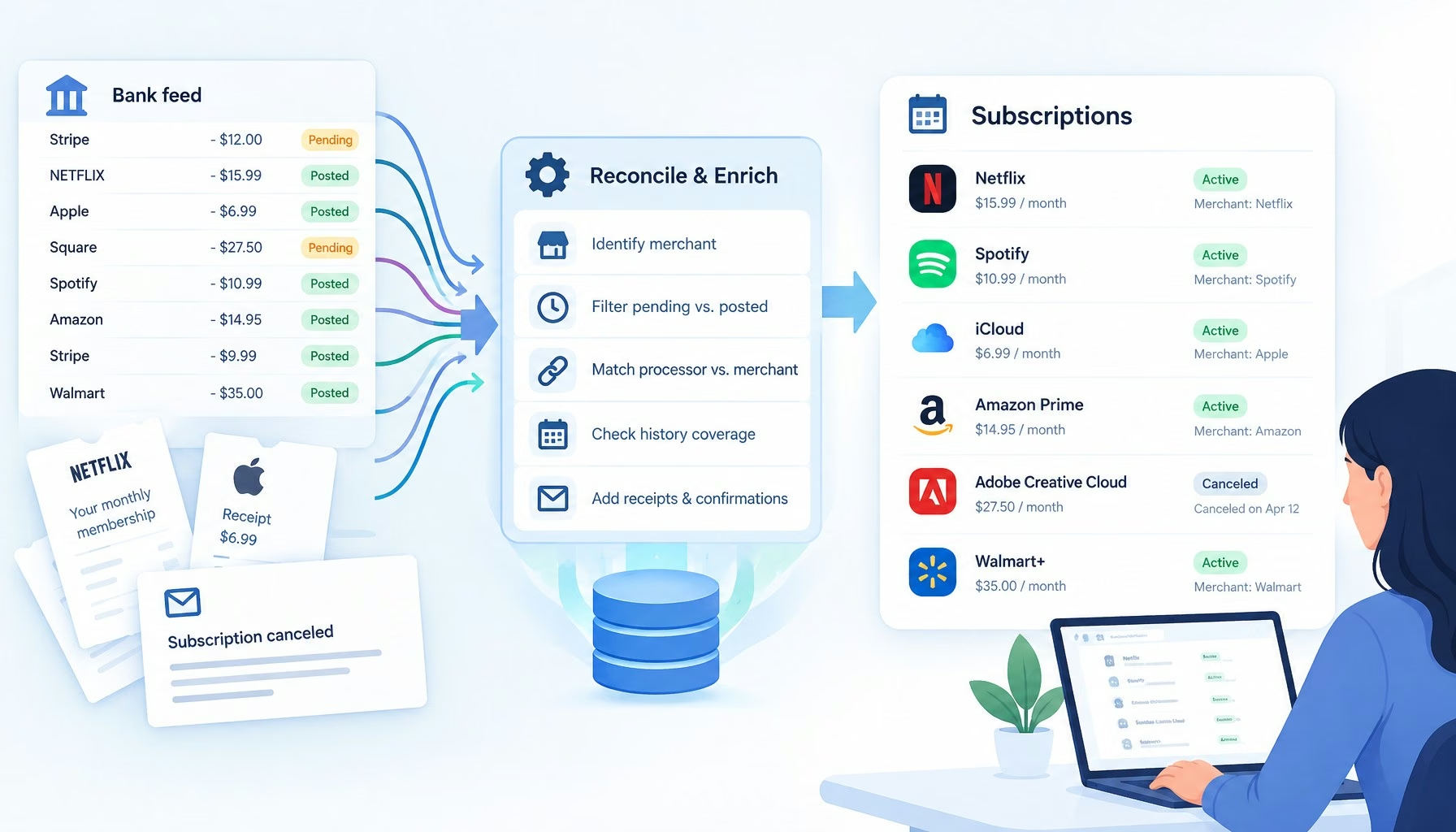
Over the couple of years, a growing number of payment providers have started to embrace big data. DeZyre posted a great infographic showing that big data has transformed PayPal’s service model.
The ability to easily and securely take payments online was a game changer in creating a viable digital workspace. This was once a serious barrier to online consumer development because of the complexity and expense of setting up payment systems. Institutions such as PayPal and Stripe have leveled the playing field and allow entrepreneurs and businesses of all sizes to easily provide electronic payment options for their customers. They also provide consumers with a sense of security that their payment information will not be used inappropriately.
More Read

More recently, other companies have begun making payment options even easier by offering payments through apps. Facebook, Viber, and many other messenger apps now allow people to pay directly through a preferred communication medium and forgo the necessity of a website or online storefront.
Big Data Drives Mobile Commerce
The power of smartphones cannot be overstated when it comes to the future of online businesses. In 2016, mobile internet usage surpassed that of desktop for the first time in history. This trend is expected to continue and at some point, in the not too distant future, desktop access may be a relic of the past.
None of this would be possible without big data. Since brands can aggregate data from multiple sources, they have started tapping mobile technology to learn more about their customers.
Google is well aware of this trend and has been actively changing the ranking algorithms to reflect increased mobile use. When the search engine is used from a mobile device the results are slightly different than when accessed on a desktop. Preference is given to those sites which are responsive and mobile friendly. Companies that have not updated their websites to reflect the new reality of increased mobile use will see an increasing decline in traffic.
For online businesses to remain competitive in the mobile online marketplace, they will need to rethink the way they design their sites and how they offer services. This is a challenge which is still in the early stages of being figured out and will continue to evolve as Google refines their ranking methodology.
Bending Reality
There are several new technologies which will have a significant impact on the future of online businesses. Three of the most impactful are the development of artificial intelligence, augmented reality, and virtual reality.
Artificial intelligence and augmented reality have already been rolled out and are being effectively used by many online businesses. The artificial intelligence framework is responsible for much of the chat bot development that allows businesses to have a responsive conversation with consumers with a simple app rather than a full time staff. Augmented reality hasn’t been fully integrated but many companies are beginning to offer features in store using this technology such as apps that alert consumers to nearby deals in their favorite stores.
Virtual reality is the latest technological innovation that is poised to revolutionize the retail industry. Not only as a product and service, although consumers are certainly clambering for both, but also as a tool through which businesses can increase consumer engagement and better present their offerings to their target demographic. Virtual reality is likely to evolve to the point that it is possible for shoppers to explore clothing, furnishings, automobiles, and other products from the comfort of their homes in a way which was unimaginable only a decade ago. This technology is also a boon to service based businesses because it will allow people to communicate with their customers in a setting which is far more personal than a phone call or online chat.
Online technology has opened up for more opportunities for businesses and consumers around the world. It has also created new challenges. This is both wonderful and terrifying for businesses who thrive with new exposure but also have to continuously strive to stay relevant.
Big Data is the Driving Force of eCommerce
eCommerce companies have depended on data since the dawn of the Internet. However, the big data revolution is posed to launch them into the future. Where will big data take our favorite online stores next?