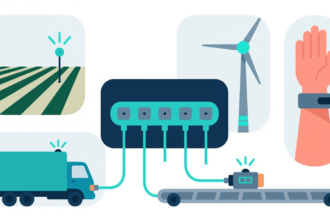
The Internet of Things (IoT) movement is a popular talking point across the IT and technology sector, and much of the focus has been on what the future implications are among a myriad of market segments. The IoT is not an isolated movement. It isn’t a consumer technology, an industrial solution or a business-specific advance.
The Internet of Things (IoT) movement is a popular talking point across the IT and technology sector, and much of the focus has been on what the future implications are among a myriad of market segments. The IoT is not an isolated movement. It isn’t a consumer technology, an industrial solution or a business-specific advance. Instead, the IoT is, at its core, is about using increased connectivity to share data across a variety of devices to improve control and decision making.
Whether this comes out in the form of having an app on a refrigerator tell the oven to start preheating or a temperature sensor identifying rising temperatures in a pharmaceutical storage area and communicating this problem to a thermostat, the IoT is set to disrupt a variety of sectors. The breadth of the IoT segment ensures that support teams in just about every industry need to be ready to respond to the new technology capabilities, and the IoT will have a huge impact on IT service management strategies. Three ways this will be felt include:
1. Increased volume of incidents

Think about how much smartphone and tablet use has created complexity for the IT service desk. This emergence of new mobile operating systems and device types has led to a huge influx of incidents as small bugs emerge when apps and services interact with diverse solutions. Now throw new in IoT APIs, sensors, monitoring devices, robots, automated building control systems, wearables and new smartphone apps into the configuration and the number of incidents that support teams will face is bound to escalate.
Strategic IT investments need to go beyond incident management platforms that help companies deal with this rise in incidents and extend out to business intelligence solutions that ensure organizations use their technology and staffing resources as efficiently as possible.
2. Rising change complexity
The new devices that will interact with the network will mean more configuration items that can be adversely impacted by a change. Achange management platform is a good place to start when it comes to dealing with this issue. The solution ensures that you can create and enforce best practices across change operations. However, the surge of items connecting to the network and the complexity of the interdependency between networked devices makes increased visibility essential.
Establishing a configuration management database can play a key role in easing the complexity burden created by the IoT. A CMDBallows you to create a database of all of your configuration items and see how they relate to one another. This frees support and IT workers to see how one change will impact other systems and avoid making a decision that unexpectedly causes problems.
3. New security concerns
One key issue created by the IoT is an increased dependence on connected devices interacting with one another and automatically responding to what they learn. This means that a hacker getting unauthorized access to the network may be able to do more than just steal some data. That individual could steal safety-related information – data pertaining to the location of workers and assets that could then be targeted – leaving a company at risk. At the same time, a hacker could also change the configuration of IoT devices or feed them false data to adjust how they interact with the physical world. This could cause robots to harm people or equipment, force temperatures to rise to damaging levels in locations where climate control is key or otherwise do significant damage.
The IoT creates new threats, but ITSM upgrades can help support and technology teams identify these problems more quickly and enact processes to respond more efficiently.
The ITSM world may need to change in response to the IoT, but cloud-based service desk solutions are giving organizations the flexibility they need to adapt quickly and respond to new challenges.



![What the Internet of Things Means for Physical Industries [VIDEO]](https://www.smartdatacollective.com/wp-content/uploads/2014/04/internet-things-means-physical-industries-video-330x220.jpg)