
We use cookies, including third-party cookies from Google to serve personalized ads through AdSense, to operate this site and understand how it is used. By continuing to browse, you accept this use. See our Privacy Policy and Terms of Use for details, including how to opt out of personalized advertising.
Accept
SmartData CollectiveSmartData Collective
  • Analytics
    AnalyticsShow More
    What Kind of Problem-Solving Distinguishes Data Analysts From Software Engineers -- AI-generated illustration
    What Kind of Problem-Solving Distinguishes Data Analysts From Software Engineers
    7 Min Read
    chatgpt image jul 21, 2026, 04 34 30 pm
    4 Core Benefits of Predictive Maintenance after Vibration Analysis
    10 Min Read
    How Does Data Mining Boost Customer Satisfaction in Logistics? Harnessing Analytics for Results -- AI-generated illustration
    How Does Data Mining Boost Customer Satisfaction in Logistics? Harnessing Analytics for Results
    11 Min Read
    chatgpt image jul 13, 2026, 04 23 45 pm
    How Data Analytics Helps Companies Improve User Engagement
    19 Min Read
    chatgpt image jul 13, 2026, 03 59 46 pm
    How Data Analytics Improves Multi-Location Search Strategies
    10 Min Read
  • Big Data
  • BI
  • Exclusive
  • IT
  • Marketing
  • Software
Search
© 2008-25 SmartData Collective. All Rights Reserved.
Reading: Who’s in Charge of Your Data?
Share
Notification
Font ResizerAa
SmartData CollectiveSmartData Collective
Font ResizerAa
Search
  • About
  • Help
  • Privacy
Follow US
© 2008-23 SmartData Collective. All Rights Reserved.
SmartData Collective > Big Data > Data Mining > Who’s in Charge of Your Data?
Big DataData ManagementData MiningDecision ManagementIT

Who’s in Charge of Your Data?

MindOverMachines
MindOverMachines
4 Min Read
Who's in Charge of Your Data?
Illustration generated with Qwen Image.
SHARE

It’s Time to Have the Conversation.

It’s Time to Have the Conversation.

In a recent article, my colleague Marjie Cota wrote about the critical information that lives within a company’s data. In it she makes the case that data is not just for collecting and reporting; and if treated as a strategic asset, data can produce some game-changing business results.

The next logical question that emerges, once an enterprise starts thinking seriously about maximizing its data, is about responsibility. Who pilots the enterprise’s data strategy in order to fulfill its business objectives?

More Read

Line-of-Business Tech Budgets May Soon Top IT Department Budgets: Gartner
Successful Brands Leverage Big Data to Create Targeted Lead Magnets
Big Data Analytics: Think Differently To Maximize Value
Smart SMBs Are Taking Advantage of Major Advances in Data Security
Cloud Technology Powers Research on PSA Software

Who is Data’s Boss?

Let’s consider for a moment what organizations large and small need when it comes to data:

  1. Creation of enterprise-wide data governance policy and procedures
  2. Consultation with various enterprise stakeholders to determine data needs (e.g. executive, accounting, sales, marketing, IT)
  3. Data collection
  4. Data security
  5. Data management
  6. Data flow within and across the enterprise
  7. Data analysis and modeling
  8. Data reporting and dashboarding in coordination with enterprise stakeholders

Enterprise data management is strategic in nature – and not necessarily technology driven – and the benefits it brings to the enterprise are ultimately reaped in the form of actionable business intelligence.  Strategic data management shouldn’t be just an item tacked on to an existing department or job description already overflowing with responsibilities.

Still, data experts don’t necessarily agree where responsibility for strategic data management should lie. A widely held assumption, and traditional practice, is that data lives in the IT Department – there to speak when spoken to, and to be invisible except when summoned.  However, with massive volumes of data tantalizing corporate leaders with promises of vast hidden treasures, suddenly data is being rediscovered as a major strategic player, with influence throughout the entire enterprise – much like a C-level officer.

Giving Data a Corner Office

Thomas C. Redman, in the Harvard Business Review, recently asserted, “Different kinds of assets, people, capital, technology, and data demand different kinds of management. You don’t manage people assets the same way you manage capital assets. Nor should you manage data assets in the same way you manage technology assets. ” Data Blueprint’s Data Management and Data Administration academic paper makes a similar recommendation, “Management should recognize the DM is continuing to move towards a model in which it is moving away from the inclusion of low-level operations and towards more managerial functions.” 

The business response to the data management question is as varied as the businesses themselves. For some, this advocacy role comes in the form of a Chief Data Officer. For others, the CIO assumes the additional responsibilities. Still others, with a more specialized focus – and more resources – have created C-level roles such as Chief Privacy Officer, Chief Information Security Officer, and Chief Intellectual Property Officer. In fact, Data Blueprint’s research included a title survey of over 1,000 data management professionals who attended the Enterprise Data World 2009 conference. The finding: more than 300 registered job titles!

Regardless of titles, job descriptions or reporting structures, data management, and the creation of a data governance strategy, is an enterprise-wide, over-arching responsibility that resides at the executive level. It’s a strategic, organizational initiative that drips into every bucket. And with all of the attention big data is generating, it behooves companies large, medium and small, to make the most of their data.

So who’s in charge of your data?
TAGGED:Marjie Cota
Share This Article
Facebook Pinterest LinkedIn
Share

Follow us on Facebook

Latest News

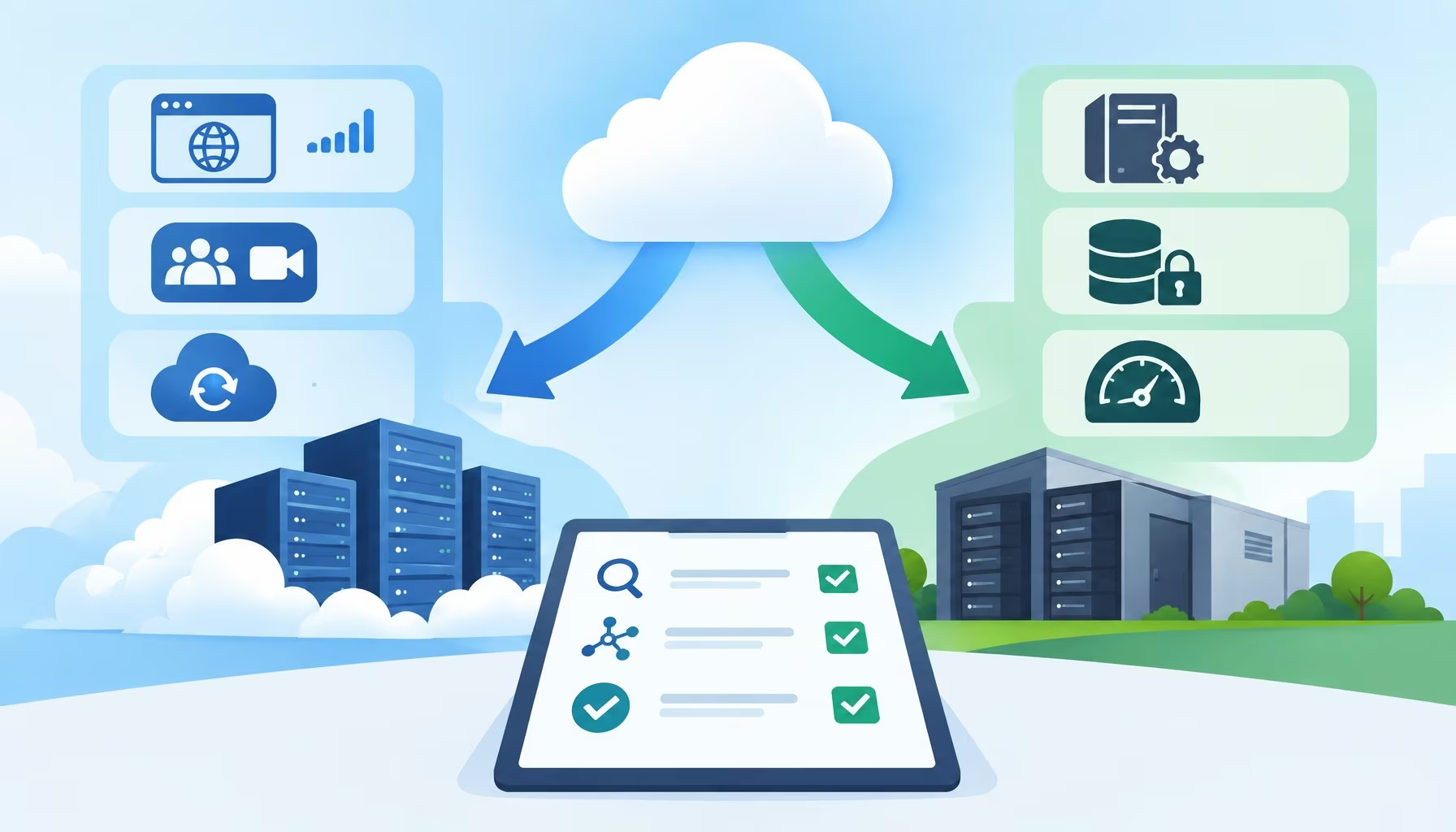
Flat editorial illustration: The article's core relationship is workload-by-workload decision-making for cloud migration, where s
Which Workloads Should Move to the Cloud?
Cloud Computing Exclusive IT
Flat editorial illustration: The article positions data governance as a strategic board-level concern rather than a purely techni
Why Data Governance Is Becoming a Board-Level Business Priority
Big Data Exclusive Policy and Governance
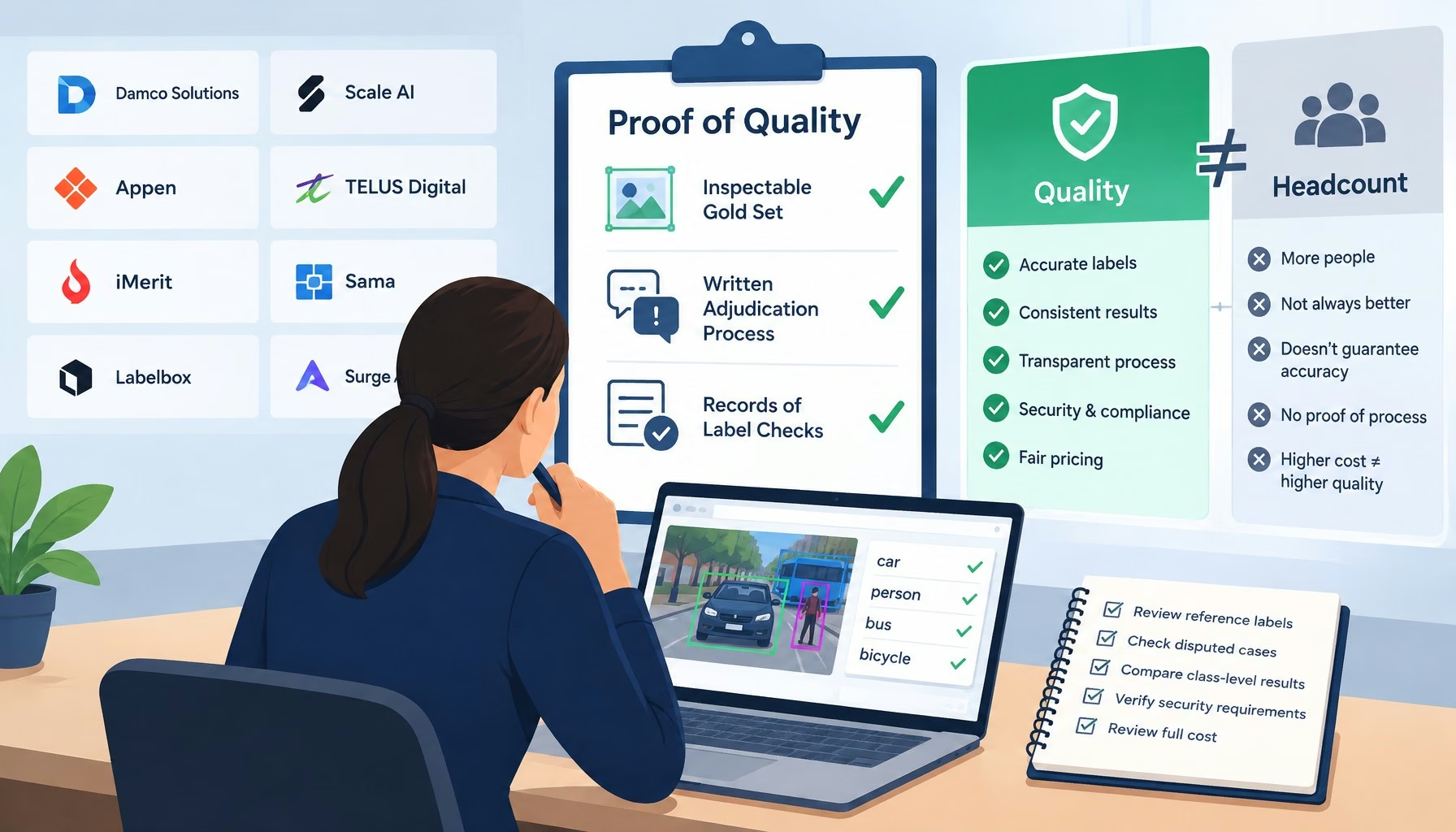
Flat editorial illustration: The article argues that data annotation quality should be measured by inspectable gold sets, written
The Top Data Annotation Companies Are Separated by Proof of Quality, Not Headcount
Big Data Exclusive
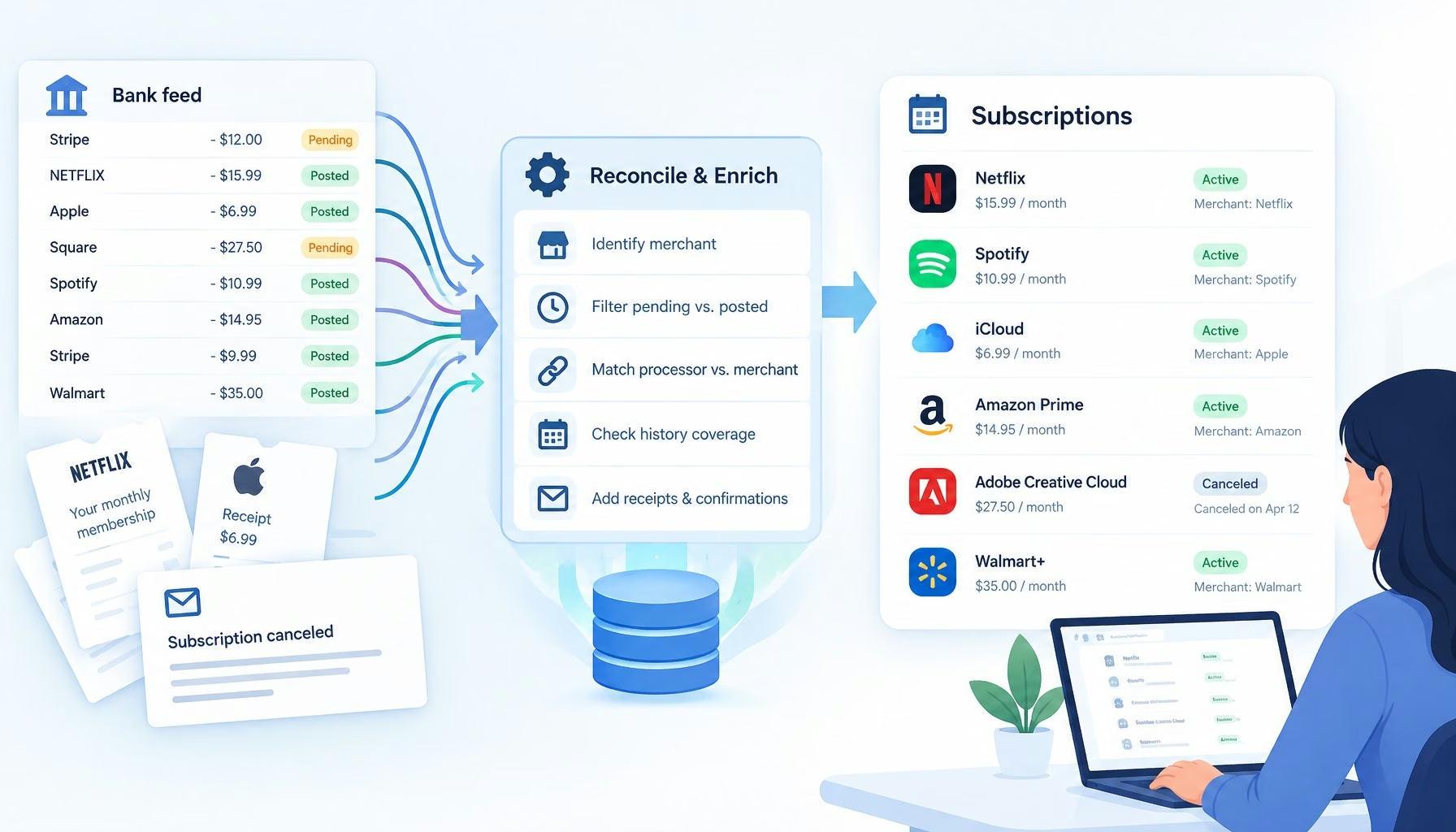
Flat editorial illustration: The article's core relationship is the gap between raw bank-feed records and reliable subscription i
Subscription Trackers Have a Transaction Data Problem
Big Data Exclusive

Stay Connected

1.2KFollowersLike
33.7KFollowersFollow
222FollowersPin

SmartData Collective is one of the largest & trusted community covering technical content about Big Data, BI, Cloud, Analytics, Artificial Intelligence, IoT & more.

How To Get An Award Winning Giveaway Bot
Big Data Chatbots Exclusive
ai chatbot
How AI Website Chatbots Improve Customer Support and Lead Generation
Chatbots Exclusive

Quick Link

  • About
  • Contact
  • Privacy
Follow US
© 2008-26 SmartData Collective. All Rights Reserved.
Welcome Back!

Sign in to your account

Username or Email Address
Password

Lost your password?