
When data security within apps is discussed, most people think of WAF.
However, a web application firewall is limited. A trusted security tool focuses on the traffic going in and out without considering what happens to sensitive information circulating inside the application.
In cybersecurity, this creates a major blind spot that could result in a data breach.
To regain control over sensitive information and prevent data from being manipulated or leaked in cyberattacks, companies rely on RASP.
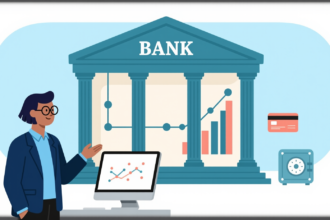
How does RASP security operate and protect data within the app?
RASP Security Basics
Runtime Application Self-Protection (also known as RASP) is a cybersecurity tool designed for applications and cloud environments.
What makes RASP different from other security solutions such as firewalls and WAF? It operates within the app to protect the application and information inside of it.
Once it’s deployed in the application, it seeks signs of broken protocols and vulnerabilities that might put the assets of a business at risk.
Another feature that separates it from other solutions is that it’s self-protecting. It runs when the app starts and doesn’t require heavy-duty management to defend the assets.
Most businesses combine security solutions that focus on perimeter security (such as WAF) with RASP, which is dedicated to app protection from within. In that way, they have a layered system that protects the company.
This software has become popular with businesses and developers because it can be used anywhere there is a need for it and defends the application in real-time.
Many organizations have been shifting to cloud-based environments and have discovered the need for solutions they can personalize to their own needs as they adjust to a novel technology.
This security tool for applications also takes a lot of legwork from IT teams that already have heavy workloads. Namely, it can remove potential threats and hacking attempts without requiring human intervention.
Although, companies that have security teams often use it to flag unwanted behavior within the app.
Preventing Cyberattacks
The most obvious way RASP prevents data leaks and manipulation is by protecting an application from hacking attempts. To ensure that everything is covered, RASP can mitigate:
- Well-known attacks on the system
- Attempts at zero-day exploits
- Common vulnerabilities within apps
Known hacking methods that could compromise data include social engineering (e.g. phishing) and malware injection. RASP can discover and mitigate early threats — before they turn into incidents.
The solution detects and removes known threats automatically, giving the teams that manage security more time to dedicate to more pressing and complex tasks.
Zero-day attacks, or attempts at hacking with methods that aren’t yet known to cyber experts, can make a difference in whether a business will continue to operate following the hacking.
During zero-day attacks, hackers exploit vulnerabilities that have been in the system, undiscovered. RASP utilizes grammar-based methods to discover such attempts and mitigate them early — without the necessity of patches.
Common flaws for applications are listed on OWASP’s top 10. Sensitive data exposure currently takes second place on the list of most concerning weaknesses. Errors in cryptography that protect the data can expose sensitive data to the public.
The number one weakness that apps face (according to OWASP) is broken access control. This vulnerability allows threat actors to access restricted parts of the app.
Flaws create major gaps in the security that criminals can exploit to get into the system and obtain data. RASP is continually updated to seek signs that the app is exposed to vulnerabilities listed in OWASP.
Having an Overview of Compromised Data
A major part of data security is having control over the data that is within the application — knowing where it is at all times and who has access to it.
It’s also crucial to know whether someone is attempting to get unauthorized access to this sensitive data.
In case of a hacking attempt, RASP offers you a bird’s eye view of your information.
Integrated within your app, the tool can point at the exact part of the system the threat actor is targeting and thus which sensitive data has the potential to be compromised.
Besides knowing which techniques they’re using, you can learn more about who is targeting your infrastructure with malicious code.
Customizable For Different Applications
The same vulnerability that can lead to incidents such as a major data breach within one app might not be a prevalent issue in another.
Therefore, it’s important to customize the policies that govern the security app based on the unique needs of the organization.
For example, an HTTP request that won’t compromise one app might target and exploit the sensitive components of another.
Deployed on the cloud, RASP observes the behavior that’s occurring within the app. It collects data and mitigates threats in real-time.
The longer it runs on the app, the more information it has to compare the attack surface with its various states.
The result is the security that utilizes machine learning to determine and pinpoint activity that is out of the ordinary for the application.
What it essentially does is it considers the context within which the specific behavior occurs to decide whether there is an attempt at a cyber breach.
Applications Are Evolving; Security Should Too
Web apps nowadays are not the same as their early predecessors.
New features and technologies such as containers and cloud environments have resulted in apps that can’t be protected with traditional WAF solutions.
Modern applications require protective tools that can keep up with the technological evolution that is taking place.
Unprotected applications are vulnerable to exploits depicted in the OWASP top 10 and any new zero-day attacks.
RASP protects applications more thoroughly, simply, and accurately. The security is deployed to seek changes within the app in real-time and mitigate the threats right away — without putting sensitive data at risk.