

A look into the past
A look into the past
Almost 25 years ago, the Internet was solely used for communicating with each other and share information. For instance, it was just used to send emails and chat with people remotely. Technology is so expansive and ever-changing that it has revolutionized the communication world like nothing before. The interaction between machines and humans is the best example of it. Today, we can simply retrieve any information from a machine in no time, making remote monitoring and predictive analysis the next evolution.
Internet of Things landscape

The Internet of Things (IoT) is no longer an unfamiliar subject across business and technology. In fact, it is the most hyped technology, yet entirely justified by the figures.
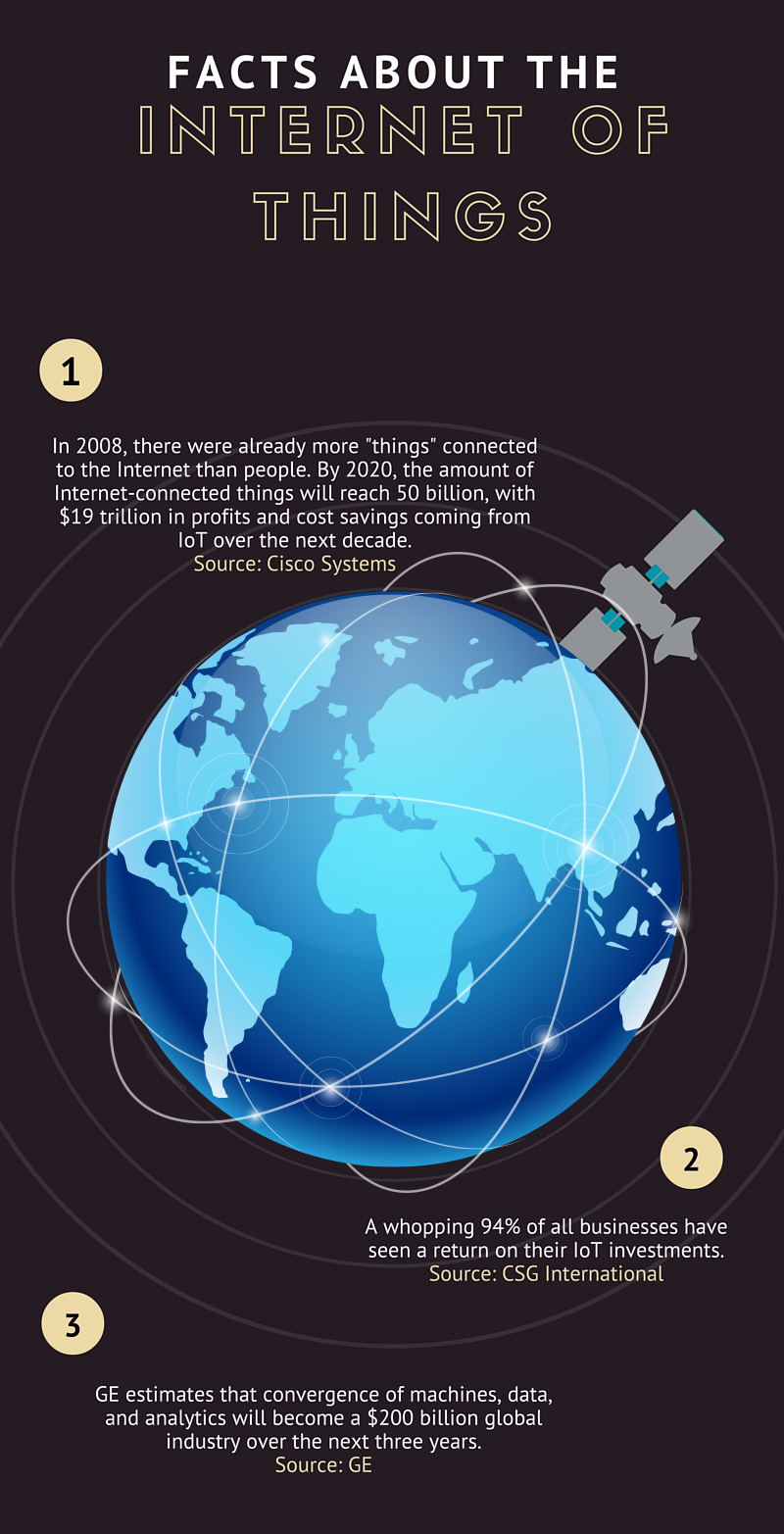
In 2008, there were already more “things” connected to the Internet than people. By 2020, the amount of Internet-connected things will reach 50 billion, with $19 trillion in profits and cost savings coming from IoT over the next decade. – Cisco Systems
A whopping 94% of all businesses have seen a return on their IoT investments. – CSG International
GE estimates that convergence of machines, data, and analytics will become a $200 billion global industry over the next three years. – GE
So what remote monitoring is in the first place
The Internet of Things has been helping the manufacturing and industrial world in a number of ways. Remote monitoring enables organizations to track their assets effectively and see performance metrics and other crucial data in real-time, even when you are out and about. With the help of connected devices, you can keep an eye on operations from any location and receive automated alerts. Furthermore, you can gain critical business insights from the collated data and improve business decisions, e.g., maintenance planning and scheduling.
Creating a kick-ass strategy for your #remotemonitoring project could never be easy. Learn more…
Click To Tweet
It mainly involves:
- Collecting data from assets
- Analyzing the data
- Using the data to trigger alerts and actions
- These actions can be remote diagnostics, maintenance requests, and other operational processes.
IoT plays a key role here because it transforms a manual, time-consuming procedure into a rapid, dynamic and automated one. Remote monitoring enables organizations to gain real-time visibility into manufacturing operations and automatically respond to current conditions.
How to take the right approach for your next remote monitoring project
A remote monitoring project will differ from one organization to another based on the type of business and process. However, the considerations and principles will remain same. Taking the right approach will help you create new intelligence that will not only improve efficiencies but also transform your business with new business models and revenue streams.
Here’s a framework you should follow to implement a remote monitoring project in your enterprise:
Determine target business processes
While looking forward to a remote monitoring solution for your company, the first thing you should do is, identify the business process to improve and anticipate outcomes that remote monitoring should support.
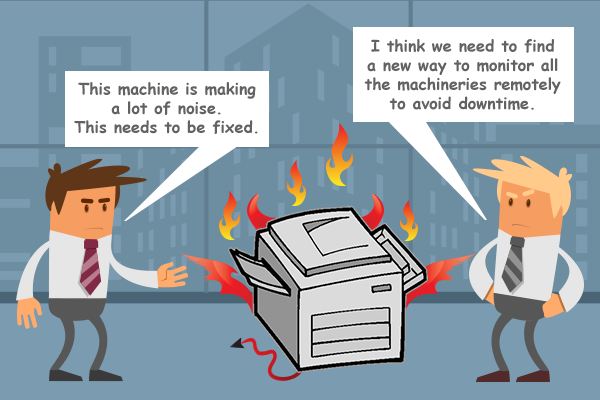
You need to determine the business goals of your remote monitoring project, which can be— fixing some equipment issues, accelerating response times, improving efficiency, or gaining better insight into asset performance. In-depth analysis of your business process will help you understand how it works currently, how much the productivity is, and what changes you need to make.
For instance, you might want a notification or email to be sent automatically when values exceed a certain threshold. At this step, you need to decide how extensive the changes in your business process might be and the capabilities your solution must have.
Map out the assets involved
Map out the location of your assets, understand how they are connected with each other, and learn what kind of data they send/receive. At this step, you must ensure that the solution you create works with your assets and their network. There are different items which you need to determine, including types of assets, locations, data types, connection protocols, etc.
Identify additional components required
A legacy system is not only defined by age. Its incapacity or incompatibility with sophisticated sensors and devices may also require you to introduce additional components. Connecting legacy assets with new sensors, gateways, and devices would require a deeper understanding of your assets, how they operate, and technical know-how.
Understand your data
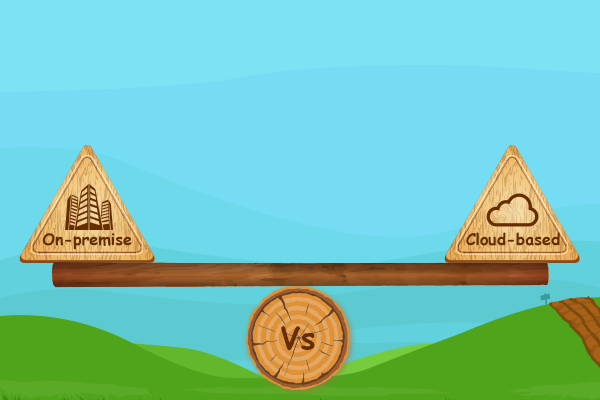
It is vital to understand amounts and types of data your assets generate, where the data is stored, and how often it is available. You clearly need to identify your needs so that you can determine which type of data will remain on-premises and which type of data will be sent to the cloud.
How to take the right approach for your next #remotemonitoring project
Click To Tweet
To keep the equilibrium, you need to look into various parameters, such as:
Type – It can be temperature, humidity, vibration or other descriptive characteristics.
Size – Your assets will be transmitting different sizes of data files.
Location – Where the data is stored and processed.
Frequency – How often the data is transmitted and when you need to analyze.
Another aspect of data assessment is to determine who should receive the specific type of data from which asset in order to achieve actionable insights. Ensuring data is available to the right people at the right time will enable you to make the most of the collated data and the solution you are going to set up.
Create business rules
Automated alerts and notifications are at the core of remote monitoring. Creating business rules means you need to identify and understand different conditions that your assets undergo.
For example: when data exceeds a pre-defined threshold value, a system should create a ticket and notify users. However, to define business rules, you need to specify data values that will drive a trigger for taking further actions. If you are not sure about the exact value, then you can identify starting-point values at first. You can then tune them up as you learn more with time.
Set up and deliver business value
Once all the elements are defined, the next stage is solution development and execution. Remote monitoring will enable you to collect vast amounts of data in real-time and gain deeper insights into the performance and potential of your business. With sufficient data, you can identify potential risks and take immediate actions. As you advance over time, you can carry out additional integrations with back-end systems and enterprise apps to get the most value out of your solution.
If you’d like to discuss how to develop and implement a remote monitoring solution in your enterprise, feel free to get in touch with us here.
The post How to create a kick-ass strategy for your next remote monitoring project appeared first on Softweb Solutions.