Machine Learning is a branch of Artificial Intelligence that works by giving computers the ability to learn without being explicitly programmed. Machine Learning is already being used in many aspects of our life, from recommending movies or music based on past preferences to giving doctors’ advice on relevant treatments for their patients.
- Using Machine Learning to Encourage Reviews
- How to Set Up Machine Learning for Review-Related Goals
- Machine Learning for Review Research
- Machine Learning and Sentiment Analysis
- Using Machine Learning to Improve Reviews
- Removing or Rewarding Positive Reviews
- Turning Negative Reviews into Marketing Assets
- Identifying Which Customer Segments Are Most Likely to Leave Negative Reviews
As technology advances, machine learning will have more opportunities to help businesses engage with their customers and improve the overall customer experience. Machine learning programs can be trained on large sets of data, such as customer reviews and feedback, to identify patterns and make predictions about future behaviors.
In this article we will explore how you can use machine learning to potentially change and encourage reviews, which we know affects consumer purchasing decisions.
Using Machine Learning to Encourage Reviews
Let’s assume that we want to encourage people to leave positive reviews after a purchase. To do so, we can use feedback and product review data from other customers who bought the same item as our target audience.

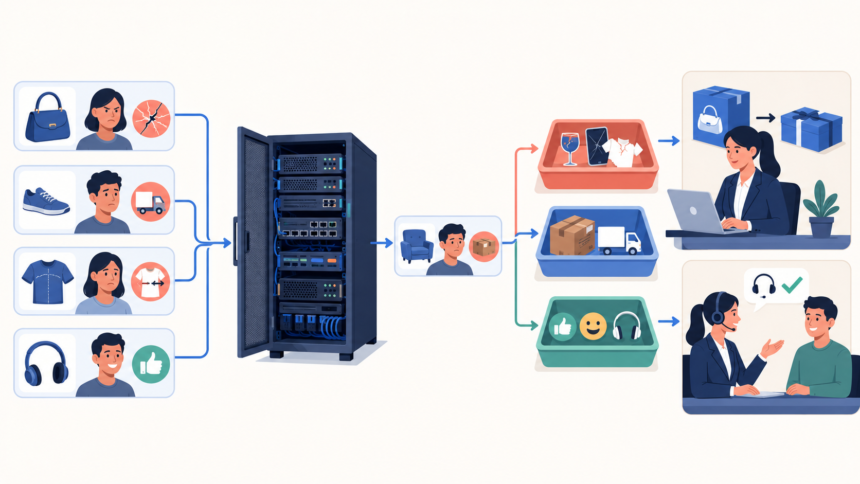
If we train a machine learning program on this data set, it will be able to predict whether or not someone is likely to leave positive reviews. If the program predicts that someone is likely to leave a positive review, we can send them an email encouraging them to do so.
This is only one way you could use machine learning for this purpose. You can analyze different aspects of a purchase order and make changes based on what will be best for your company’s bottom line.
How to Set Up Machine Learning for Review-Related Goals
In order to set up a machine learning program, you need three things:
- A large sample of data from successful customers who followed through with the goal you want your new machine learning program to achieve;
- The right analytical tools that can work with this type of data; and
- Access to the right data scientists who understand these analytical tools and are able to train your program.
If you don’t have all three things, consider partnering with a marketing firm that specializes in machine learning like broadly.com to help you through the process.
Machine Learning for Review Research
There are many ways that machine learning can be used for research related to reviews. Machine learning can be used to identify trends in the data, such as what types of reviews get more clicks on a website.
In addition, machine learning is increasingly being used for “sentiment analysis” – determining what the sentiment of a review is (positive, negative, or neutral).
If you have some data that’s already been manually labeled with sentiment, machine learning is a fast and accurate way to do additional research and identify larger trends.
Machine Learning and Sentiment Analysis
The two most common ways to use an off-the-shelf machine learning system for sentiment analysis are: Training your own model from scratch; or accessing an API call on a third-party sentiment analysis system. Both of these options will work if you have the data required to train an accurate model.
Training your own model is faster, but it can take time and resources that smaller companies might not have. Using a third-party API is fast, but the results are often lower quality than they would be with a custom-trained model.
Using Machine Learning to Improve Reviews
Once you have a machine learning program set up, there are several ways you can use it to improve the reviews your business gets.
Here are three simple examples of how to use machine learning in everyday life:
- Remove or reward positive reviews;
- Featurize negative reviews into marketing assets; and
- Identify which customer segments are most likely to leave negative reviews.
Removing or Rewarding Positive Reviews
One simple way machine learning can be used in everyday life is by rewarding positive reviews. If we train our program on the existing data set, we can predict which reviews are most likely to be positive. Then, for example, we could automatically add a thank-you note to the review and offer the reviewer a discount code for their next purchase.
This increases the likelihood of them leaving another positive review about this product in their next transaction… and it helps build trust with customers who may be the reviewers of the future.
Turning Negative Reviews into Marketing Assets
Another way machine learning can be used is by turning negative reviews into marketing assets. If your program analyzes a product review and determines that it’s largely positive, you could automatically turn this review into a blog post to help bring more traffic to your website. This process works well for a few reasons: It’s a high-quality review that can be transformed into valuable content; and only one or two sentences would need to be changed, keeping the rest of the wording exactly as it is.
Identifying Which Customer Segments Are Most Likely to Leave Negative Reviews
The last way machine learning can be used in everyday life is by identifying which customer segments are most likely to leave negative reviews. If you have enough data, you could train your program on the existing positive and negative reviews to figure out if there’s an algorithm that can accurately predict whether a review will be positive or negative based on who they are (such as what products they’ve purchased in the past, what customer segment they belong to, and so on).
If you were able to identify this algorithm, you could automatically pre-emptively reach out to the customers who are most likely to leave a negative review as soon as they purchase an item. This would allow your business to either steer them away from your products or provide extra assistance before any problems arise.
Conclusion
Machine learning and sentiment analysis is a fast and accurate way to do additional research and identify larger trends. This is one of the many ways that they are improving our lives. Whether you’re selling a product online or running a brick-and-mortar business, these behavioral neuroscience principles will work for you. They’ll help drive more visitors into your marketing funnel and convert casual visits into sales.