What the Travel Industry Is Learning from Predictive Analytics
Big data has brought exciting changes to nearly every commercial industry, but none as great as an improved ability to predict the future. Of course, companies can’t forecast exactly what will happen a few years from now, but they can get a pretty good idea how to adjust their strategies in order to keep up with future demand.
What the Travel Industry Is Learning from Predictive Analytics
Big data has brought exciting changes to nearly every commercial industry, but none as great as an improved ability to predict the future. Of course, companies can’t forecast exactly what will happen a few years from now, but they can get a pretty good idea how to adjust their strategies in order to keep up with future demand.
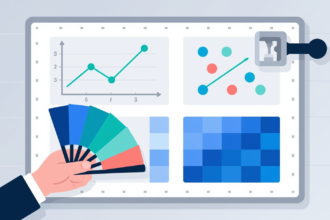
The travel industry will benefit from improved methods of prediction as much as anyone. Big data analytics are enabling travel firms to keep ahead of their competition and attract a steady flow of traffic through their doors.
A compendium of data gives travel professionals the intelligence to drive profitable sales, increase and reduce inventory based on seasonal trends, and revamp their marketing tactics.
Big Data’s Role in Predictive Analytics
If there’s one lesson businesses in every field have learned, it’s that predicting the future of customer interactions requires relevant data from their past behavior. The proper tools to gather the data and harness it for your company’s use are also essential.
Big data is collected primarily through search engines such as Google, which monitor the browsing history, time and date stamps, and other useful information about customer demographics. Unencrypted surveys, inputted addresses, flight and hotel bookings, and even certain credit card information are all subject to data collection.
This information generates an in-depth look at customers to see what they want and which the direction they’re headed. And all of this data can be used for travel marketing.
For example, an airline can alert a travel agency when a past customer has arrived in a foreign country. The agency can then send an exclusive offer from an airline the customer’s used in the past. Or maybe it will advertise a high-quality hotel chain.
These kinds of targeted advertisements bring in more customers and grow brand loyalty, and they are easily accessible through predictive analytics.
Putting It Into Practice
Before travel professionals can reap the benefits of data collection, they must learn how to collect the information and use it. Here are just a few ways that travel companies have found success in monitoring big data.
- Follow Travel Insurance Purchases: One of the best indicators that someone travels often and far from home is the purchase of travel insurance. This type of coverage protects individuals in the case of unexpected delays, emergencies, and accidents. Knowing how many people have purchased travel insurance can indicate when the market is up, that the buyers are cautious, and that they travel often … all of which are very useful in predictive analytics.
- Watch Travel Trends: Travel professionals can compare old trends with new ones to see which industries are still prospering. For example, comparing data regarding flights to a certain destination last year to the same numbers from this year will show which destinations are still a hot item and which may have fallen off the chart.
- Proctor Surveys: Some data can be collected first-hand by proctoring surveys. A company can ask questions in surveys that will give plentiful information in several areas; but above all, it will provide insight into what the target audience prefers and dislikes.
- Poll Airline and Car Rental Firms: Travel professionals may want to keep an eye on data from airlines and rental car companies to understand the state of the travel market, the places people are going, and the types of transportation they’re using.
The above should indicate that a lot of great information comes out of the data relating to the travel market. Predictive analytics can be a significant key to prosperity for both travel agencies and suppliers.