
We have mentioned that advances in Artificial intelligence have significantly changed the quality of images recently. AI has undoubtedly changed the quality of art as new tools like MidJourney become more popular. Of course, the proliferation of AI art has light to some confusion with intellectual property laws, but it has otherwise been a net positive.
Forbes author Barry Collins wrote about some new tools and features that MidJourney just released. Panoramic images are significantly changing the direction of modern art.
However, there are other ways that AI is changing the future of digital media. One development that AI has led to is the growth of image annotation.
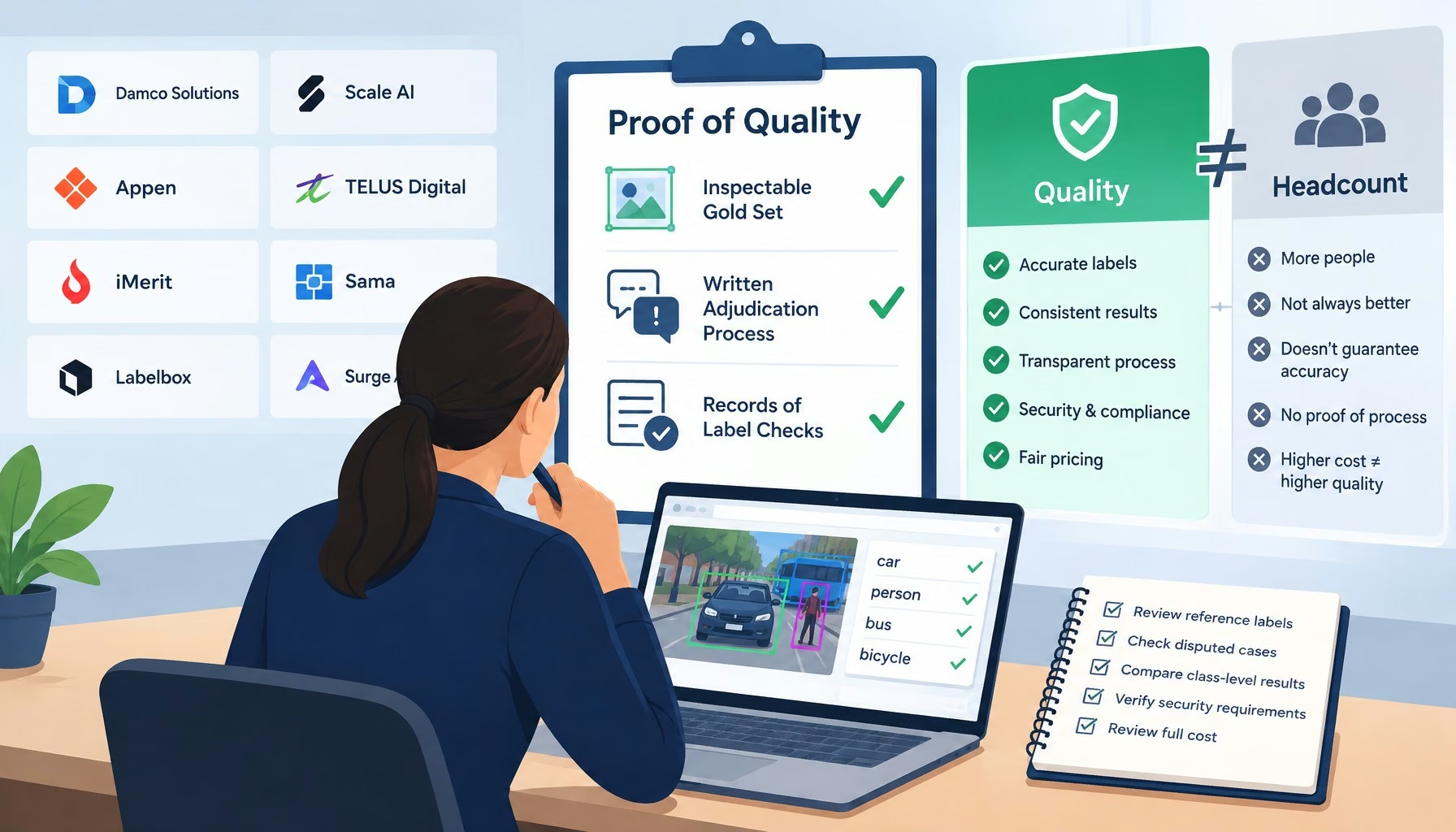
Image annotation is the act of labeling images for AI and machine learning models. It involves human annotators using a tool to label images or tag relevant information. This helps train the AI model by assigning classes to different entities in an image. The resulting structured data is then used to train a machine learning algorithm. There are a lot of image annotation techniques that can make the process more efficient with deep learning.

For example, annotators can label vehicles in images to train a model to recognize and detect vehicles and differentiate them from pedestrians, traffic lights, or obstacles on the road. This he’s just one of the many ways that artificial intelligence has significantly improved outcomes that rely on visual media.
Improving annotation quality is crucial for various tasks, including data labeling for machine learning models, document categorization, sentiment analysis, and more.
High-quality annotations lead to better model performance and more reliable results. Read and learn some essential tips for enhancing your annotation quality.
Tips for Boosting the Quality of Your Annotation
There are several ways you can enhance your annotation quality. For example, using an image annotation tool makes your job easier. Below are a few of them.
Clear guidelines
Provide comprehensive and unambiguous guidelines to annotators. Clearly define the task, expected outcomes, and any specific criteria for labeling. Include examples to illustrate different annotation scenarios and edge cases.
Training and familiarization
Ensure annotators are familiar with the guidelines and the task before starting. Conduct training sessions or provide a document explaining the guidelines thoroughly. This will reduce inconsistencies and errors in annotations.
Consistency and agreement
Establish an agreement metric (e.g., Cohen’s Kappa) to measure inter-annotator agreement. This helps ensure consistency among annotators and identifies areas of ambiguity in guidelines that need improvement.
Iterative feedback
Encourage regular feedback from annotators during the process. Address their questions and clarify any uncertainties promptly. This feedback loop helps refine guidelines and ensures a shared understanding of the annotation task.
Random sampling and quality checks
Randomly select a subset of annotated data for thorough manual review. Check for accuracy, consistency, and adherence to guidelines. Identify patterns of errors and provide feedback to annotators to correct their approach.
Blind review
Implement blind review procedures where annotators do not know the correct answers or the source of the data. This prevents potential biases and enhances objectivity in annotations.
Annotation tools
Choose appropriate annotation tools that facilitate the task and maintain consistency. These tools can include specialized text, image, or audio annotation platforms. It makes the process more efficient and error-free.
Annotator expertise
Select annotators with relevant domain knowledge whenever possible. Expert annotators are more likely to understand the context and produce accurate annotations.
Address ambiguity
Clearly state how to handle ambiguous cases in the guidelines. Provide examples and decision trees to guide annotators through complex scenarios.
Regular meetings and communication
Conduct regular meetings with annotators to discuss challenges, share best practices, and address questions. Open communication fosters a sense of teamwork and helps resolve issues promptly.
Continuous training
Continuous training is essential for better annotation quality. Organize regular workshops to keep annotators updated with the latest guidelines and any changes in annotation strategies.
Cross-validation
Divide the dataset into smaller batches for large projects and have different annotators work on each batch independently. Then, cross-validate their annotations to identify discrepancies and rectify them.
Review annotated data
Have a separate team review the annotated data for quality control. This review can catch inconsistencies or errors that may have been overlooked during the initial annotation process.
Establish metrics for review
Create specific metrics for measuring annotation quality and use them to evaluate both individual annotators and the overall annotation process.
Rewards and recognition
Recognize and reward high-quality work from annotators. Positive reinforcement will always enhance morale. It motivates annotators to keep improving their performance.
Image Annotations Are the Latest Breakthrough in AI Digital Media
AI technology has significantly changed the way that we create and manage digital media. One of the biggest changes pertains to the rising use of image annotations.
These tips can significantly improve annotation quality, leading to more accurate data labeling. You will also get more reliable results for various applications. Don’t forget annotation quality is an ongoing process. Continuously improving is essential to success.