
We use cookies, including third-party cookies from Google to serve personalized ads through AdSense, to operate this site and understand how it is used. By continuing to browse, you accept this use. See our Privacy Policy and Terms of Use for details, including how to opt out of personalized advertising.
Accept
SmartData CollectiveSmartData Collective
  • Analytics
    AnalyticsShow More
    What Kind of Problem-Solving Distinguishes Data Analysts From Software Engineers -- AI-generated illustration
    What Kind of Problem-Solving Distinguishes Data Analysts From Software Engineers
    7 Min Read
    chatgpt image jul 21, 2026, 04 34 30 pm
    4 Core Benefits of Predictive Maintenance after Vibration Analysis
    10 Min Read
    How Does Data Mining Boost Customer Satisfaction in Logistics? Harnessing Analytics for Results -- AI-generated illustration
    How Does Data Mining Boost Customer Satisfaction in Logistics? Harnessing Analytics for Results
    11 Min Read
    chatgpt image jul 13, 2026, 04 23 45 pm
    How Data Analytics Helps Companies Improve User Engagement
    19 Min Read
    chatgpt image jul 13, 2026, 03 59 46 pm
    How Data Analytics Improves Multi-Location Search Strategies
    10 Min Read
  • Big Data
  • BI
  • Exclusive
  • IT
  • Marketing
  • Software
Search
© 2008-25 SmartData Collective. All Rights Reserved.
Reading: On Google, Privacy, and Data Management
Share
Notification
Font ResizerAa
SmartData CollectiveSmartData Collective
Font ResizerAa
Search
  • About
  • Help
  • Privacy
Follow US
© 2008-23 SmartData Collective. All Rights Reserved.
SmartData Collective > Data Management > Policy and Governance > On Google, Privacy, and Data Management
Policy and GovernancePrivacy

On Google, Privacy, and Data Management

MIKE20
MIKE20
4 Min Read
On Google, Privacy, and Data Management
Photo by Schluesseldienst on Pixabay (https://pixabay.com/photos/security-data-privacy-policy-4521075/)
SHARE

Google’s new privacy policy is causing quite the stir. In a nutshell, effective March 1st of this year, the company is going to be integrating user information from its different products and services much more extensively than before. For instance, a YouTube video watched on Manchester United might cause an add for soccer jerseys to appear in Gmail.

Contents
  • Google and Data Silos
  • Understanding the Hate
  • Simon Says
  • Feedback

In The Age of the Platform, I write about how all of these products and services are in fact just planks on the Google platform.

Some people have a problem with this level of integration. I am not one of them, as I wrote recently. In today’s post, I’d like to discuss my non-objections from a data management perspective.

The privacy extremists question whether Google is being true to its stated corporate credo, Don’t be evil. They worry about what will happen to the information that Google collects on its users. To me, Google is merely doing what all companies should do–i.e., practice solid data management.

More Read

Run IT as a responsive business, beat the cloud vendors at their own game
The HIPAA Privacy Rule and the Need for a Business Associate Agreement
The Data Lake Debate: The Final Word from Negative
How Hospital Security Breaches Devastate Local Communities
Unifying Your Social and Private Data Analytics – Creating an Integrated Customer Data Hub

Google and Data Silos

Consider the following questions:

  • Would it be better for Google not to collect and integrate as much user information as possible?
  • Should Google maintain a bunch of disparate data silos?
  • Should Google Maps not talk to Google Docs or Google Music?
  • Should they all be different departments within Google?

If you’re Mark Zuckerberg or Tim Cook, then the answers to these questions are yes. You don’t want Google to succeed. If you’re a Google investor, employee, or vendor, though, the answer is an unequivocal no. Google is Google because of many reasons including brilliant employees, a cool corporate culture, and remarkable technology. But all of that wouldn’t matter if Google didn’t manage its data well.

Period.

Understanding the Hate

Many Google detractors simply envy what Google does so well–and so much better than other organizations. Yes, I’m talking about data management. Don’t think for a minute that many of these same people aren’t trying to figure out how to do exactly what Google is doing–or learn from Larry and Sergey.

No doubt that this envy extends to technology. As a web-native company, Google probably doesn’t have a great deal of spaghetti architecture running behind the scenes. 1960s mainframes? Please. Google played leapfrog and embraced the cloud long before many CIOs even heard the term.

Simon Says

If Yahoo! had the ability to manage its data as well as Google, then perhaps the dot-com leftover might be doing better that it has been over the last five years.

If you truly dislike what Google is doing as a consumer, then use Bing, Yahoo! Mail, MapQuest, and other alternatives to Google products. That’s your choice as an individual. As a company, however, it’s hard to argue with Google’s results. Dislike the company if you must, but you can’t help but admire how the company manages its data.

Feedback

What say you?
 

TAGGED:data governance
Share This Article
Facebook Pinterest LinkedIn
Share

Follow us on Facebook

Latest News

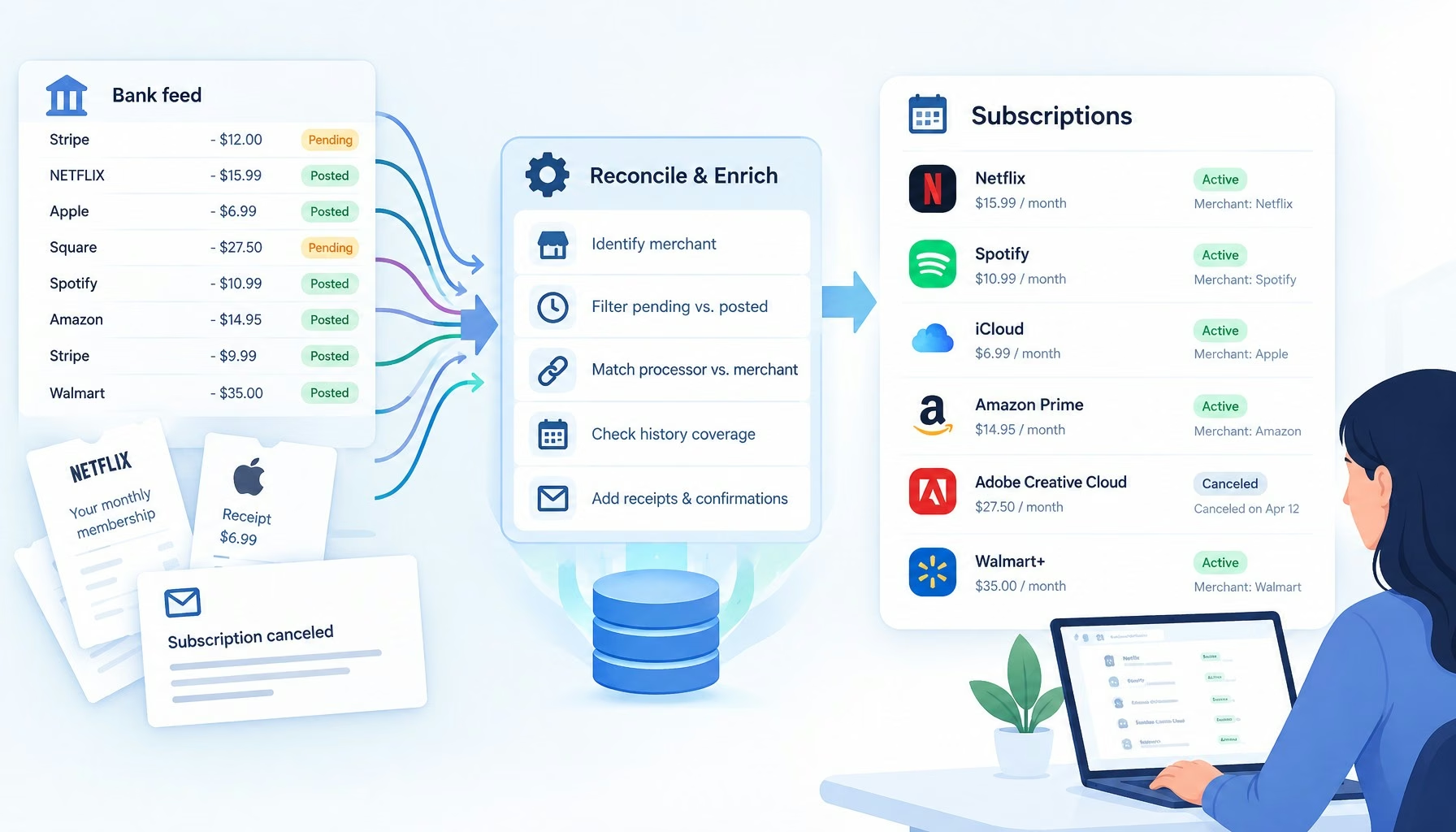
Flat editorial illustration: The article's core relationship is the gap between raw bank-feed records and reliable subscription i
Subscription Trackers Have a Transaction Data Problem
Big Data Exclusive
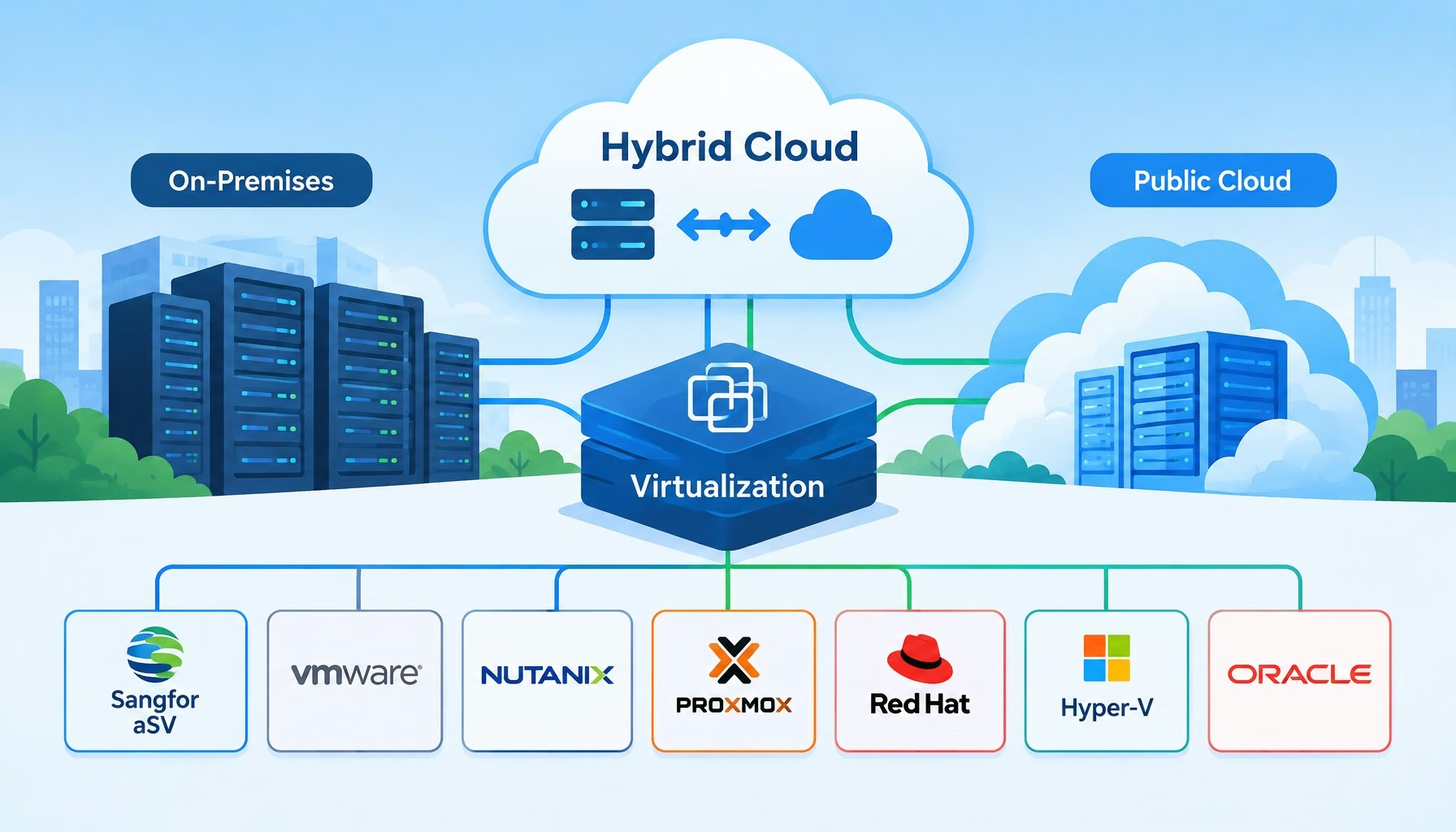
Flat editorial illustration: The article's core relationship is the hypervisor as the abstraction layer that makes hybrid cloud p
7 Best Virtualization Platforms for Hybrid Cloud Environments
Big Data
Flat editorial illustration: The article's core relationship is between aggregated workplace data (occupancy, environmental, feed
How Businesses Can Use Workplace Data to Create Better Office Environments
Big Data Business Intelligence Exclusive
Flat editorial illustration: The article's core relationship is the engineering transition from an AI prototype to a production-r
From AI Prototype to Production: Observability and Scalability Requirements for Data-Heavy SaaS Applications
Artificial Intelligence Exclusive

Stay Connected

1.2KFollowersLike
33.7KFollowersFollow
222FollowersPin

You Might also Like

Reference Domains Part IV: Metadata & Governance
Data Warehousing

Reference Domains Part IV: Metadata & Governance

6 Min Read
Microwavable Data Quality
Uncategorized

Microwavable Data Quality

4 Min Read
Data Quality, Collaboration and Baseball
Best PracticesCulture/LeadershipData Quality

Data Quality, Collaboration and Baseball

5 Min Read
Two Titanic Data Governance Mistakes
Business IntelligenceCulture/LeadershipData MiningData Warehousing

Two Titanic Data Governance Mistakes

5 Min Read

SmartData Collective is one of the largest & trusted community covering technical content about Big Data, BI, Cloud, Analytics, Artificial Intelligence, IoT & more.

How To Get An Award Winning Giveaway Bot
Big Data Chatbots Exclusive
From Bolts to Bots: How AI Is Fortifying the Automotive Industry
Artificial Intelligence

Quick Link

  • About
  • Contact
  • Privacy
Follow US
© 2008-26 SmartData Collective. All Rights Reserved.
Welcome Back!

Sign in to your account

Username or Email Address
Password

Lost your password?