
We use cookies, including third-party cookies from Google to serve personalized ads through AdSense, to operate this site and understand how it is used. By continuing to browse, you accept this use. See our Privacy Policy and Terms of Use for details, including how to opt out of personalized advertising.
Accept
SmartData CollectiveSmartData Collective
  • Analytics
    AnalyticsShow More
    What Kind of Problem-Solving Distinguishes Data Analysts From Software Engineers -- AI-generated illustration
    What Kind of Problem-Solving Distinguishes Data Analysts From Software Engineers
    7 Min Read
    chatgpt image jul 21, 2026, 04 34 30 pm
    4 Core Benefits of Predictive Maintenance after Vibration Analysis
    10 Min Read
    How Does Data Mining Boost Customer Satisfaction in Logistics? Harnessing Analytics for Results -- AI-generated illustration
    How Does Data Mining Boost Customer Satisfaction in Logistics? Harnessing Analytics for Results
    11 Min Read
    chatgpt image jul 13, 2026, 04 23 45 pm
    How Data Analytics Helps Companies Improve User Engagement
    19 Min Read
    chatgpt image jul 13, 2026, 03 59 46 pm
    How Data Analytics Improves Multi-Location Search Strategies
    10 Min Read
  • Big Data
  • BI
  • Exclusive
  • IT
  • Marketing
  • Software
Search
© 2008-25 SmartData Collective. All Rights Reserved.
Reading: Two Wrongs Don’t Make an Insight
Share
Notification
Font ResizerAa
SmartData CollectiveSmartData Collective
Font ResizerAa
Search
  • About
  • Help
  • Privacy
Follow US
© 2008-23 SmartData Collective. All Rights Reserved.
SmartData Collective > Data Management > Best Practices > Two Wrongs Don’t Make an Insight
AnalyticsBest PracticesBig DataBusiness IntelligenceData ManagementData QualityData VisualizationDecision ManagementInside CompaniesITKnowledge Management

Two Wrongs Don’t Make an Insight

Ray Major
Ray Major
5 Min Read
Two Wrongs Don't Make an Insight
Illustration generated with FLUX.2 [klein 4B] via Cloudflare Workers AI.
SHARE

What keeps IT guys up at night? All that bad data their bosses are using to run the business.

In case you missed it the other day, a hacker group briefly took control of the AP Newswire service’s Twitter account and sent out a message that the White House had been attacked. In the two minutes it took to expose the message as a fake Wall Street took a 145 point plunge.

Contents
  • What keeps IT guys up at night? All that bad data their bosses are using to run the business.
  • What keeps IT guys up at night? All that bad data their bosses are using to run the business.

What keeps IT guys up at night? All that bad data their bosses are using to run the business.

In case you missed it the other day, a hacker group briefly took control of the AP Newswire service’s Twitter account and sent out a message that the White House had been attacked. In the two minutes it took to expose the message as a fake Wall Street took a 145 point plunge. While the market quickly recovered, that Twitter hack highlighted an important issue: if a mere 140 characters of momentary misinformation could lead people to make really expensive decisions, imagine what all that undiscovered bad data is costing.

Apparently the folks in IT departments are doing just that.

A newly published survey from the Aberdeen Group reports that IT professional’s number one concern for 2013 is “too many business decisions are based on inaccurate / incomplete data.”

More Read

First Look: Adaptive Planning Adaptive Discovery
5 Ways the Internet of Things Effects Modern Business
How the Internet of Things Can Create Disruptive Business Models [VIDEO]
GDPR Fines, Ransomware, and Cybersecurity: What You Need To Know
We All Now Work for Software Companies: The Lines Just Keep Blurring

Turns out in this day and age of social media, big data, and the Internet of Everything, IT guys are being forced to store bigger and bigger volumes of stuff with absolutely no way to check it for accuracy in any reasonable timeframe. Meanwhile people throughout the company are increasingly performing real time analysis, doing data visualizations, and running self-serve intelligence tools against it to make what could be very misinformed (or worse yet, disastrous) business decisions.

That’s an interesting and often overlooked point for those of us who don’t dwell among the racks in the server room.

In a world of increasingly easy-to-use and powerful business intelligence (BI) and big data analysis tools, more and more of us are attempting to glean fresh insight via our own data visualizations and analysis without giving much consideration to the accuracy of the underlying information. Maybe if we, like the IT pros, were aware how many of our spreadsheets had errors, how often data entry clerks misspell a city’s name, or that not everything on Twitter is real, we might have a little less trust in all these software tools that magically “turn data into insight.”

One other notable result from the Aberdeen survey was the percentage of IT people who said that data isolation was becoming a real problem. 31% of the respondents reported “data is too fragmented / siloed to develop a clear picture of the business.” By contrast, a mere 6% said that was an issue for them last year.

It seems all those data silos businesses spent so much time and money knocking down over the past decade are being replaced by a new generation of super-sized silos (under the guise of highly-specialized “big data” and analytics tools) which is, in turn, exacerbating the data quality headaches.

You can’t envy the situation with which IT pros are faced. Data volumes are accelerating and it’s doubtful people will abandon the immediacy of self-serve tools, making it highly unlikely anyone will ever get an upper hand on the totality of their data quality and siloing issues. The best they can hope is to break these problems into manageable chunks and tackle them individually. As this applies to cross-functional / departmental business intelligence and analytics the best approach is undoubtedly three-fold:

  1. Identify the data subsets actually required for analysis and pull them from their individual silos into a central repository
  2. Perform data quality analysis (standardization, error correction, data enrichment, etc.) on that sub-setted data
  3. Use the processed data for analysis, reporting and decision-making

By establishing these processes IT departments can cut the business data deluge to a manageable flow of good information, ensuring that the decision-makers downstream aren’t using two wrongs to make a bad insight.


Share This Article
Facebook Pinterest LinkedIn
Share

Follow us on Facebook

Latest News

Flat editorial illustration: The article's core relationship is workload-by-workload decision-making for cloud migration, where s
Which Workloads Should Move to the Cloud?
Cloud Computing Exclusive IT
Flat editorial illustration: The article positions data governance as a strategic board-level concern rather than a purely techni
Why Data Governance Is Becoming a Board-Level Business Priority
Big Data Exclusive Policy and Governance
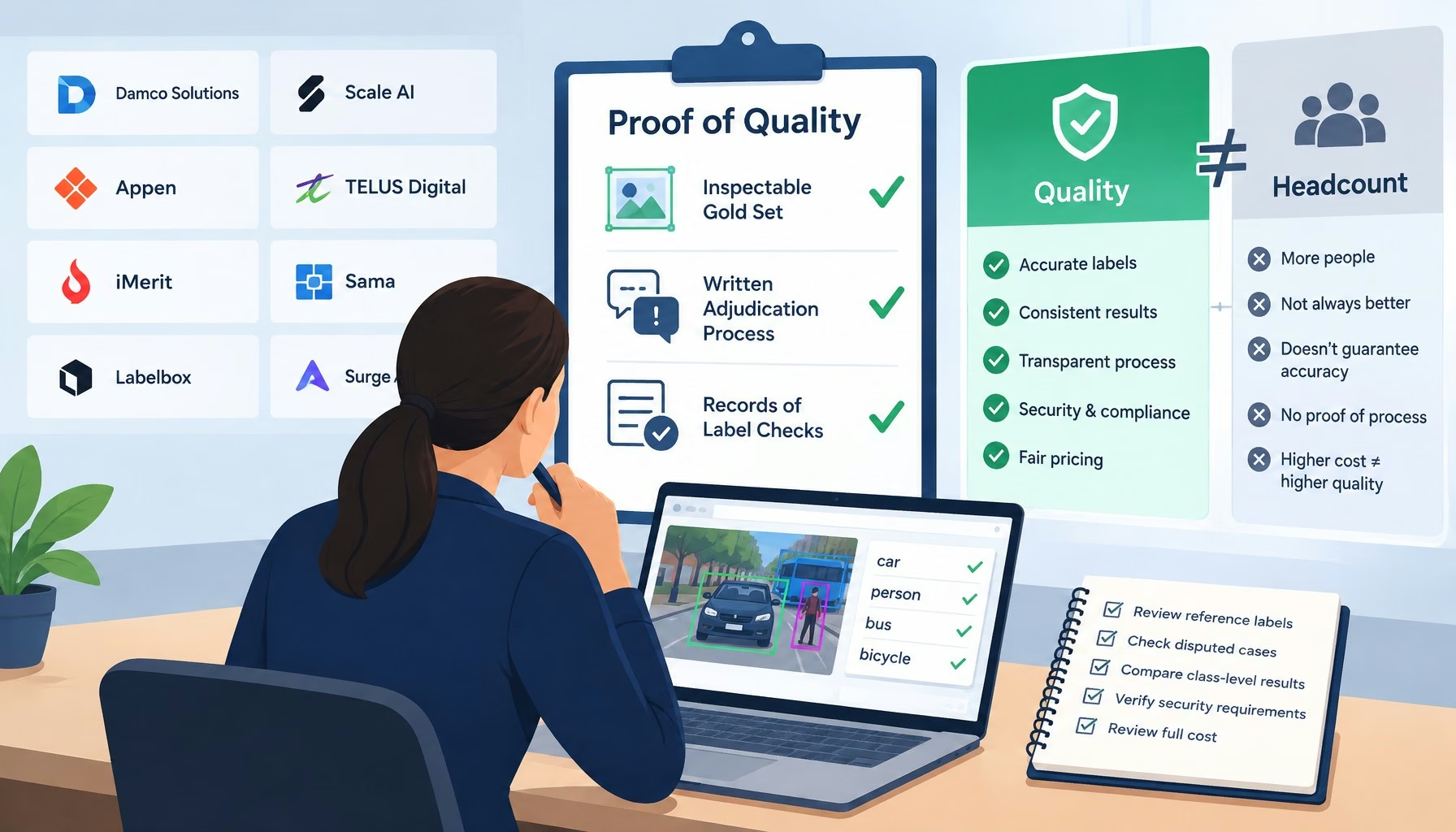
Flat editorial illustration: The article argues that data annotation quality should be measured by inspectable gold sets, written
The Top Data Annotation Companies Are Separated by Proof of Quality, Not Headcount
Big Data Exclusive
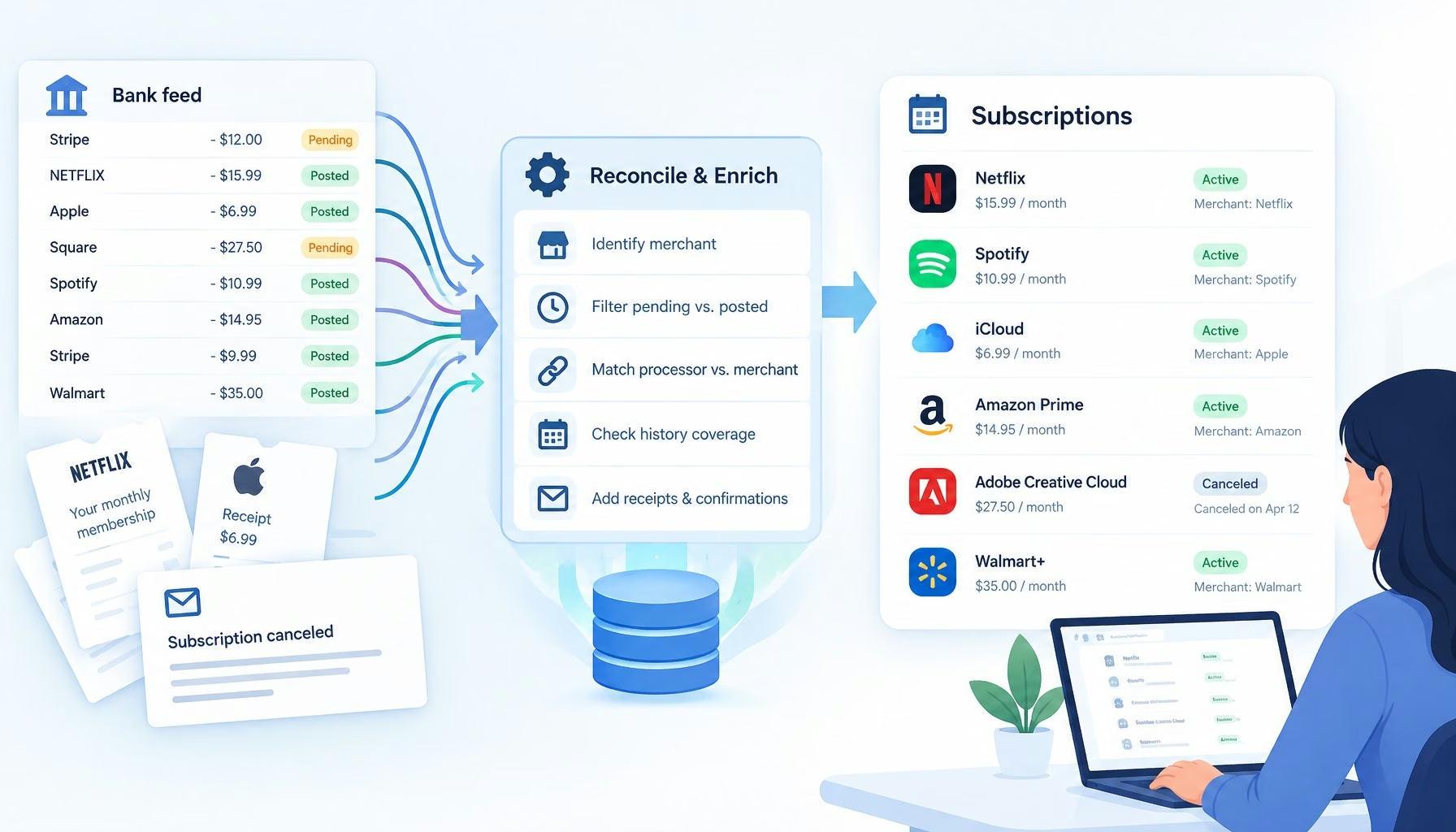
Flat editorial illustration: The article's core relationship is the gap between raw bank-feed records and reliable subscription i
Subscription Trackers Have a Transaction Data Problem
Big Data Exclusive

Stay Connected

1.2KFollowersLike
33.7KFollowersFollow
222FollowersPin

You Might also Like

Is Social the Future of Knowledge? Help Me Find Out
Analytics

Is Social the Future of Knowledge? Help Me Find Out

5 Min Read
Privacy Threats You Need to Know About
Security

Privacy Threats You Need to Know About

12 Min Read
Data Security: Ransomware-as-a-Service and What To Do To Avoid It
Security

Data Security: Ransomware-as-a-Service and What To Do To Avoid It

3 Min Read
Mobile Cloud Computing and its Critical Role in Data Management
Cloud Computing

Mobile Cloud Computing and its Critical Role in Data Management

7 Min Read

SmartData Collective is one of the largest & trusted community covering technical content about Big Data, BI, Cloud, Analytics, Artificial Intelligence, IoT & more.

Chatbots and SEO: How Can Chatbots Improve Your SEO Ranking?
Artificial Intelligence Chatbots Exclusive
Artificial Intelligence for eCommerce: A Closer Look
Artificial Intelligence

Quick Link

  • About
  • Contact
  • Privacy
Follow US
© 2008-26 SmartData Collective. All Rights Reserved.
Welcome Back!

Sign in to your account

Username or Email Address
Password

Lost your password?