We use cookies, including third-party cookies from Google to serve personalized ads through AdSense, to operate this site and understand how it is used. By continuing to browse, you accept this use. See our Privacy Policy and Terms of Use for details, including how to opt out of personalized advertising.
Accept
SmartData CollectiveSmartData Collective
  • Analytics
    AnalyticsShow More
    chatgpt image jul 21, 2026, 04 34 30 pm
    4 Core Benefits of Predictive Maintenance after Vibration Analysis
    10 Min Read
    How Does Data Mining Boost Customer Satisfaction in Logistics? Harnessing Analytics for Results -- AI-generated illustration
    How Does Data Mining Boost Customer Satisfaction in Logistics? Harnessing Analytics for Results
    11 Min Read
    chatgpt image jul 13, 2026, 04 23 45 pm
    How Data Analytics Helps Companies Improve User Engagement
    19 Min Read
    chatgpt image jul 13, 2026, 03 59 46 pm
    How Data Analytics Improves Multi-Location Search Strategies
    10 Min Read
    cybersecurity efforts
    How Behavioral Analytics and AI Are Redefining Cybersecurity for Boca Raton Businesses
    14 Min Read
  • Big Data
  • BI
  • Exclusive
  • IT
  • Marketing
  • Software
Search
© 2008-25 SmartData Collective. All Rights Reserved.
Reading: Can Google Cloud Trigger A Cloud Influx?
Share
Notification
Font ResizerAa
SmartData CollectiveSmartData Collective
Font ResizerAa
Search
  • About
  • Help
  • Privacy
Follow US
© 2008-23 SmartData Collective. All Rights Reserved.
SmartData Collective > IT > Cloud Computing > Can Google Cloud Trigger A Cloud Influx?
Big DataCloud ComputingIT

Can Google Cloud Trigger A Cloud Influx?

Anand
Anand
5 Min Read
SHARE

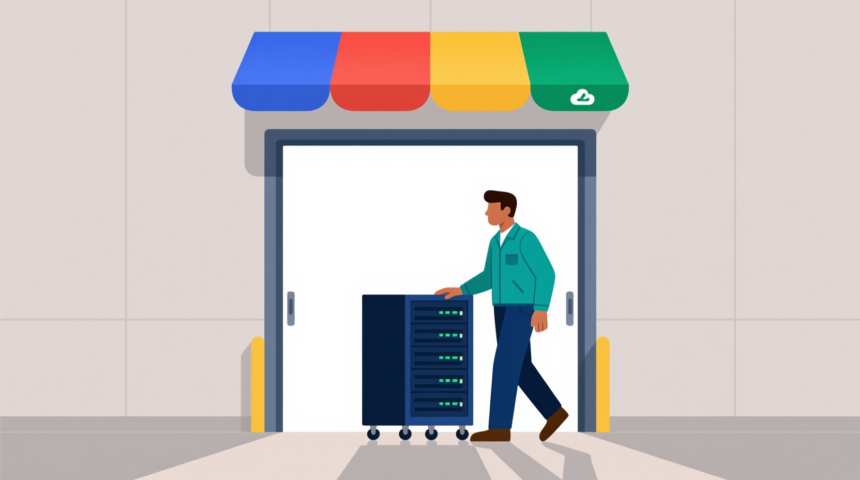
For a while now, Google Cloud has remained under the shadows of more established players in the enterprise cloud market like Amazon Web Services and Microsoft Azure. But with the acquisition of Bebop and subsequent elevation of Diane Greene, the founder and former CEO of VMWare as the senior Vice President of Google Cloud, there appears to be a rejuvenated interest among industry observers about the emergence of an yet another able rival to AWS.

The company has shown impressive growth in this segment in recent times. Although the market share of Google Cloud is a low 4 percent compared to AWS’ 31% share, the growth rate has been higher at 108% for Google as against 63% for AWS. Google has also signed on some new high profile clients like Spotify in recent times. Most significantly, there have been reports that Apple has partially moved some of the iCloud services from AWS to Google Cloud in order to reduce their reliance on Amazon.

If the induction of Diane Greene with a whopping $380 million acquisition is not enough indication of the company’s renewed focus on the enterprise cloud segment, Google also recently organized their first cloud platform event GCP Next at San Francisco where the company reached out to a global user base with dozens of technical events. The company is already engaged in a bitter battle with Microsoft in the enterprise apps segment and with focus now shifting to the enterprise cloud, the competition is likely to heat up here as well.

But this alone is not enough to trigger an enterprise cloud boom. There is an equally aggressive pull from enterprises looking towards cloud migration. This has been brought about by an increased awareness of the benefits of cloud computing and the availability of tangible ‘case studies’ from other enterprise players on how they have successfully adopted cloud to help their business needs. More importantly, businesses are starting to understand the hidden costs associated with the lack of cloud adoption. One recent study valued the average cost of a downtime at $140,000 per incident. Migration to the cloud mitigates such expensive downtime costs to organizations.

More Read

3 Reasons the Internet of Things Will Impact ITSM
World Series Analytics
How to Use Pivot Tables to Mine Your Data
How to Get Started in the Cloud
Irony and WordPress.com advertising

For a lot of businesses, the challenges surrounding cloud adoption are primarily with respect to privacy and security. This concern shall not be going away any time soon. However, with enterprise cloud becoming mainstream, end-customers have come to understand the risks associated with third party service providers which includes the customers of enterprise cloud services like Azure, AWS and GCP. These customers today understand that the risks associated with working with an enterprise whose data is on the cloud are about the same as using Gmail for business or Dropbox for enterprise file sharing.

With greater acknowledgment of the risks among end-customers, enterprise customers are in a position today to evaluate the cloud migration process purely from a financial perspective. Enterprise cloud enables customers to make their products more affordable. At the same time, cloud has sufficient checks and balances to handle challenges and reduce costs; including those relating to downtimes.

Google is getting aggressive on their Cloud platform at the right time when enterprise customers are ready to take the plunge. This push from Google and the pull from customers is likely to trigger an influx that will make enterprise cloud the norm over the next few years. What are your thoughts?

 
Share This Article
Facebook Pinterest LinkedIn
Share
ByAnand
Follow:
Anand Srinivasan is the founder of Hubbion, a suite of business apps. The Hubbion Project Management app was ranked among the top 20 in its category for 2017 by Capterra.

Follow us on Facebook

Latest News

How Search Engine Indexing Lags Behind Large-Scale Website Domain Migrations -- AI-generated illustration
How Search Engine Indexing Lags Behind Large-Scale Website Domain Migrations
News
How Great Content Moves Through A Marketing Ecosystem -- AI-generated illustration
How Great Content Moves Through A Marketing Ecosystem
Exclusive Infographic Marketing
What Your Brand Misses That Data Reveals -- AI-generated illustration
What Your Brand Misses That Data Reveals
Big Data Exclusive Infographic
5 Common Mistakes Businesses Make During the Risk Assessment Process -- AI-generated illustration
5 Common Mistakes Businesses Make During the Risk Assessment Process
Business Intelligence Exclusive Risk Management

Stay Connected

1.2KFollowersLike
33.7KFollowersFollow
222FollowersPin

You Might also Like

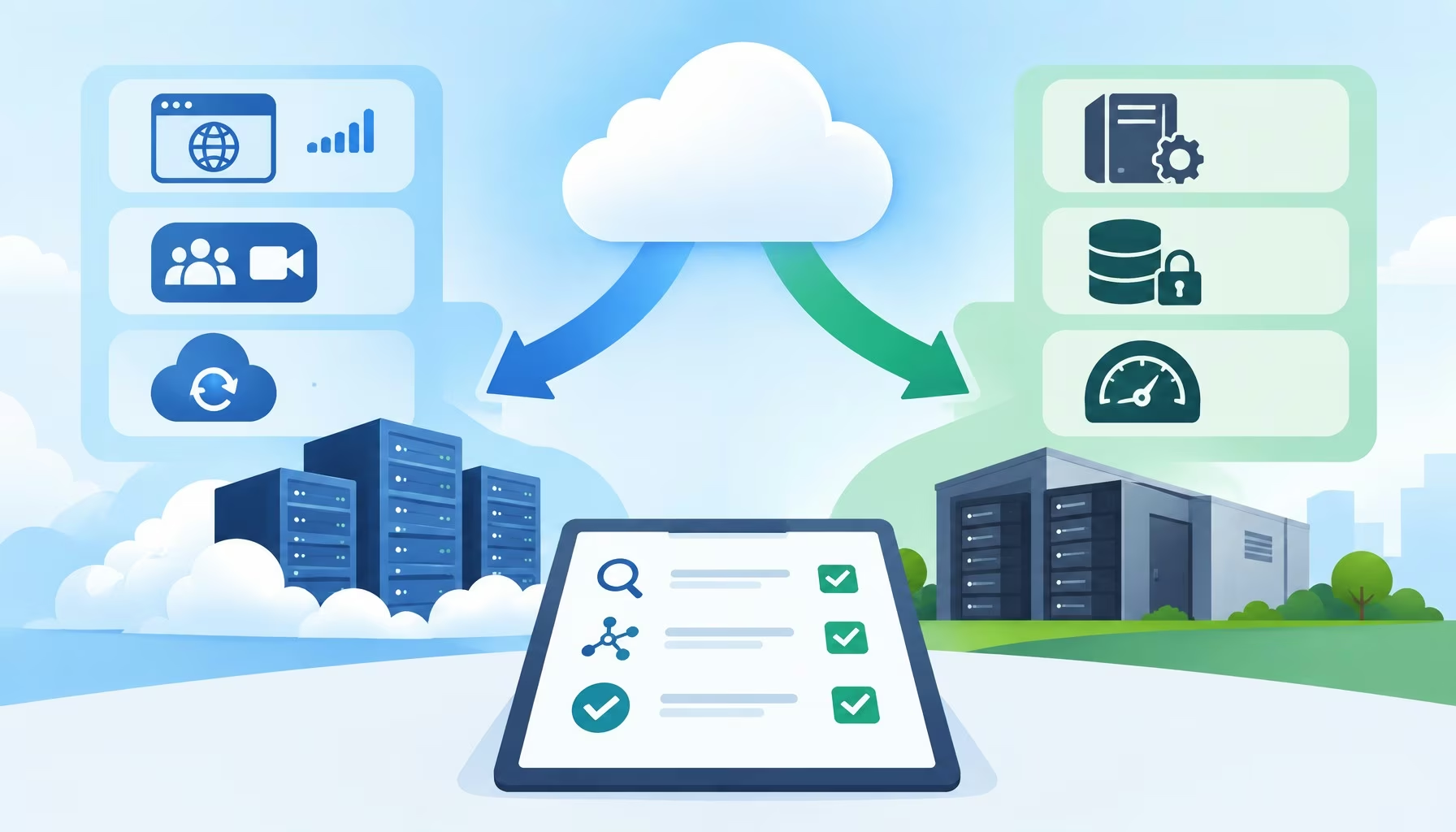
Key Benefits of Leasing vs. Building a Data Center
Data Warehousing

Key Benefits of Leasing vs. Building a Data Center

5 Min Read
What Makes Dell’s VoC Program So Great?
Best PracticesCRMSocial Data

What Makes Dell’s VoC Program So Great?

2 Min Read

Comparing and Contrasting Analytics Types

4 Min Read
Data = Opportunity: But Are You Monetizing Information?
AnalyticsBig DataBusiness IntelligenceData ManagementITSoftware

Data = Opportunity: But Are You Monetizing Information?

7 Min Read

SmartData Collective is one of the largest & trusted community covering technical content about Big Data, BI, Cloud, Analytics, Artificial Intelligence, IoT & more.

How To Get An Award Winning Giveaway Bot
Big Data Chatbots Exclusive
Chatbots and SEO: How Can Chatbots Improve Your SEO Ranking?
Artificial Intelligence Chatbots Exclusive

Quick Link

  • About
  • Contact
  • Privacy
Follow US
© 2008-26 SmartData Collective. All Rights Reserved.
Welcome Back!

Sign in to your account

Username or Email Address
Password

Lost your password?