The $4 billion online retailer Wayfair reached fantastic quarterly results in 2015, which took investors by surprise and boosted shares more than 20 percent. But to some money managers it came as no surprise; they had been mining “big data,” especially the deluge of downloads of Apple Store’s app from Wayfair — and had made their investment strategies accordingly.
This kind of valuable data comes from boutique sites that provide a wide spectrum of data; everything from satellite images to social media buzz. One example is Thinknum, which is providing money managers with the kind of information that only “insider” traders used to be able to get.
It’s all about the increasingly easy availability of global data, which can be fed into algorithms that give right-on-the-money predictions of potential profits and losses in the future. It’s the closest thing investors have ever had to a crystal ball.
Traditionally investors and managers have relied on economic reports, executive meetings, earning calls, and quarterly results for the economic forecasts. But analysis of non-traditional big data is becoming of increasing importance.

This information explosion that’s called big data is truly a revolution. Deutsche Bank estimates that there are now over 1 billion websites, and more than 10 trillion single web pages, adding up to over 500 “exabytes” of minable data. For those who can’t count that high, an exabyte is 1 million terabytes, or 1 billion gigabytes. It is estimated that more than 100 million new websites go online each year.
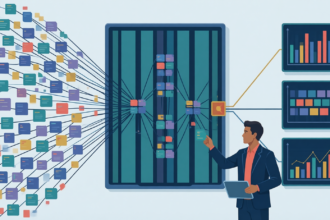
Previously asset managers and others in the financial sector would send out someone like a junior analyst to scope out shopping malls or auto dealers for customer traffic estimates. This was considered innovative and aggressive. Today the huge amount of data online available for extrapolation and interpretation makes that kind of stuff penny ante. Today’s computing power and algorithmic number crunching chew up mountains of data in seconds to produce predictions and analyzed graphs.
In a recent report, Deutsche Bank analyzers said that the very size of big data is making it difficult for investment managers to handle. They go on to say the portfolio managers that take the time to really understand its implications will reap handsome financial rewards.
As an example of effective big data mining, there are now hedge fund managers using satellite imaging to discover the true vitality of the Chinese economy — since official Chinese data is questionable. An advanced algorithm can take satellite shots and scan them for a real-time impression of how the economy is building or diminishing.
To gauge China’s manufacturing ability, the U.S. company SpaceKnow recently created a China Satellite Manufacturing Index. It takes over a billion single satellite photographs over a 500 thousand square kilometer area of China, focusing on 6 thousand industrial complexes in order to measure and gauge current Chinese manufacturing activities.
A Washington, D.C., company called VogelHood puts together massive amounts of federal and lobbyist reports to give investment bankers the raw data and red tape-swathed reports that indicate given outcomes of acquisitions and mergers, as well as the probable names of those who bag government contracts. Company founder Alex Vogel says that firms that lobby the most often get the best contracts.
CargoMetrics, a Boston-based company, originally used satellite images plus shipping data to grind out information on the global trade situation for commodity traders — but when they saw how successful this kind of big data mining was, they decided to set up their own hedge fund using their own analytics.
Another company, Eagle Alpha, partners with transport and logistics organizations to discover import and export patterns for twelve major consumer nations by mining the data from individual invoices. This information is made available long before any official monthly reports are ready. Emmett Kilduff, who set up the company after leaving Morgan Stanley, says the possibilities are endless for the investment industry to gain better knowledge of financial risk and possibilities through effectively mining big data.
To quote Mr. Zhen: “The finance industry is going to find out very soon that big data mining is where their maximum profits are coming fro