Cookies help us display personalized product recommendations and ensure you have great shopping experience.

By using this site, you agree to the Privacy Policy and Terms of Use.
Accept
SmartData CollectiveSmartData Collective
  • Analytics
    AnalyticsShow More
    predictive analytics risk management
    How Predictive Analytics Is Redefining Risk Management Across Industries
    7 Min Read
    data analytics and gold trading
    Data Analytics and the New Era of Gold Trading
    9 Min Read
    composable analytics
    How Composable Analytics Unlocks Modular Agility for Data Teams
    9 Min Read
    data mining to find the right poly bag makers
    Using Data Analytics to Choose the Best Poly Mailer Bags
    12 Min Read
    data analytics for pharmacy trends
    How Data Analytics Is Tracking Trends in the Pharmacy Industry
    5 Min Read
  • Big Data
  • BI
  • Exclusive
  • IT
  • Marketing
  • Software
Search
© 2008-25 SmartData Collective. All Rights Reserved.
Reading: Big Data Accountability (Part 1)
Share
Notification
Font ResizerAa
SmartData CollectiveSmartData Collective
Font ResizerAa
Search
  • About
  • Help
  • Privacy
Follow US
© 2008-23 SmartData Collective. All Rights Reserved.
SmartData Collective > Data Management > Best Practices > Big Data Accountability (Part 1)
Best PracticesBig DataCulture/LeadershipData ManagementPolicy and Governance

Big Data Accountability (Part 1)

Datafloq
Datafloq
4 Min Read
Data accountancy
SHARE
Data accountancyAccountancy within organizations has been around practically since the existence of organizations itself. As long as we can recall, we have kept track of what happened within an organization, or in the old days while farming or herding.
Data accountancyAccountancy within organizations has been around practically since the existence of organizations itself. As long as we can recall, we have kept track of what happened within an organization, or in the old days while farming or herding. The earliest records of accounting data go back to 7,000 years ago, from the ruins of Babylon, where the growth of crops and herds were recorded. Since then, accountancy has evolved into an entire industry that helps organizations understand their resources and determine the correct value of their assets and liabilities. 
 

With the new era of big data, a new era of accountancy is required: data accountancy or data accountability. One that is able of handling high volumes of a variety of data that has to be checked and controlled whether it is correct or not, with extensive and smart algorithms that perform incredible analyses within a fraction of a second and that provide predictions and visualizations that are used to define the course of an organization that will affect many stakeholders.

With so much data within an organization it is extremely important for organizations that the data they generate, store and analyze is 100% correct. With information-centric organizations that base their decisions on algorithms, it is fundamental that the algorithms and their (predictive) analyses are accurate. But who is qualified of checking and controlling thousands of Petabytes of data or extensive and really complex algorithms that improve over time? How do we ensure that consumer data is kept secure, private and is not abused? How do we ensure that the predictions made are based on the right variables? How do we know that green is really green and not perhaps red?

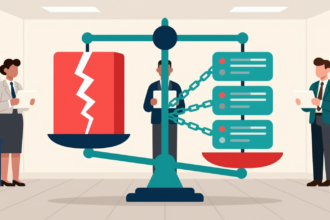
The era of big data will oblige a new form of auditing and control, of checks-and-balances and perhaps as well of quality labels for organizations. An ISO for big data? It could result in a completely new industry being developed next to and part of the global big data industry that is being formed in the coming years. Especially when organizations start to place big data on the balance sheet after they have determined the ROI, auditing or regulating organizations will pay very close attention to how the data is stored, collected, analyzed and visualized as it could make or break an organization.

There are three pillars belonging to big data accountability: the data itself, the algorithms and the auditors responsible for the checks and balances. In the next post, I will discuss these in more detail and give insight in how organizations have to deal with big data accountability.

Copyright Big Data Startups 2013. You may share using our article tools. Please don’t cut articles from BigData-Startups.com and redistribute by email or post to the web.

(Data accountancy / shutterstock)

TAGGED:data accountabilitydata accountancy
Share This Article
Facebook Pinterest LinkedIn
Share

Follow us on Facebook

Latest News

street address database
Why Data-Driven Companies Rely on Accurate Street Address Databases
Big Data Exclusive
predictive analytics risk management
How Predictive Analytics Is Redefining Risk Management Across Industries
Analytics Exclusive Predictive Analytics
data analytics and gold trading
Data Analytics and the New Era of Gold Trading
Analytics Big Data Exclusive
student learning AI
Advanced Degrees Still Matter in an AI-Driven Job Market
Artificial Intelligence Exclusive

Stay Connected

1.2kFollowersLike
33.7kFollowersFollow
222FollowersPin

You Might also Like

Cryptocurrency blockchain for prevention to accounting fraud
Best PracticesBlockchainBusiness IntelligenceExclusiveITRisk ManagementSecurity

Could Cryptocurrency Be the Answer to Accounting Fraud?

7 Min Read

SmartData Collective is one of the largest & trusted community covering technical content about Big Data, BI, Cloud, Analytics, Artificial Intelligence, IoT & more.

AI and chatbots
Chatbots and SEO: How Can Chatbots Improve Your SEO Ranking?
Artificial Intelligence Chatbots Exclusive
data-driven web design
5 Great Tips for Using Data Analytics for Website UX
Big Data

Quick Link

  • About
  • Contact
  • Privacy
Follow US
© 2008-25 SmartData Collective. All Rights Reserved.
Go to mobile version
Welcome Back!

Sign in to your account

Username or Email Address
Password

Lost your password?