
We use cookies, including third-party cookies from Google to serve personalized ads through AdSense, to operate this site and understand how it is used. By continuing to browse, you accept this use. See our Privacy Policy and Terms of Use for details, including how to opt out of personalized advertising.
Accept
SmartData CollectiveSmartData Collective
  • Analytics
    AnalyticsShow More
    What Kind of Problem-Solving Distinguishes Data Analysts From Software Engineers -- AI-generated illustration
    What Kind of Problem-Solving Distinguishes Data Analysts From Software Engineers
    7 Min Read
    chatgpt image jul 21, 2026, 04 34 30 pm
    4 Core Benefits of Predictive Maintenance after Vibration Analysis
    10 Min Read
    How Does Data Mining Boost Customer Satisfaction in Logistics? Harnessing Analytics for Results -- AI-generated illustration
    How Does Data Mining Boost Customer Satisfaction in Logistics? Harnessing Analytics for Results
    11 Min Read
    chatgpt image jul 13, 2026, 04 23 45 pm
    How Data Analytics Helps Companies Improve User Engagement
    19 Min Read
    chatgpt image jul 13, 2026, 03 59 46 pm
    How Data Analytics Improves Multi-Location Search Strategies
    10 Min Read
  • Big Data
  • BI
  • Exclusive
  • IT
  • Marketing
  • Software
Search
© 2008-25 SmartData Collective. All Rights Reserved.
Reading: Artificial Intelligence, Business, And Our Future Job Security
Share
Notification
Font ResizerAa
SmartData CollectiveSmartData Collective
Font ResizerAa
Search
  • About
  • Help
  • Privacy
Follow US
© 2008-23 SmartData Collective. All Rights Reserved.
SmartData Collective > Business Intelligence > Artificial Intelligence > Artificial Intelligence, Business, And Our Future Job Security
Artificial Intelligence

Artificial Intelligence, Business, And Our Future Job Security

Philip Piletic
Philip Piletic
5 Min Read
Artificial Intelligence, Business, And Our Future Job Security
Illustration generated with Qwen Image.
SHARE

There’s something both beautiful and frightening about the slow loss of the human element in the business sector, future job security changes, and its looming inevitability. Humankind has been dreaming of the day when our intervention in the monotony of the daily grind becomes a thing of the past for nearly as long as we’ve been capable of crafting stories.

Contents
  • AI implementation is ahead of the curve, but we’re still behind
  • Future business structure in an AI-heavy timeline

Yet when it comes to predicting just how wildly the business sector will change, we seem to have a recurring problem with nailing down just how wide-reaching and sudden those changes can be.

AI implementation is ahead of the curve, but we’re still behind

We keep assuming the introduction of artificial intelligence (AI) into our professional lives is something for our grandchildren to worry about, but that’s almost certainly not the case. In fact, 54 percent of polled executives have reported a noticeable increase in productivity due to the implementation of AI into existing businesses and those numbers are only going to rise as time goes on.

It almost seems as if we only believe in the existence of an artificial workforce if we see a metal chassis stomping across a warehouse floor, which is certainly in tune with our sci-fi dreams of the future, but predictive analytics and artificial intelligence put to task in the field of sorting and processing huge swaths of data have already entered the business sector, with around 61 percent of businesses having already brought AI to their workplace.

More Read

Digital artificial intelligence text hologram 3D rendering
Can Integrating Kronos Resolve Concerns About Bias in AI Development
5 Ways Big Data Is Transforming the Medical Field
We All Now Work for Software Companies: The Lines Just Keep Blurring
How to Choose Between Cognos and WebFOCUS?
Revenue Models for AI-Powered Mobile Apps

The world certainly isn’t ending and the sky isn’t falling, yet all the news sector seems to want to focus on is how a robot will eventually take away jobs from those with hands and a willingness to work. Some issues can’t be boiled down to such simple bylines without losing the finer nuances of the reality of the situation. We’re not currently in a place where AI replaces the most vital human elements, but rather works to reduce the need for humans to perform rote tasks and menial labor.

Machine learning is to thank for why certain business structures exist and function as smoothly as they do, plain and simple. Ridesharing companies and major banks alike have machines to thank for traffic algorithms and credit fraud detection, both vital parts of each respective business’ daily operations that could be handled by a human, yet are much better suited to automated solutions. Insurance technology is improving with AI as available vehicle sensor data and human reports come together to make more emotionally neutral calls on incidents that could alter coverage and available policies.

We’re no longer years removed from an AI-intertwined future. If anything, we’re several years slow when it comes to realizing and adapting to those changes.

Future business structure in an AI-heavy timeline

Our slow rate of AI adaption and a deep misunderstanding of how to leverage available resources into machine-friendly applications seems to only be on the rise. When less than a quarter of businesses with AI components manage to push the advantages of AI due to an unstructured or uncertain approach to the future, it makes one wonder just how long it may take to correct how we perceive and apply machine learning properly.

Not all of our current misunderstandings rest in simple uncertainty, however, as some markets and minds are simply afraid of what AI will bring for national economies as a whole. With at least five distinct schools of thought offering a gamut of potential outcomes, fear seems almost inevitable.

It’s entirely possible that global GDPs will spike and dip unexpectedly as we develop new technologies. Suffering through periods of strange market momentum is just a part of putting new information to use. Growing pains will happen, but they’re temporary. Adoptions rates are rising and those who fail to look past the uncertainty of new options in existing marketplaces, as well as new marketplaces as a whole, are almost certain to be left behind.

The future of automation is nearly upon us and we’re overdue in putting it to good use. It’s time to prepare ourselves and dive right in.

TAGGED:AIartificial intelligencebusinessbusiness intelligencefuture trendsindustry trendsmachine learning
Share This Article
Facebook Pinterest LinkedIn
Share
ByPhilip Piletic
Follow:
My primary focus is a fusion of technology, small business, and marketing. I’m a writer, marketing consultant and guest author at several authority websites. In love with startups, the latest tech trends and helping others get their ideas off the ground. You can find me on LinkedIn.

Follow us on Facebook

Latest News

Flat editorial illustration: The article is about replacing informal co-located management with deliberate asynchronous workflows
Managing a Software Development Dedicated Team Across Time Zones
Development Exclusive Software
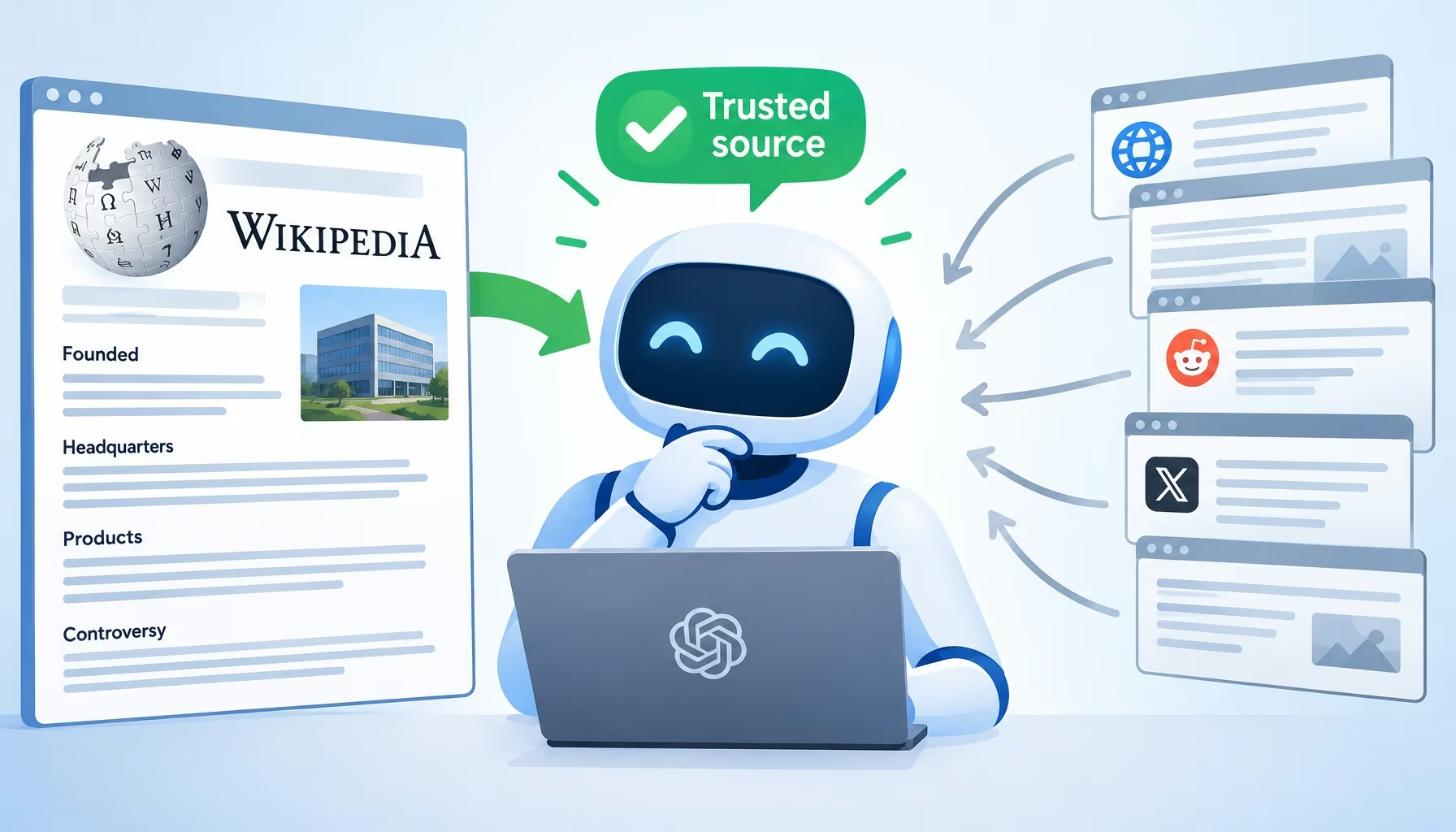
Technical architecture diagram and decision framework for wikipedia editing services and ai training data: why llms still treat wikipedia as a source of truth
Wikipedia Editing Services and AI Training Data: Why LLMs Still Treat Wikipedia as a Source of Truth
Artificial Intelligence Exclusive
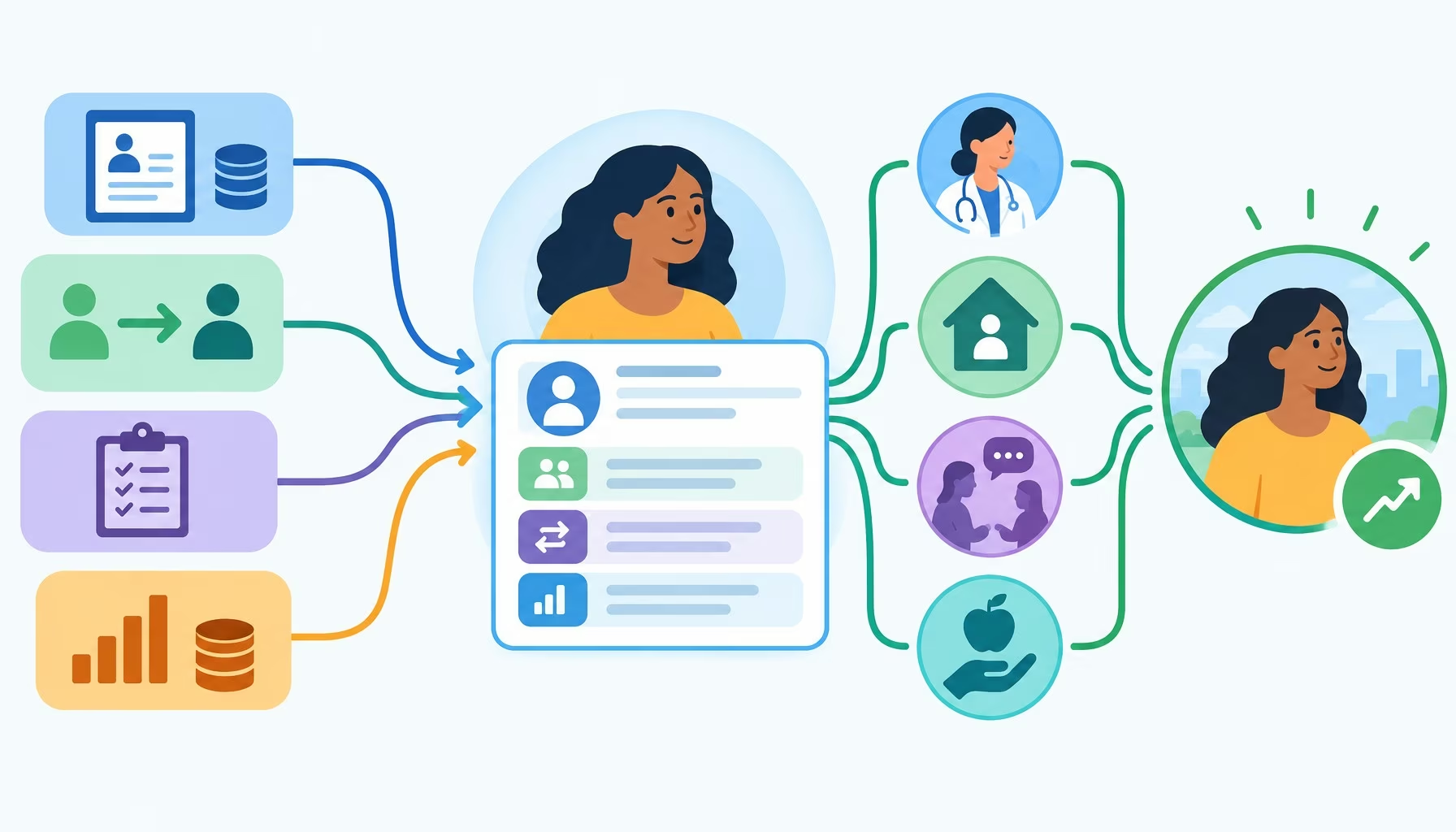
Flat editorial illustration: The article connects fragmented social-service records through shared pathways and selective informa
Turning Disconnected Information Data Into Better Social Service Outcomes
Big Data
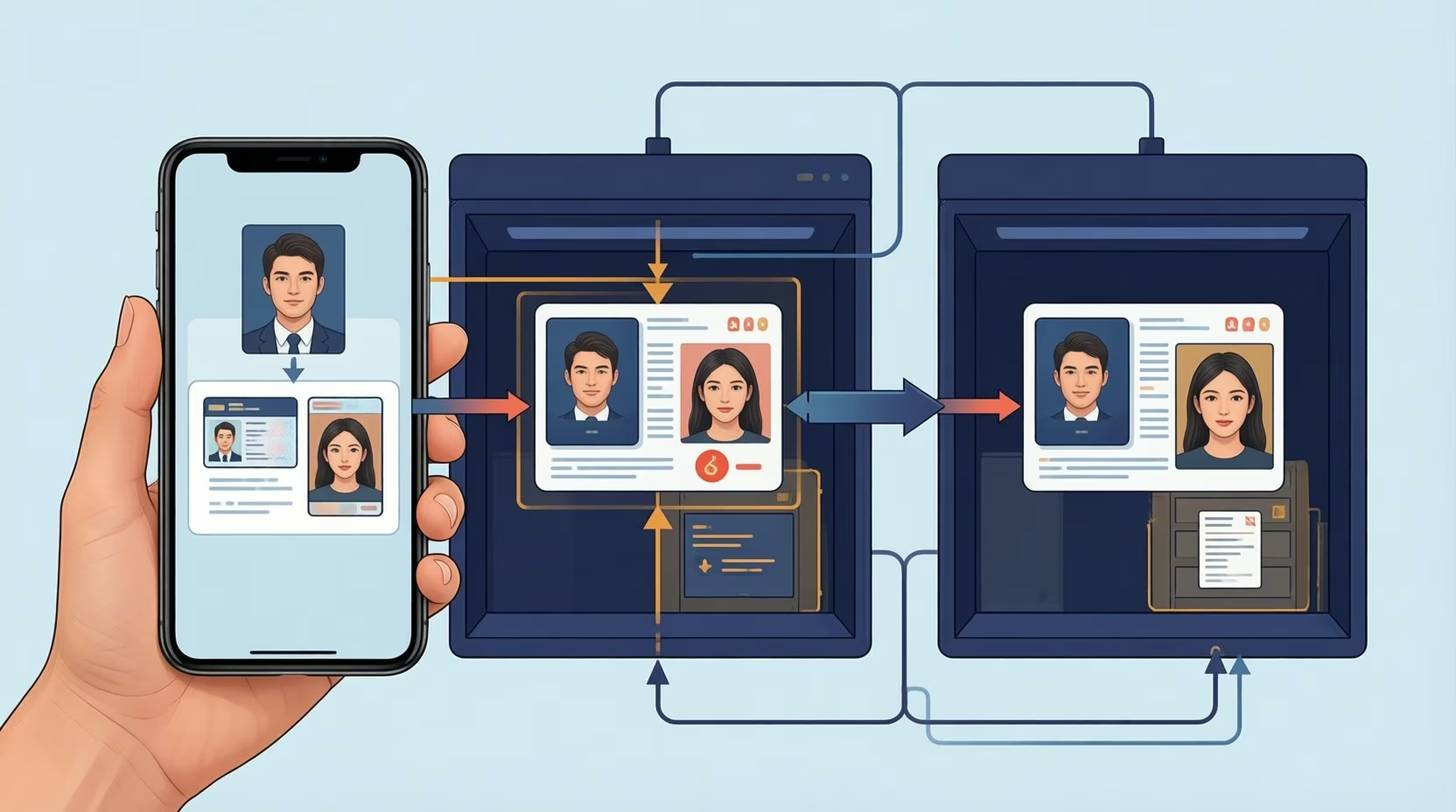
Flat editorial illustration: The article explains how one KYC upload becomes separate records held by a verification vendor and a
What Happens to My KYC Data Behind the Approval Screen?
Big Data Exclusive

Stay Connected

1.2KFollowersLike
33.7KFollowersFollow
222FollowersPin

You Might also Like

big data and client communication
Big DataExclusive

4 Ways Big Data And Client Communication Technology Help Companies

6 Min Read
Why AI Is Important for Automating Travel Policy Compliance
Artificial Intelligence

Why AI Is Important for Automating Travel Policy Compliance

11 Min Read
How Companies are Meeting the Big Data Skills Challenge
Big DataWorkforce Data

How Companies are Meeting the Big Data Skills Challenge

5 Min Read
artificial intelligence in banking industry
Artificial Intelligence

How Do Banks and Other Financial Institutions Benefit from AI

8 Min Read

SmartData Collective is one of the largest & trusted community covering technical content about Big Data, BI, Cloud, Analytics, Artificial Intelligence, IoT & more.

Chatbots and SEO: How Can Chatbots Improve Your SEO Ranking?
Artificial Intelligence Chatbots Exclusive
The Art of Conversation: Enhancing Chatbots with Advanced AI Prompts
Chatbots

Quick Link

  • About
  • Contact
  • Privacy
Follow US
© 2008-26 SmartData Collective. All Rights Reserved.
Welcome Back!

Sign in to your account

Username or Email Address
Password

Lost your password?