Choosing an AI visibility agency starts with identifying the problem you need it to solve. A brand may be missing from relevant answers, described inaccurately, or supported by content that leaves buyers’ questions unanswered. Those problems call for different combinations of research, technical work, content development, and measurement.
- 1. SearchTides
- 2. iPullRank
- 3. First Page Sage
- 4. Omniscient Digital
- Comparison Table: Key Deployments Compared
- Frequently Asked Questions
- Which agency fits a large, fragmented content library?
- Can an agency work with an existing content team?
- What should an AI visibility report measure?
- Match the proposal to the visibility gap
This shortlist compares four AI visibility agencies for brands planning their 2026 search programs. It draws on each company’s published service descriptions, not comparative performance testing. The order is editorial, and suitability assessments reflect the work each agency describes. None of these descriptions establishes guaranteed placement in AI-generated answers.
SearchTides, iPullRank, First Page Sage, and Omniscient Digital are four AI visibility agencies worth considering for 2026 search programs. This editorial shortlist compares their published service descriptions across brand diagnosis, technical content systems, expertise-led publishing, and B2B organic growth. Match proposed deliverables to your visibility problem; the order does not establish comparative performance or guaranteed placement in AI-generated answers.
- Match the agency to a specific visibility problem before commissioning more content.
- Compare proposed deliverables and measurement scope alongside the agency's service terminology.
- Separate answer visibility from evidence of leads, revenue, and business outcomes.
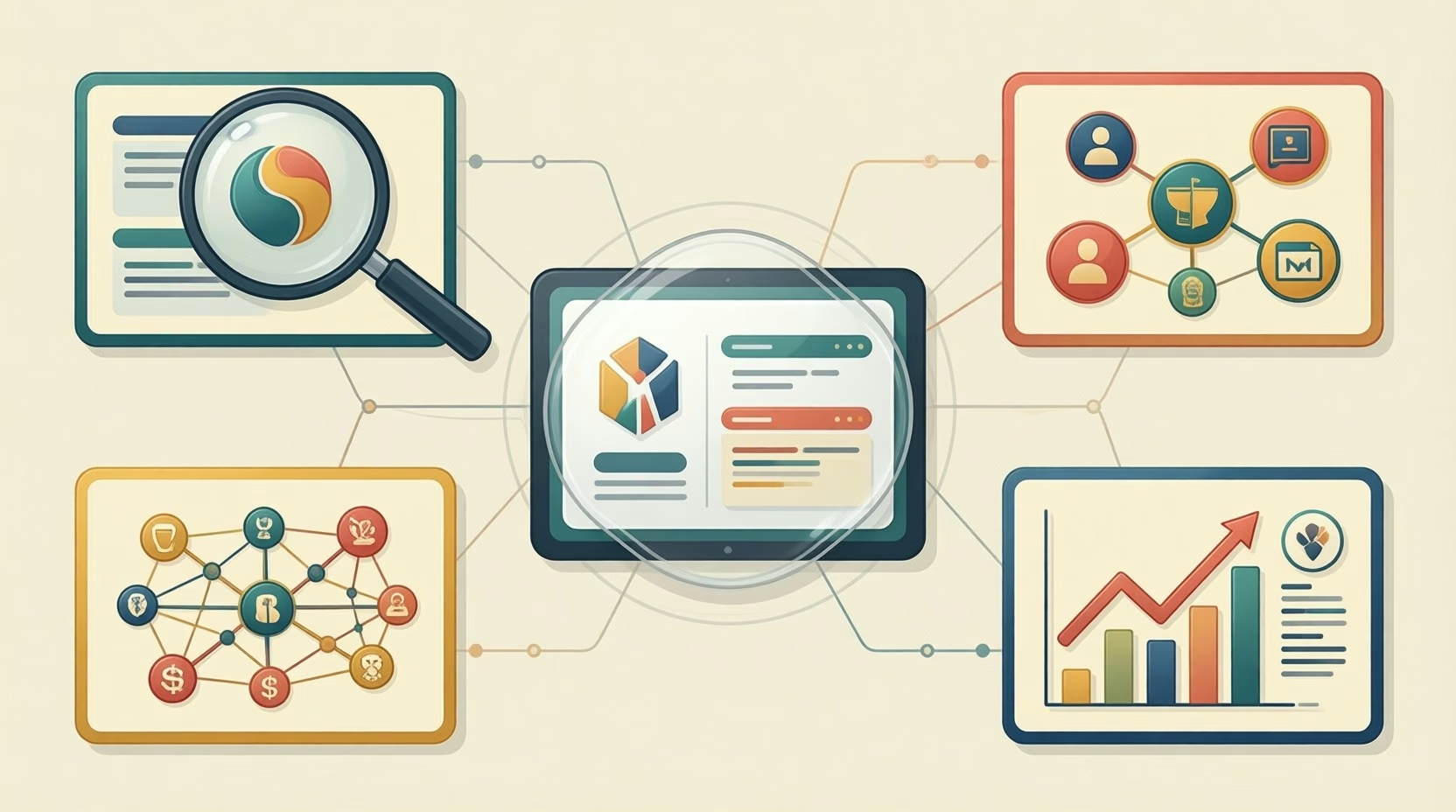
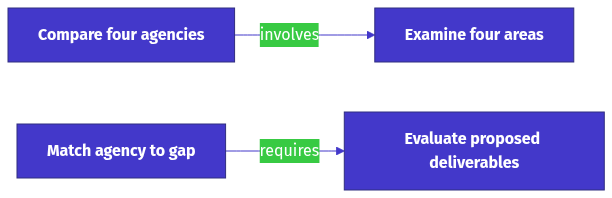
AI visibility concerns whether and how a brand appears in generated answers, citations, and recommendations. The agencies use terms including answer engine optimization (AEO) and generative engine optimization (GEO). For comparison, examine four areas: diagnosis, content and technical structure, external authority, and the AI environments included in measurement. A proposal should make each area concrete enough to evaluate.
A company can rank prominently for a category term and still be absent from an AI-generated comparison if its positioning is unclear, its public descriptions conflict, or there is limited supporting evidence connecting it to that category.
Diana Hope, SmartDataCollective1. SearchTides
SearchTides helps brands win visibility in answer engines and organic search by aligning positioning, clarity, and structure for the AI-driven buying era. Its approach focuses on how AI systems classify, interpret, and recommend a brand, making it particularly relevant when a company is being misrepresented, overlooked, or weakly differentiated in AI-generated answers.
The company’s AI visibility audit description provides a concrete measurement example: test discovery and buying questions, track brand and competitor mentions in Google AI Overviews, and calculate the proportion of tested answers that feature the brand. That percentage describes performance within the selected question set. It should not be read as a measure of every answer a potential buyer might receive.
The same service description covers technical structure, content formatting, and relationships between brand entities. SearchTides gives the example of a flagship product with its own description and official website, connected to the company. This makes the identity work tangible: the product and its parent business need distinct, coherent descriptions.
Our editorial assessment favors SearchTides for teams that need to investigate how their brand is represented before commissioning more content. A useful proposal would specify the buying questions tested, the AI environments covered, and how omissions or incorrect descriptions become prioritized work. The published AI Overviews measurement example is a starting point for that discussion, not proof of identical coverage across every answer engine.
2. iPullRank
iPullRank describes AI search programs spanning strategy, content, technical optimization, and measurement. Its stated scope includes the wider web content ecosystem, extending beyond a company’s own website. That makes coordination across content and technical teams central to evaluating its offer.
More Read
The agency distinguishes two parts of its approach. According to its Relevance Engineering service page, Relevance Engineering covers technical data, research, audits, and strategy focused on AI behavior. Resonance Design addresses the human audience, including the trust that can encourage someone to contact or buy from a business. These are iPullRank’s service concepts, not standardized performance measures.
Its content engineering description also addresses sprawling company content: establishing where material lives, what it does, and how it performs. For a large organization, that inventory can help define the assignment. An agency engagement might need to address existing material across multiple locations before adding new publishing work.
Our editorial assessment places iPullRank on the shortlist for organizations with substantial content estates and intertwined technical and editorial needs. During selection, ask what the engagement produces: an inventory, consolidation decisions, structural changes, new content, or some combination. Those deliverables make the proposed work easier to assess than a broad promise of improved relevance.
3. First Page Sage
First Page Sage’s AEO service description centers on analyzing how prospective customers use answer engines and finding gaps where a company’s expertise is absent. The agency says it creates website content intended to make answer engines more likely to recommend the client’s products and services.
Its B2B content service explains the production relationship behind that offer. First Page Sage says it works with an internal point person to develop material demonstrating the company’s expertise, including branded technical ghostwriting for complex industries. That arrangement makes access to knowledgeable client staff part of the work, even when writing is outsourced.
The agency also describes strategy and oversight for companies with established in-house content teams. Buyers can therefore compare two different needs: outside production capacity and specialist direction for writers already on staff. The appropriate engagement depends partly on which capability the business lacks.
Our editorial assessment favors First Page Sage when the main gap is turning internal knowledge into buyer-facing content. A technical business should clarify who supplies expertise, who checks factual accuracy, and how identified answer-engine gaps inform the publishing plan. The service descriptions support an expertise-led content approach; they do not establish that publishing a given page will secure an AI recommendation.
4. Omniscient Digital
Omniscient Digital positions itself as an organic growth agency for B2B brands, combining content, SEO, and AI search. Its strategy service describes buyer, product, and channel research leading to a content roadmap, optimization plan, technical analysis, and AI search roadmap.
Those outputs address connected decisions: which topics to target, which content to create or update, and which technical issues need attention. The agency describes its objective as converting traffic and visibility into qualified leads and customers. That is its stated commercial aim, not an independently verified outcome for a prospective client.
Its content production service draws on product strategy, subject-matter expertise, brand perspective, and desired return timelines. Omniscient says its content incorporates expert quotations from interviews it conducts. Its broader SEO program description also includes content and backlink production, giving buyers an external-authority component to discuss alongside owned content.
Our editorial assessment favors Omniscient for B2B teams seeking one coordinated organic growth program. The selection question is how the proposed roadmap allocates resources among new material, updates, technical changes, and authority building. For a company already publishing regularly, that allocation may be more useful than a proposal organized solely around monthly article volume.
Comparison Table: Key Deployments Compared
| Agency | Published service focus | Content and technical work described | Editorial fit assessment | Proposal details to clarify |
|---|---|---|---|---|
| SearchTides | How AI systems classify, interpret, and recommend a brand. | Brand visibility audits, technical structure, content formatting, and relationships between brand and product entities. | Teams investigating missing, inaccurate, or weakly differentiated brand representation before commissioning more content. | Questions tested, AI environments covered, and how omissions or inaccuracies become prioritized work. Its published measurement example covers Google AI Overviews. |
| iPullRank | AI search strategy, content, technical optimization, and measurement across the wider web content ecosystem. | Technical data, research, audits, and strategy; locating company content and evaluating its purpose and performance. | Organizations with substantial content libraries and connected technical and editorial needs. | Whether deliverables include an inventory, consolidation decisions, structural changes, new content, or a combination. |
| First Page Sage | Analyzing prospective customers’ answer-engine use and identifying gaps in a company’s published expertise. | Website content, technical ghostwriting with an internal point person, and strategy and oversight for existing content teams. | Teams needing to turn internal knowledge into buyer-facing content. | Who supplies expertise, who verifies factual accuracy, and how answer-engine gaps guide publishing; outside production versus direction for internal writers. |
| Omniscient Digital | B2B organic growth combining content, SEO, and AI search. | Topic targeting, content creation or updates, and identification of technical issues; production informed by product strategy and subject-matter expertise. | B2B teams seeking one coordinated organic growth program. | How the proposed roadmap allocates resources across content, SEO, and AI search. |
Frequently Asked Questions
Which agency fits a large, fragmented content library?
iPullRank is a relevant candidate because its content engineering service explicitly addresses locating, consolidating, and evaluating sprawling company content. This is an editorial fit assessment, not evidence that it will outperform the other agencies.
Can an agency work with an existing content team?
Yes. First Page Sage explicitly describes strategy and oversight for companies with strong in-house teams. Define which responsibilities remain internal, including expert input, drafting, review, and implementation.
What should an AI visibility report measure?
A useful proposed report would identify tested questions, AI environments, brand mentions, citations, and inaccurate descriptions. SearchTides’ published example measures brand presence in tested AI Overviews. Keep that visibility measure separate from reporting on leads or revenue.
Match the proposal to the visibility gap
Give shortlisted agencies the same brief: the buying questions that matter, current content constraints, known representation problems, and required reporting coverage. Compare how each proposal diagnoses the problem and assigns work across content structure, technical changes, and external authority. The most useful choice is the agency whose documented scope addresses that brief with clear deliverables and an agreed method of measurement.