We use cookies, including third-party cookies from Google to serve personalized ads through AdSense, to operate this site and understand how it is used. By continuing to browse, you accept this use. See our Privacy Policy and Terms of Use for details, including how to opt out of personalized advertising.
Accept
SmartData CollectiveSmartData Collective
  • Analytics
    AnalyticsShow More
    What Kind of Problem-Solving Distinguishes Data Analysts From Software Engineers -- AI-generated illustration
    What Kind of Problem-Solving Distinguishes Data Analysts From Software Engineers
    7 Min Read
    chatgpt image jul 21, 2026, 04 34 30 pm
    4 Core Benefits of Predictive Maintenance after Vibration Analysis
    10 Min Read
    How Does Data Mining Boost Customer Satisfaction in Logistics? Harnessing Analytics for Results -- AI-generated illustration
    How Does Data Mining Boost Customer Satisfaction in Logistics? Harnessing Analytics for Results
    11 Min Read
    chatgpt image jul 13, 2026, 04 23 45 pm
    How Data Analytics Helps Companies Improve User Engagement
    19 Min Read
    chatgpt image jul 13, 2026, 03 59 46 pm
    How Data Analytics Improves Multi-Location Search Strategies
    10 Min Read
  • Big Data
  • BI
  • Exclusive
  • IT
  • Marketing
  • Software
Search
© 2008-25 SmartData Collective. All Rights Reserved.
Reading: 4 Ways Big Data Will Make You Happy
Share
Notification
Font ResizerAa
SmartData CollectiveSmartData Collective
Font ResizerAa
Search
  • About
  • Help
  • Privacy
Follow US
© 2008-23 SmartData Collective. All Rights Reserved.
SmartData Collective > Big Data > 4 Ways Big Data Will Make You Happy
Big Data

4 Ways Big Data Will Make You Happy

Datafloq
Datafloq
7 Min Read
4 Ways Big Data Will Make You Happy
Illustration generated with Qwen Image.
SHARE
We are at the beginning of a data revolution, where every data source will be connected with each other and as such provide valuable insights. These insights can be used by organisations to reduce costs or increase their revenue, but it can also help in making consumers happier.
We are at the beginning of a data revolution, where every data source will be connected with each other and as such provide valuable insights. These insights can be used by organisations to reduce costs or increase their revenue, but it can also help in making consumers happier. Connecting data sources is called the semantic web and it is often quoted as the next phase of the Internet. The semantic web will allow us to easily share and re-use data across applications, communities and enterprise boundaries. The next phase will be the smart web, when techniques such as machine learning will apply smart algorithms to the semantic web. The result will be insights that can help us and make us happy. Let’s have a look at why:

Freeing Up Your Busy Mind

Information overload is a serious problem for consumers today. We have so many things to remember, we are bombarded with advertisements, email messages, Tweets, Facebook posts etc. and most of us have a large (offline or online) social network that we need to maintain and that requires us to remember a lot of different things. If we can use technology to reduce that information overload, that would make us happy, isn’t it?

As Alex Banayan writes on Huffington Post, “the more Big Data frees up our to-do lists […] the more peace-of-mind we can have”. When we have less to remember, it can free up our busy minds and allows us to focus on the things that we really care for. Being free of mind certainly makes me more happy, what about you?

The Paradox of Choice

The bombardment of information also affects our choices. When we go to the local supermarket, there is an abundance of the same products. Dozens of muesli flavours, multiple choices for milk, a wide variety of movies or series that you can watch online or multiple interesting books to download. Fortunately companies like Walmart, Netflix and Amazon have developed smart algorithms that limit our choices.

Having a wealth of choices causes us to suffer from decision-paralysis, which is called the Paradox of Choice. The effect is that we choose a product that we might regret afterwards. It causes us stress and stress most of the time is something negative. It makes us less happy. If we can overcome and prevent this negative stress with smart recommendation algorithms that suggest the right product at the right moment, this can make us happy.

A Healthy Body is a Happy Body

The right use of data and the right combination of data can make us healthy and therefore happy. Back in the 17th century, data was already used to do this. In 1663 there was an Englishman named John Graunt who was looking for information around mortality rates in London. He wanted to gain insights in the causes of deaths in order to create a warning system for the bubonic plaque. He collected this data in the book Natural and Political Observations Made upon the Bills of Mortality. The data gives great insights in the causes of death in the 17th century and indeed enabled Graunt to develop a warning system using statistical data analysis. Less people became ill and that affected the state of happiness for the people.

Today we see that data can help to stop infectious diseases, such as Ebola. It can be used to develop personalized medicines and to better track and cure diseases of any kind. There are ample examples that Big Data can really help doctors give the right treatment or medicine to the right people, which make us healthier. Healthier people are happier people.

Control Over Our Lives

One of the major trends within the Big Data is the quantified-self. The quantified self enables us, through smart gadgets, to track our lives and to collect data. Analysing this data can give us control over our lives if we know how to deal with it. If we understand why we sleep so restless or if we know why we are so tired every day (for example because we don’t exercise enough), it can make us happier because we feel better.

Of course there could also be a downside to the quantified-self, which is once again the information overload. If we track too much of our lives and are flooded with the data, we can become stressed again and thus unhappy. Therefore I believe we should find a balance between the data we track and the control we want to have. Too much of something is never ok, but if balanced correctly, the quantified-self trend can give us control over our lives and therefore make us happy.

Of course we are just at the beginning of the data revolution, and there are probably enough cases to think of that will definitely make us unhappy. If organisations or governments don’t take our privacy into account, it can have bad consequences that will make us unhappy. But if it is applied in the correct way and with sufficient care, Big Data can make us happy.

I really appreciate that you are reading my post. I am a regular blogger on the topic of Big Data and how organizations should develop a Big Data Strategy. If you wish to read more on these topics, then please click ‘Follow’ or connect with me viaTwitter or Facebook.

You might also be interested in my book: Think Bigger – Developing a Successful Big Data Strategy for Your Business.

This article originally appeared on Datafloq. 

Share This Article
Facebook Pinterest LinkedIn
Share

Follow us on Facebook

Latest News

Flat editorial illustration: The article is about replacing informal co-located management with deliberate asynchronous workflows
Managing a Software Development Dedicated Team Across Time Zones
Development Exclusive Software
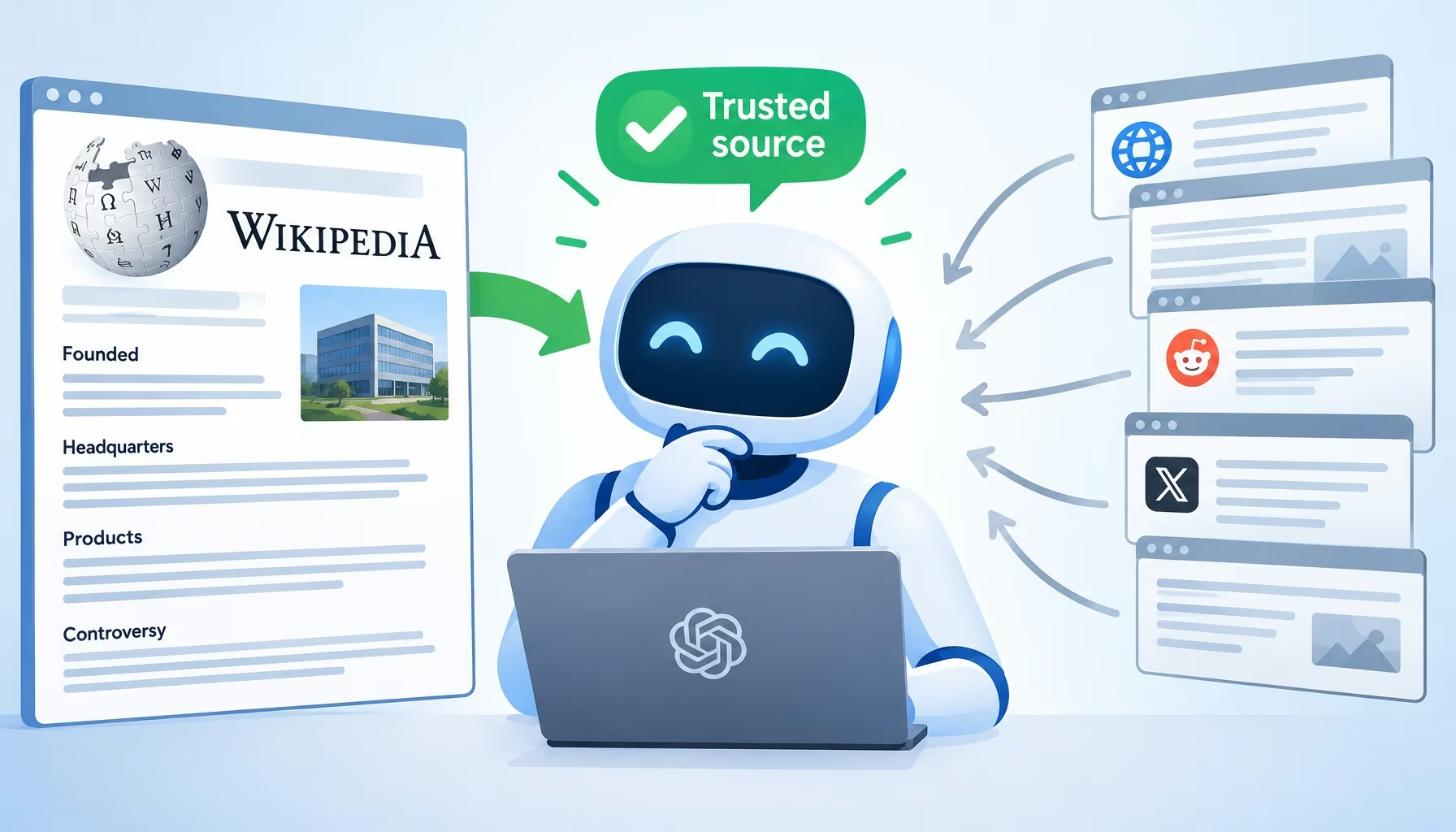
Technical architecture diagram and decision framework for wikipedia editing services and ai training data: why llms still treat wikipedia as a source of truth
Wikipedia Editing Services and AI Training Data: Why LLMs Still Treat Wikipedia as a Source of Truth
Artificial Intelligence Exclusive
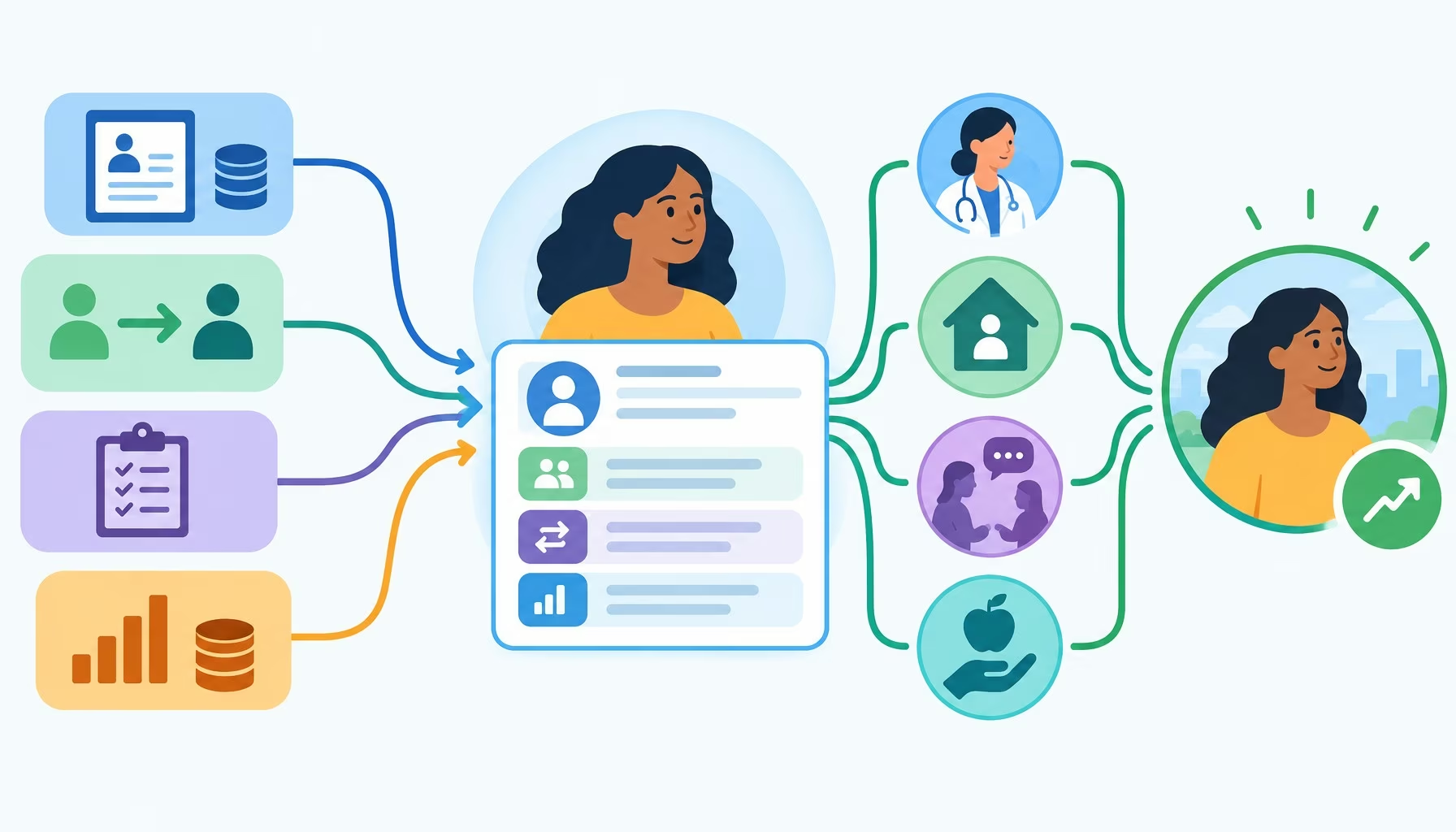
Flat editorial illustration: The article connects fragmented social-service records through shared pathways and selective informa
Turning Disconnected Information Data Into Better Social Service Outcomes
Big Data
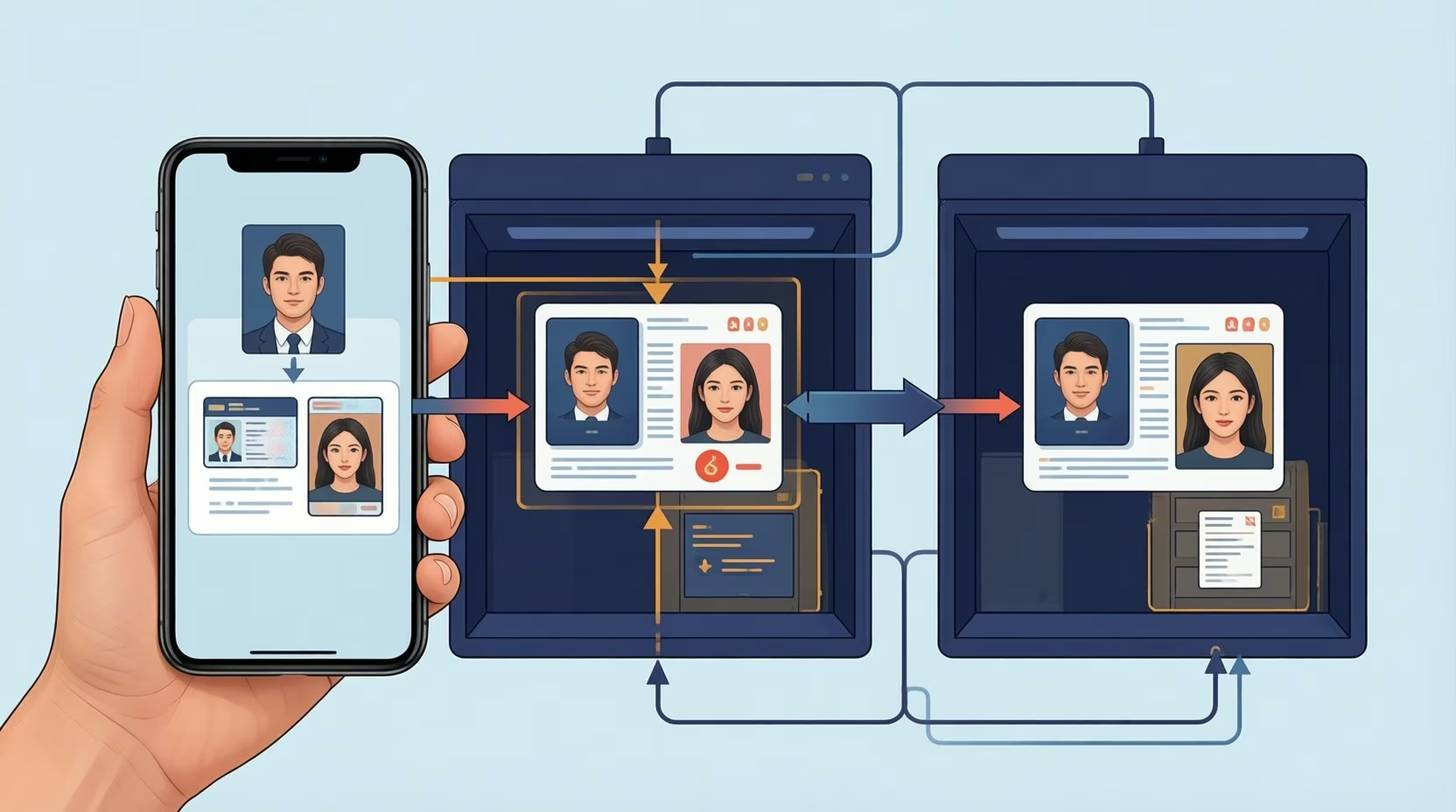
Flat editorial illustration: The article explains how one KYC upload becomes separate records held by a verification vendor and a
What Happens to My KYC Data Behind the Approval Screen?
Big Data Exclusive

Stay Connected

1.2KFollowersLike
33.7KFollowersFollow
222FollowersPin

You Might also Like

Why Bridging the Gap Between ERP and CRM Is Vital and How Big Data Can Help
AnalyticsBig Data

Why Bridging the Gap Between ERP and CRM Is Vital and How Big Data Can Help

5 Min Read
Taking Data Visibility to the Office Walls
AnalyticsBig DataData VisualizationWorkforce Analytics

Taking Data Visibility to the Office Walls

4 Min Read
How hotels are using data to generate new revenue
Data MiningPredictive Analytics

How hotels are using data to generate new revenue

9 Min Read
Server Management Best Practices for Data-Driven Organizations
Big Data

Server Management Best Practices for Data-Driven Organizations

7 Min Read

SmartData Collective is one of the largest & trusted community covering technical content about Big Data, BI, Cloud, Analytics, Artificial Intelligence, IoT & more.

From Bolts to Bots: How AI Is Fortifying the Automotive Industry
Artificial Intelligence
Chatbots and SEO: How Can Chatbots Improve Your SEO Ranking?
Artificial Intelligence Chatbots Exclusive

Quick Link

  • About
  • Contact
  • Privacy
Follow US
© 2008-26 SmartData Collective. All Rights Reserved.
Welcome Back!

Sign in to your account

Username or Email Address
Password

Lost your password?