

We use cookies, including third-party cookies from Google to serve personalized ads through AdSense, to operate this site and understand how it is used. By continuing to browse, you accept this use. See our Privacy Policy and Terms of Use for details, including how to opt out of personalized advertising.
Accept
SmartData CollectiveSmartData Collective
  • Analytics
    AnalyticsShow More
    What Kind of Problem-Solving Distinguishes Data Analysts From Software Engineers -- AI-generated illustration
    What Kind of Problem-Solving Distinguishes Data Analysts From Software Engineers
    7 Min Read
    chatgpt image jul 21, 2026, 04 34 30 pm
    4 Core Benefits of Predictive Maintenance after Vibration Analysis
    10 Min Read
    How Does Data Mining Boost Customer Satisfaction in Logistics? Harnessing Analytics for Results -- AI-generated illustration
    How Does Data Mining Boost Customer Satisfaction in Logistics? Harnessing Analytics for Results
    11 Min Read
    chatgpt image jul 13, 2026, 04 23 45 pm
    How Data Analytics Helps Companies Improve User Engagement
    19 Min Read
    chatgpt image jul 13, 2026, 03 59 46 pm
    How Data Analytics Improves Multi-Location Search Strategies
    10 Min Read
  • Big Data
  • BI
  • Exclusive
  • IT
  • Marketing
  • Software
Search
© 2008-25 SmartData Collective. All Rights Reserved.
Reading: R: From zero to Web 2.0 in six weeks
Share
Notification
Font ResizerAa
SmartData CollectiveSmartData Collective
Font ResizerAa
Search
  • About
  • Help
  • Privacy
Follow US
© 2008-23 SmartData Collective. All Rights Reserved.
SmartData Collective > Big Data > Data Mining > R: From zero to Web 2.0 in six weeks
Data MiningPredictive Analytics

R: From zero to Web 2.0 in six weeks

DavidMSmith
DavidMSmith
3 Min Read
R: From zero to Web 2.0 in six weeks
Illustration generated with FLUX.2 [klein 4B] via Cloudflare Workers AI.
SHARE

Over at the blog Learning R, an new R user is documenting his process of learning to use R for presentation graphics:

In my daily job I am quite often presented with specific tasks to make sense of a dataset and make recommendations for future action.

Excel has been my primary tool to work through data and present the findings. However, recently I came to realise that I spend in addition to data analysis I spend a considerable amount of time trying to visualise and summarise the information graphically.

Then one day I came across the R – Project for Statistical Computing – a free software environment for statistical computing and graphics.

This blog is a humble attempt to document my journey in reproducing some of the charts found on the internet, with a special focus on the charts I would need to create in my daily job using Excel.

Each entry in the blog is a new kind of chart the author has learned to create with R (mostly with the ggplot2 package). Each entry is meticulously documented with all of the code used to create each chart, so it's an excellent resource for creating your own variations on these graphs.

What amazed me the most was that the first entry on the blog is dated March 10 this year. Less than six weeks later, the author is building his own Web 2.0-style sales dashboard (click to enlarge):

Sales_dashboard

Many people say R has a steep learning curve. Then again, it's the steepest path that gets you to the top of the mountain first.

Share This Article
Facebook Pinterest LinkedIn
Share

Follow us on Facebook

Latest News

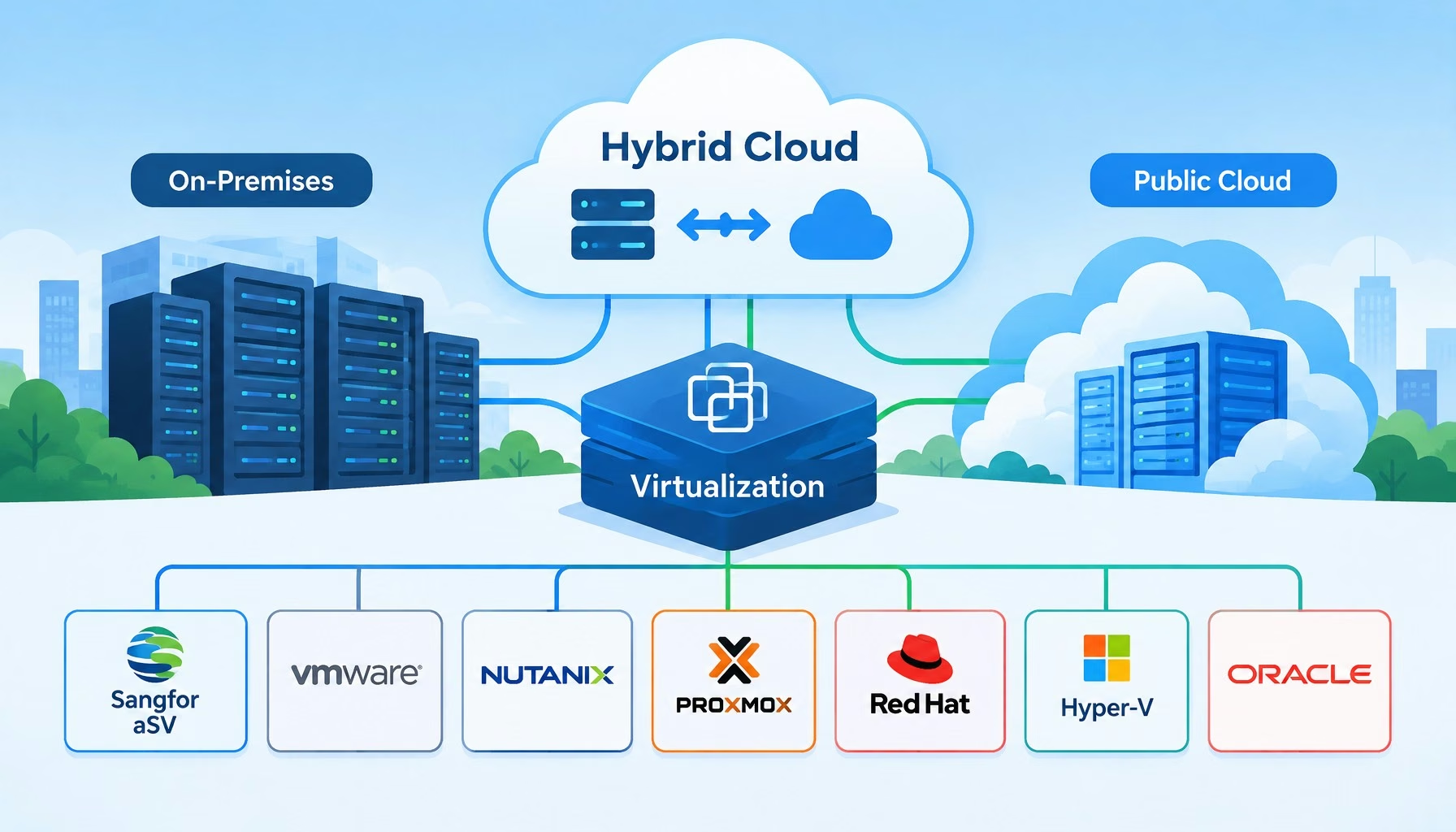
Flat editorial illustration: The article's core relationship is the hypervisor as the abstraction layer that makes hybrid cloud p
7 Best Virtualization Platforms for Hybrid Cloud Environments
Big Data
Flat editorial illustration: The article's core relationship is between aggregated workplace data (occupancy, environmental, feed
How Businesses Can Use Workplace Data to Create Better Office Environments
Big Data Business Intelligence Exclusive
Flat editorial illustration: The article's core relationship is the engineering transition from an AI prototype to a production-r
From AI Prototype to Production: Observability and Scalability Requirements for Data-Heavy SaaS Applications
Artificial Intelligence Exclusive
Preparing Data Systems and Governance for a Scaling Global Gaming Brand -- AI-generated illustration
Preparing Data Systems and Governance for a Scaling Global Gaming Brand
Big Data Infographic

Stay Connected

1.2KFollowersLike
33.7KFollowersFollow
222FollowersPin

You Might also Like

5 Ways Big Data Is Being Used To Understand COVID-19
Big DataExclusivePredictive Analytics

5 Ways Big Data Is Being Used To Understand COVID-19

10 Min Read
Reducing the Confusion about Performance Management
Business IntelligenceCRMPredictive Analytics

Reducing the Confusion about Performance Management

4 Min Read
In Defense of Data Mining Ethics
CommentaryData MiningPolicy and GovernanceWeb Analytics

In Defense of Data Mining Ethics

5 Min Read
Discovering Analytics – A Revelation or Slow Investigation?
Business IntelligencePredictive Analytics

Discovering Analytics – A Revelation or Slow Investigation?

4 Min Read

SmartData Collective is one of the largest & trusted community covering technical content about Big Data, BI, Cloud, Analytics, Artificial Intelligence, IoT & more.

Chatbots and SEO: How Can Chatbots Improve Your SEO Ranking?
Artificial Intelligence Chatbots Exclusive
AI chatbots
AI Chatbots Can Help Retailers Convert Live Broadcast Viewers into Sales!
Chatbots

Quick Link

  • About
  • Contact
  • Privacy
Follow US
© 2008-26 SmartData Collective. All Rights Reserved.
Welcome Back!

Sign in to your account

Username or Email Address
Password

Lost your password?