As the Internet of Things (IOT) continues to gain momentum, there is a critical component to success that is missing today. While I’ve written about the power of the Analytics of Things (AOT), without addressing some tactical issues regarding the registering, tracking, and retiring of the things we want to analyze, we won’t be able to get where we need to be. We need to be in a position that allows easy and pervasive access and analysis of IOT data.
Recalling The Early Days Of PC Peripherals
Like me, many of you likely recall the early days of computers where adding any device to the system was a very difficult process. Items as common and popular as a printer could take many steps of detailed installation procedures, including the execution of operating system scripts. Make even one small misstep and you might have major computer issues on top of not getting the new device working correctly. With less common peripherals, the difficulty of getting things working was even worse. In short, connecting any device was a risky, hassle-filled mess.
In today’s emerging IOT world, we have a similar challenge. If I desire to analyze all the data I generate in my house from my phones, Fitbits, thermostats, and other connected devices, it is difficult. There is no way to easily identify all the devices on my network, what they do, and what data they provide. Additionally, even if I identify the devices, it isn’t easy (and in some cases isn’t possible) to access the data being generated. In short, any data collection and analysis will be a painful, manual, error prone process.
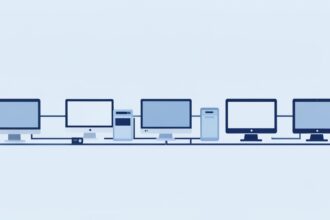
Organizations can similarly have issues. While devices serving a similar purpose (HVAC sensors, security readers, etc.) may be easily connected with each other, they don’t likely connect with unrelated devices and it would be difficult to collect and combine all of the data for analysis. Most organizations today have no central log of all the connected things they own and what the things do.

Saved By USB! What’s The Analogue for IOT?
Today, we are inundated with Universal Serial Bus (USB) devices. They seem almost magical compared to how things worked years ago. Simply plug a new device into your PC’s USB port and the computer will automatically recognize what it is, who made it, and can link to the correct drivers on the web for updates. Adding new peripherals to your PC is now a trivial task and you can get right to using your devices with little extra effort.
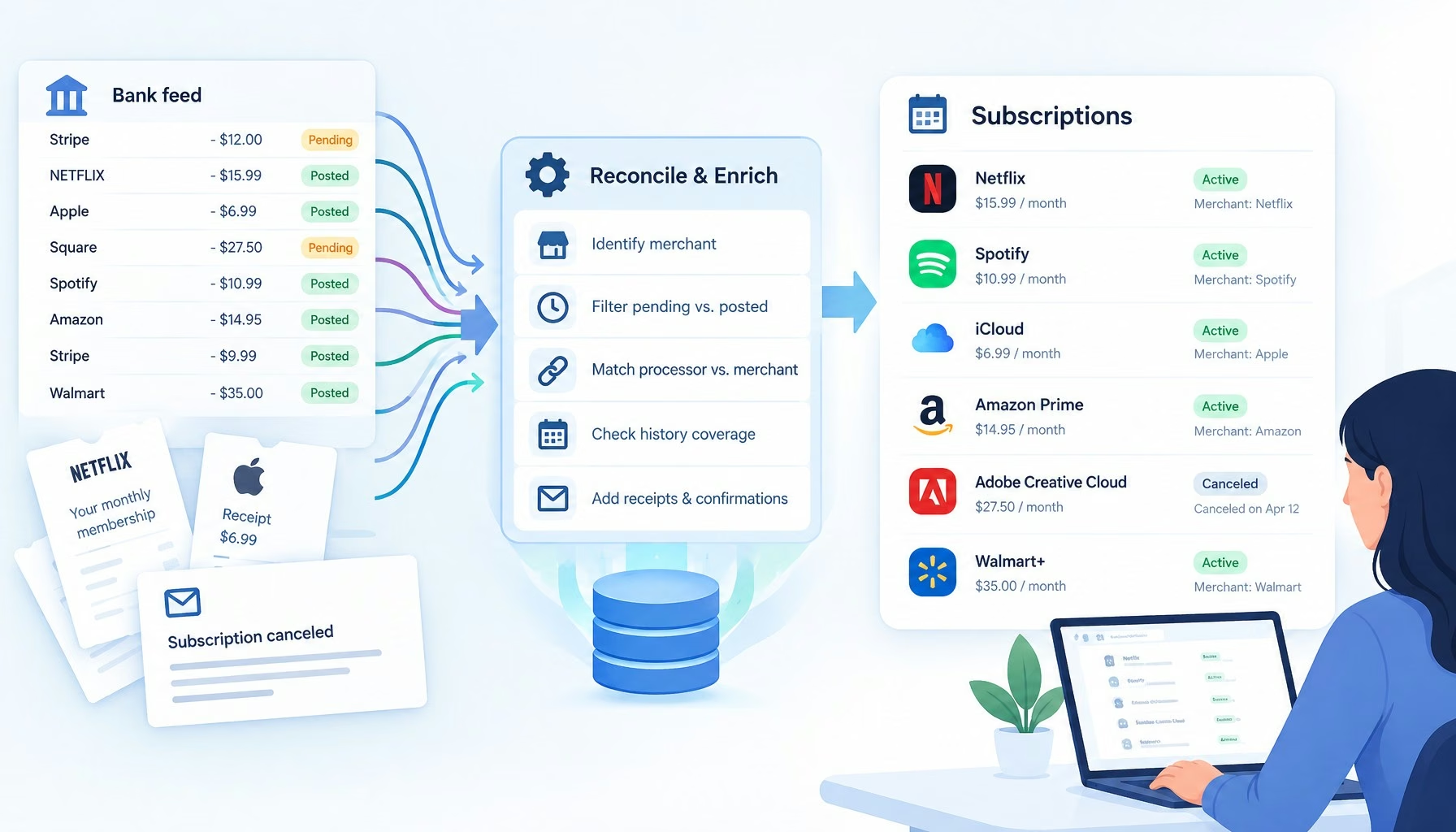
To maximize our ability to analyze our IOT devices, we’ll need a similarly simple registration system for our connected things. Whenever a new device is brought home or into the office and attached to the network, an automated process should:
- Identify what the device is, who made it, and what version it is
- Provide links to information on the data generated by the device, how it can be accessed, and potential uses of it
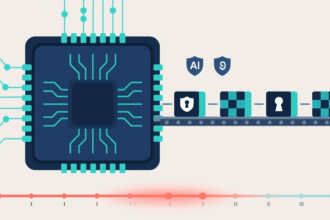
- Identify the current state of the software on the device so that outdated devices can be decommissioned or updated to avoid security threats and take advantage of the latest functions. (See here for a deeper discussion on the security implications of outdated IOT devices)
Having devices automatically register, update, and become a part of a network will vastly improve the process of harvesting valuable analytics from the data, while easing maintenance and addressing major security concerns.
Moving IOT Analytics Forward
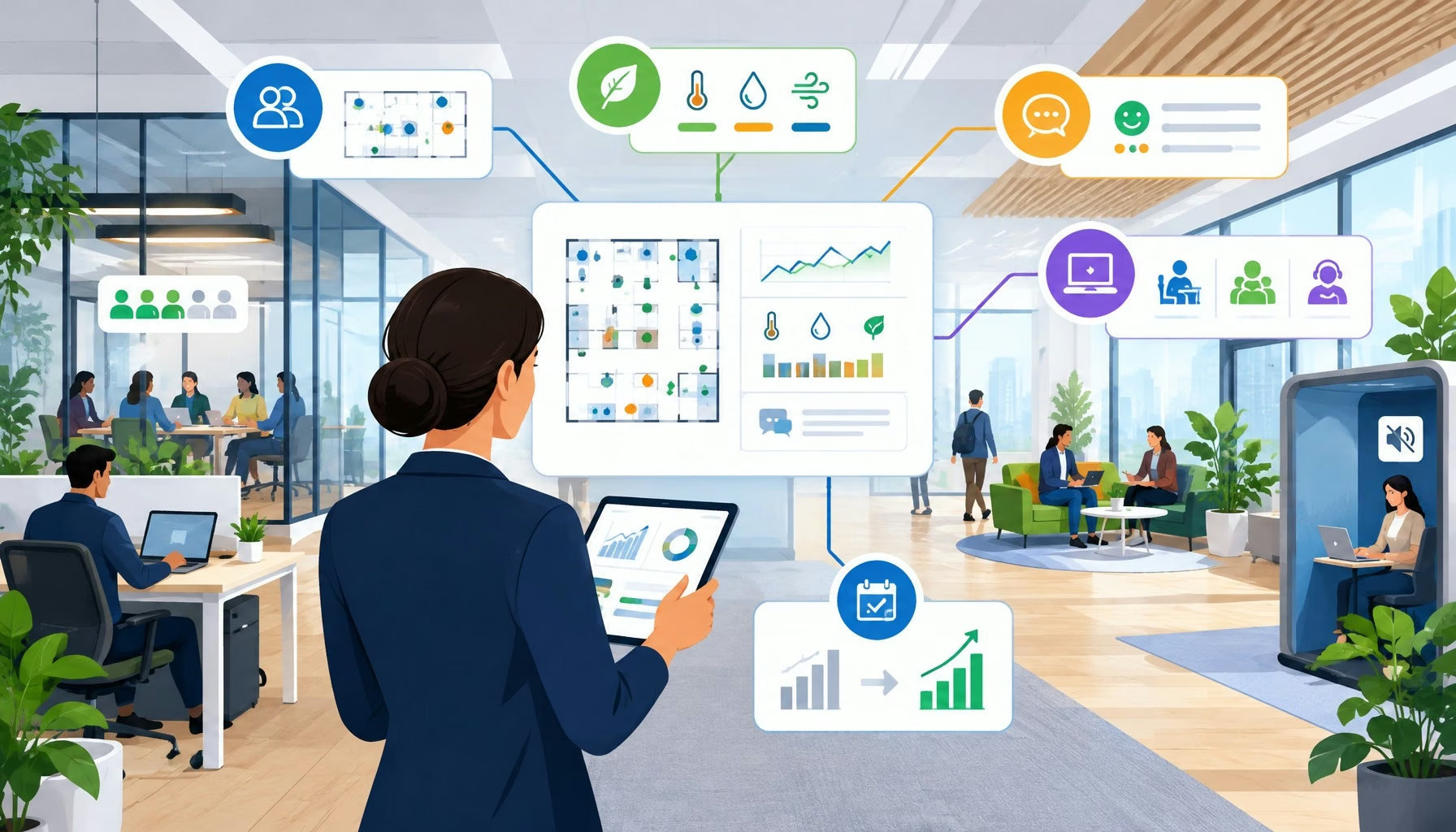
Given the importance of, and focus on, the analytics of things, I am sure that standards such as those outlined above will be coming soon. I look forward to reviewing a dashboard that lists all of the things I have in my home and allows me to decide how to utilize the data they generate in the ways I see fit. Similarly, I look forward to the day that any analyst sitting in an organization can see an inventory of all the things the company has connected and can lay out a strategy to collect, analyze, and drive value from it all.
Without some sort of automated process, keeping track of our things will become a quagmire. It just isn’t possible to scale manual processes to the level required to handle what will quickly become hundreds or thousands of connected things in our homes. Worse, manual intervention can’t possibly scale to corporations with many millions of connected things over time.
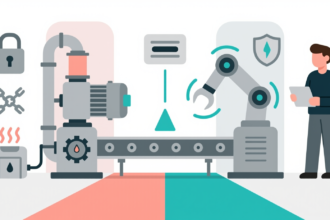
The automatic decommissioning of outdated things that pose a security risk can occur alongside proactive warnings about what is reaching end of life so that a smooth transition can occur as things are upgraded and replaced. While the management of IOT components isn’t the most exciting topic, it is a necessary one for the IOT to reach its potential. And, by extension, for our AOT to do so as well.