Cookies help us display personalized product recommendations and ensure you have great shopping experience.

By using this site, you agree to the Privacy Policy and Terms of Use.
Accept
SmartData CollectiveSmartData Collective
  • Analytics
    AnalyticsShow More
    media monitoring
    Signals In The Noise: Using Media Monitoring To Manage Negative Publicity
    5 Min Read
    data analytics
    How Data Analytics Can Help You Construct A Financial Weather Map
    4 Min Read
    financial analytics
    Financial Analytics Shows The Hidden Cost Of Not Switching Systems
    4 Min Read
    warehouse accidents
    Data Analytics and the Future of Warehouse Safety
    10 Min Read
    stock investing and data analytics
    How Data Analytics Supports Smarter Stock Trading Strategies
    4 Min Read
  • Big Data
  • BI
  • Exclusive
  • IT
  • Marketing
  • Software
Search
© 2008-25 SmartData Collective. All Rights Reserved.
Reading: NASA retires its last mainframe
Share
Notification
Font ResizerAa
SmartData CollectiveSmartData Collective
Font ResizerAa
Search
  • About
  • Help
  • Privacy
Follow US
© 2008-23 SmartData Collective. All Rights Reserved.
SmartData Collective > Commentary > NASA retires its last mainframe
Commentary

NASA retires its last mainframe

JoeMcKendrick
JoeMcKendrick
2 Min Read
SHARE

CNET’s Steve Shankland reports that an era has ended.

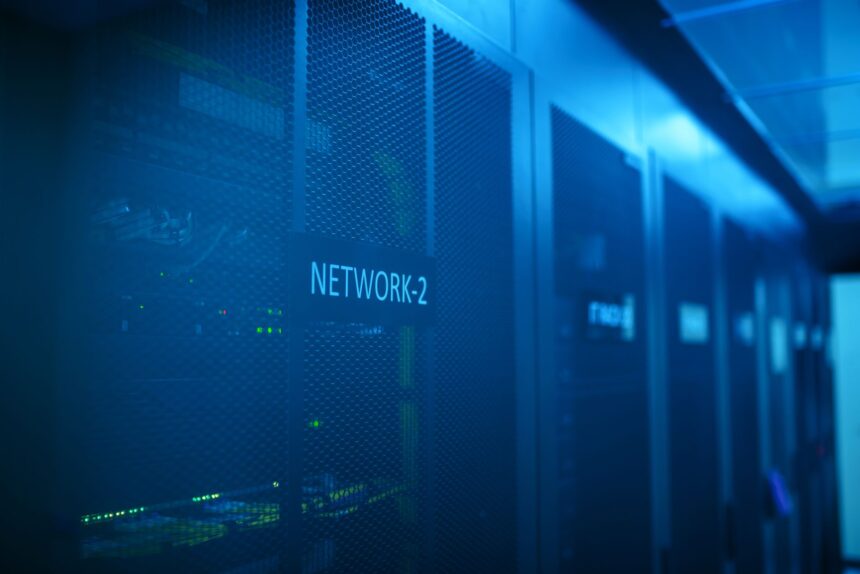
CNET’s Steve Shankland reports that an era has ended. NASA has shut down its last mainframe.  He cites a post by Linda Cureton, the space agency’s chief information officer, who says they just powered down NASA’s last mainframe, an IBM z9.  Apparently, NASA has moved much of its processing to IBM’s Blue Gene systems and Linux on Intel and AMD x86-based servers and Unix on IBM Power-based servers.

“Mainframes” and “moonshots” are two words that were almost synonymous, as are “iPhones” and “apps” today. These days, in fact, it’s often pointed out that we hold more computing power in the palms of our hands than the mainframes that guided the Apollo missions to the moon and back.

The mainframes that did help send people to the moon were two “super-speed” System 360 Model 95 machines NASA acquired in 1968. These machines were capable of computing 14-digit multiplications at a rate of over 330 million in a minute, IBM said. Steve points out that nowadays, the fastest supercomputer performs 10.5 quadrillion calculations per second.

And also, the IBM system at the time had 4MB of main memory supplemented by 1MB of “ultra-high-speed thin-film memories.”  With all the compute power we now carry around in our pockets and purses, one wonders why we can’t all launch our own personal space programs.

The mainframe itself, however, continues to thrive as one of the more popular business technology platforms, and has seen a renaissance in recent years. With companies looking to build cloud capabilities and handle big data, expect to see IBM sell a lot more big iron in the years to come.

(Photo: IBM.)
 

TAGGED:nasa
Share This Article
Facebook Pinterest LinkedIn
Share

Follow us on Facebook

Latest News

edi compliance with AI
AI Is Transforming EDI Compliance Services
Exclusive News
companies using big data
5 Industries Driving Big Data Technology Growth
Big Data Exclusive
software developer using ai
California AI Companies That Are Set for Long-Term Growth
Development Exclusive
data science professor
The Power of Warm-Ups: Setting the Stage for Learning
Exclusive News

Stay Connected

1.2KFollowersLike
33.7KFollowersFollow
222FollowersPin

You Might also Like

Because It’s the Weekend: Curiosity’s Landing on Mars [VIDEO]

2 Min Read

Because It’s the Weekend: We’re NASA and We Know It [VIDEO]

1 Min Read

SmartData Collective is one of the largest & trusted community covering technical content about Big Data, BI, Cloud, Analytics, Artificial Intelligence, IoT & more.

ai is improving the safety of cars
From Bolts to Bots: How AI Is Fortifying the Automotive Industry
Artificial Intelligence
data-driven web design
5 Great Tips for Using Data Analytics for Website UX
Big Data

Quick Link

  • About
  • Contact
  • Privacy
Follow US
© 2008-25 SmartData Collective. All Rights Reserved.
Welcome Back!

Sign in to your account

Username or Email Address
Password

Lost your password?