The unprecedented collection of data by the private sector has been a boon for the average citizen, but government restrictions could have a chilling effect.
As the private sector continues to invest in data-driven innovation, the capacity for society to benefit from this data collection grows as well. Much has been said about how the private sector is using the data it collects to improve corporate bottom lines, but positive stories about how that data contributes to the greater public good are largely unknown.
This is unfortunate, because data collected by the private sector is being used in a variety of important ways, including to advance medical research, to help students make better academic decisions and to provide government agencies and nonprofits with actionable insights. However, overzealous actions by government to restrict the collection and use of data by the private sector are likely to have a chilling effect on such data-driven innovation.
Companies are working to advance medical research with data sharing. Personal genetics company23andMe, which offers its customers inexpensive DNA test kits, has obtained consent from three-fourths of its 800,000 customers to donate their genetic information for research purposes. 23andMe has partnered with pharmaceutical companies, such as Genentech and Pfizer, to advance genomics research by providing scientists with the data needed to develop new treatments for diseases like Crohn’s and Parkinson’s. The company has also worked with researchers to leverage its network of customers to recruit patients for clinical trials more effectively than through previous protocols.

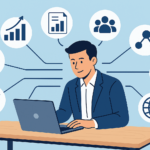
Private-sector data is also helping students make more informed decisions about education. With the cost of attending college rising, data that helps make this investment worthwhile is incredibly valuable. The social networking company LinkedIn has built tools that provide prospective college students with valuable information about their potential career path, field of study and choice of school. By analyzing the education tracks and careers of its users, LinkedIn can offer students critical data-driven insights into how to make the best out of the enormous and costly decision to go to college. Through LinkedIn’s higher-education tools, students now have an unprecedented resource to develop data-supported education and career plans.
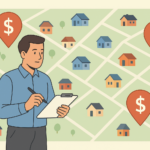
Government agencies and nonprofits, which often lack the capacity to do their own large-scale collection and analysis, are using data from the private sector to advance their own missions. The nonprofit organization GiveDirectly discovered that the materials used for housing, such as metal roofs versus cheaper, homemade thatched roofs, are a good indicator of economic status in rural Africa. The group now analyzes satellite imagery from Google Maps to identify the poorest households in Uganda to prioritize aid delivery. Elsewhere in Uganda, a United Nations project has begun mining Facebook data to better understand perceptions surrounding contraception and teenage pregnancy in an effort to improve public health outcomes. By analyzing the content of Facebook posts, UN workers have begun to better understand attitudes towards condom use, abstinence, teen pregnancy and HIV/AIDS — incredibly valuable information in a country where one in four girls between the age of 15 and 19 are pregnant and 7.2% of adults have HIV — and increase the efficacy of the policies and programs to address these public health concerns. Finally, in the United States a researcher at the Food and Drug Administration mined 1.4 million electronic health records from health insurer Kaiser Permanente to determine that the popular arthritis and pain drug Vioxx posed serious health risks and should be withdrawn from the market.
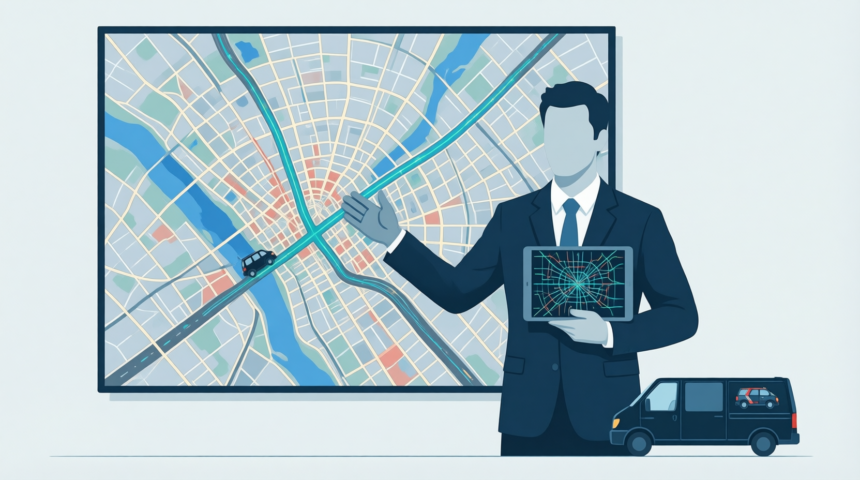
These beneficial uses of private-sector data are not just one-off, isolated occurrences — just this past month two major tech companies have offered to put valuable and even potentially life-saving data to good use for the public. Facebook will now start matching users’ location data to Amber Alerts to rapidly spread awareness about missing children, and Uber will be donating its anonymized transportation data to city governments to help reduce congestion and enable better city planning.
However, it is important to keep in mind that many of these success stories could have been blocked by rules limiting data collection or unnecessarily restricting data reuse. If researchers had not been allowed to analyze data from the electronic health records of Kaiser’s patients, it might have taken more time to prove the harmful effects of Vioxx. The takeaway for policymakers should be that data, even or perhaps especially in the hands of the private sector, has enormous potential to improve societal welfare, and so government should be cautious about implementing well-intended restrictions that limit data-driven innovation.