Cookies help us display personalized product recommendations and ensure you have great shopping experience.

By using this site, you agree to the Privacy Policy and Terms of Use.
Accept
SmartData CollectiveSmartData Collective
  • Analytics
    AnalyticsShow More
    warehouse accidents
    Data Analytics and the Future of Warehouse Safety
    10 Min Read
    stock investing and data analytics
    How Data Analytics Supports Smarter Stock Trading Strategies
    4 Min Read
    predictive analytics risk management
    How Predictive Analytics Is Redefining Risk Management Across Industries
    7 Min Read
    data analytics and gold trading
    Data Analytics and the New Era of Gold Trading
    9 Min Read
    composable analytics
    How Composable Analytics Unlocks Modular Agility for Data Teams
    9 Min Read
  • Big Data
  • BI
  • Exclusive
  • IT
  • Marketing
  • Software
Search
© 2008-25 SmartData Collective. All Rights Reserved.
Reading: How Small Data Can Also Be Big Data
Share
Notification
Font ResizerAa
SmartData CollectiveSmartData Collective
Font ResizerAa
Search
  • About
  • Help
  • Privacy
Follow US
© 2008-23 SmartData Collective. All Rights Reserved.
SmartData Collective > Analytics > How Small Data Can Also Be Big Data
AnalyticsBig Data

How Small Data Can Also Be Big Data

Datafloq
Datafloq
5 Min Read
Image
SHARE
ImageGartner’s definition of big data dates back from 2001, when Doug Laney defined big data as increasing volume (amount of data), velocity (speed of data in and out), and variety (range of d
ImageGartner’s definition of big data dates back from 2001, when Doug Laney defined big data as increasing volume (amount of data), velocity (speed of data in and out), and variety (range of data types and sources). Since then the term big data has been redefined many times by many different blogs, including this blog. We define big data as seven different aspects (the 7 V’s) that are important for organizations to take into account when developing a big data strategy.

However, the original definition of big data suggests that organisations can only develop a big data strategy if they have vast volumes, terabytes or more, of data. IDC even defines big data projects as projects that contain a minimum of 100 terabyte of collected data. If we take that definition as a starting point it would mean that very few organizations could develop a big data projects as only the biggest (online) corporations collect so much data already today.

Looking at Gartner’s Hype Cycle of Emerging Technologies, it would probably take a lot longer then 5-10 years before big data hits the plateau of productivity if we take the definition of 100 Terabytes of data as a starting point. It would for sure mean that Small and Medium Enterprises, and especially the small businesses, could forget about big data. Fortunately, this is not the case and SME’s can also develop a big data strategy.

With small data I do not refer to IBM’s definition of small data. They define small data as low volumes, batch velocities and structured varieties. Small data however can be any form of data, structured and unstructured and in real-time or in batch processing. Small data simply refers to smaller volumes. Gigabytes and a few Terabytes instead of Petabytes or more.

It is true that the amount of data we create is growing rapidly, but there are still many organisations that only collect a few Gigabyte of data. Quite often these, smaller, businesses believe that therefore they cannot develop a big data strategy. Personally however, I believe that a big data project does not have to involve vast amounts of data; connecting various (smaller) data sets can give even more insights than analysing one vast big data set. Therefore, as I mentioned earlier, a small business has to look differently at big data. Simply because less data is created, does not mean that they cannot develop a big data strategy.

Especially when those smaller company-owned data sets are combined with public and social data sets, great insights can be achieved that can bring a small company forward. In addition, if a company wants to grow their small data sets to become big data sets after all, they should start looking for new data creation opportunities. Data can literally be found everywhere and it is just a matter of collecting it in order to use it.

So, small data can become big data by cleverly combining various data sets with different data formats; Combine weather data with your restaurant’s sales data to discover the impact of rain on your items sold and as such adjust your purchasing behaviour. Combine your customer data with their sentiment online to surprise them and create long-lasting relationships. Track how your customers behave through your shop and combine it with your sales data to see how you can adjust and improve your floor plan. Or combine online sales data with offline customer profiles to see how you can optimize your multi-channel approach for your small retail shop. The opportunities are endless and also small data can provide big insights.

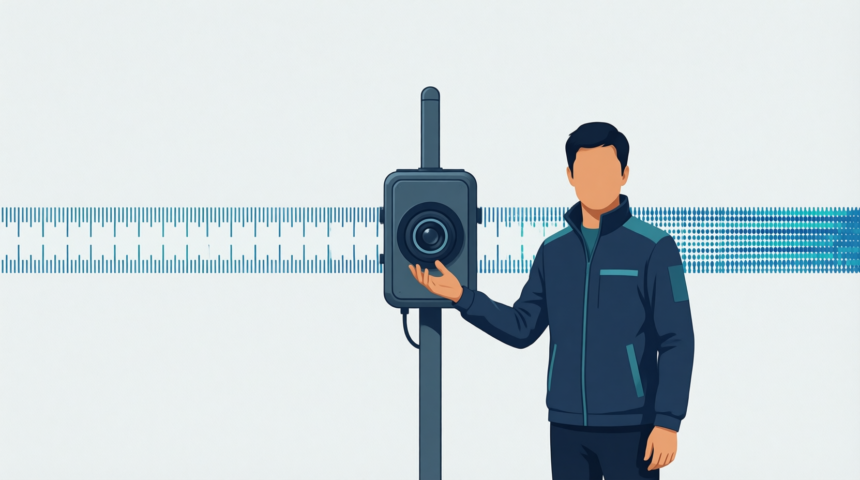
image: small data & big data/shutterstock

Share This Article
Facebook Pinterest LinkedIn
Share

Follow us on Facebook

Latest News

ai and satelite technology
How Machine Learning Improves Satellite Object Tracking
Exclusive Machine Learning
Diverse Research Datasets
The 5 Best Platforms Offering the Most Diverse Research Datasets in 2026
Big Data Exclusive
macro intelligence and ai
How Permutable AI is Advancing Macro Intelligence for Complex Global Markets
Artificial Intelligence Exclusive
warehouse accidents
Data Analytics and the Future of Warehouse Safety
Analytics Commentary Exclusive

Stay Connected

1.2KFollowersLike
33.7KFollowersFollow
222FollowersPin

You Might also Like

Image
AnalyticsBig Data

Why Bridging the Gap Between ERP and CRM Is Vital and How Big Data Can Help

5 Min Read

The General Data Protection Regulation in a nutshell

6 Min Read
Conversion Rates
Big DataMarketingStatisticsWeb Analytics

6 Steps to Use Big Data to Improve Conversion Rates

8 Min Read

The analyst function is dead

5 Min Read

SmartData Collective is one of the largest & trusted community covering technical content about Big Data, BI, Cloud, Analytics, Artificial Intelligence, IoT & more.

AI and chatbots
Chatbots and SEO: How Can Chatbots Improve Your SEO Ranking?
Artificial Intelligence Chatbots Exclusive
ai is improving the safety of cars
From Bolts to Bots: How AI Is Fortifying the Automotive Industry
Artificial Intelligence

Quick Link

  • About
  • Contact
  • Privacy
Follow US
© 2008-25 SmartData Collective. All Rights Reserved.
Go to mobile version
Welcome Back!

Sign in to your account

Username or Email Address
Password

Lost your password?