
Big data has been driving changes in the video game industry for years. Smart Data Collective contributor David Smith talked about this in an article we published in 2013 titled How Big Data and Statistical Modeling Are Changing Video Games.
Data has become even more important in the gaming sector in recent years. The sudden proliferation of big data in gaming is one of the reasons that the market size is expected to be worth $665.77 billion by 2030.
You probably don’t realize how often games collect data from you (if you’re reading this as a gamer). Even games like EA Sports FC (the new name for FIFA) collect data constantly, even when you’re playing campaign mode. SurfShark actually did a study looking only at mobile gaming, but the results were interesting enough to share. They found the average mobile video game collects 12 data points, and most of it actually goes towards third-party marketing.
Before we give too much away, let’s look at how data is used in the video game industry (other than marketing).
More Read
Understanding Player Behavior
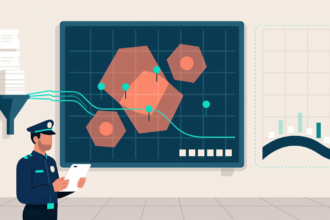
Video game developers want to understand you. How they understand you defines how they develop their games—even the updates follow player behavior. These companies analyze every click, every purchase, and every gaming style to make better games. Do they always make better games? No, but that’s not the point. The point is they’re trying to at least improve the gaming experience.
Essentially, they want to understand the user responses towards different components in the game. Games like sports betting would be analyzed using the time given to games, successful completion of leagues, and funds used in the games, for example. Developers can then pinpoint some choke points where players have problems or disengagement.
The analysis of the trends of users in multiplayer also allows developers to understand how strategies and interactions happen in different video game genres. Certain patterns often affect more advanced games and how game modes are aimed at different target audiences, for example, team play mode or vs mode.
Real-Time Analytics for Enhanced Player Experiences
A lot of it is real-time analytics, giving developers, you guessed it, deep insights into the game and players.
Any content for online games requires actions that translate into real-time analytics, letting developers control elements like difficulty or matchmaking. Similar to Clash of Clans, where billions of events are created in succession, developers utilize the data to enhance the experience and retention of players.
Real-time analytics also help improve in-game transactions and advertisements—as we said, lots of the information they gather is for third-party advertisements. This then translates into monetization strategies, especially for online games.
Personalization and Game Customization
Personalizing experiences is becoming the bread and butter of game development. And, of course, they need your data to do it.
Depending on observations, game developers pick which features to implement to keep people playing them. Thanks to big data, it is now also possible to implement and create custom story arcs, cutscenes, awards, and game events. This approach sustains players interest and ensures they don’t venture to similar games.
Or, NPCs, for example, designed by adaptive AI based on user data, act under the player’s tactics, creating various in-game challenges that are much more engaging. That extreme personalization creates affinity that keeps the players returning to games that match their style.
So, games are probably collecting more data than you realize. Every click you make is likely a byte of data they’re collecting. Without realizing it, you’re shaping the future of gaming.