Over the past few years, businesses have transitioned their operations from in-house to remote and hybrid environments. While the shift was temporary and necessary amid the pandemic, benefits like reduced overhead, flexible work schedules, improved morale, enhanced customer experience, and accessibility to larger markets encouraged many to make the change permanent. Despite the many perks of a remote or hybrid workforce, the transition increased the risk of data breaches.
Cybersecurity Threats Are on The Rise
Cybercrimes ranging from Trojan horses and ransomware to phishing and DOS (denial-of-service) attacks have wreaked havoc on large and small businesses alike. These vicious attacks left consumers’ information compromised and companies unable to access the essential resources they need to operate. Recovering costs millions of dollars and requires substantial effort on behalf of the companies to restore their reputation and trust with their target audiences.

Strict Regulations And Cybersecurity Measures
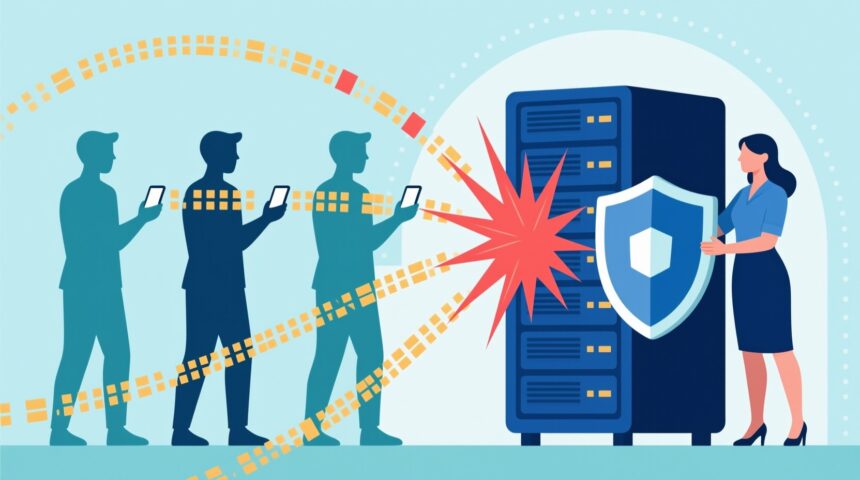
Preventing or reducing the risk of data breaches and cyberattacks became the ultimate goal for businesses and government entities. Federal and state officials developed and enforced stricter cybersecurity regulations prompting firms to take precautionary measures. Although those efforts have been instrumental in reducing some risks, one area remains especially vulnerable – the end user.
End User Security Risks
An end user is anyone who has access to a device, software, or application. In a business setting, end users are generally your team members, contractors, and vendors. Human beings are bound to make mistakes, making them easy targets for hackers.
While firing your team and running a fully-automated business is absurd, there are ways to reduce the threats and keep your company data safe. The first step is to identify the common risk factors. Below are a few to consider.
Lack of Awareness
Although most people that utilize technology know that threats exist, many assume that using secure platforms and devices with antivirus software is enough to keep them safe. They don’t realize how daily activities and minor mistakes could lead to expensive and time-consuming problems. This lack of awareness is what hackers prey on and use to their advantage.
Phishing
Phishing is a typical end-user attack that has impacted many businesses. It’s the process of sending out fraudulent emails, texts, or phone calls disguised as a legitimate company with the hopes of gathering information. Unsuspecting team members consequently give out everything from passwords to contact details, which the hacker can use for further attacks.
Reusing Passwords
Most team members understand the importance of creating a strong password to prevent hackers from accessing company accounts; however, using the same security code across multiple platforms increases threat risks. Ultimately, if a hacker cracks one password, they now have access to every account in the user’s possession.
Personal Devices
It’s not uncommon for remote and hybrid workers to access company applications from personal devices. However, these devices may not have the same level of security, leaving company data vulnerable. Personal devices are also used on unsecured networks, shared with others, lost, and stolen. Should any of these happen, it increases the threat of a data breach.
Reducing The Threat
Who knew there were so many end-user vulnerabilities? Now that you understand how your team could threaten your company’s data and security, you must develop solutions to reduce the risk. Here are some tips to get you started.
Endpoint Security Software
Assigning company computers, smartphones, and tablets effectively reduces the threats that come with conducting business on personal devices. Before supplying your team with their tech, download software for endpoint security protection. Endpoint security software enables IT teams to manage and secure devices from a single platform.
Some features include 24/7 threat detection, antimalware and virus protection, safe browsing, data classification, loss prevention, firewalls, email gateways (to block phishing emails), and more.
Frequent Training And Education
Once you’ve equipped your team with secure company devices to use in the office, at home, or on the go, education, and training are the next steps. Your team must know the types of cybersecurity threats, their vulnerabilities, and actions they can take to reduce the risk. Develop a training program that accommodates all learning styles and repeats it as needed. Lastly, keep your team in the loop by addressing any new threats as they arise.
Remote and hybrid work environments have provided many benefits for businesses, team members, and consumers. Be that as it may, it also created opportunities for hackers to steal and compromise sensitive information. While mistakes happen and nothing is foolproof, you can reduce the threat of data breaches by investing time, energy, and resources into end-user awareness and protection.