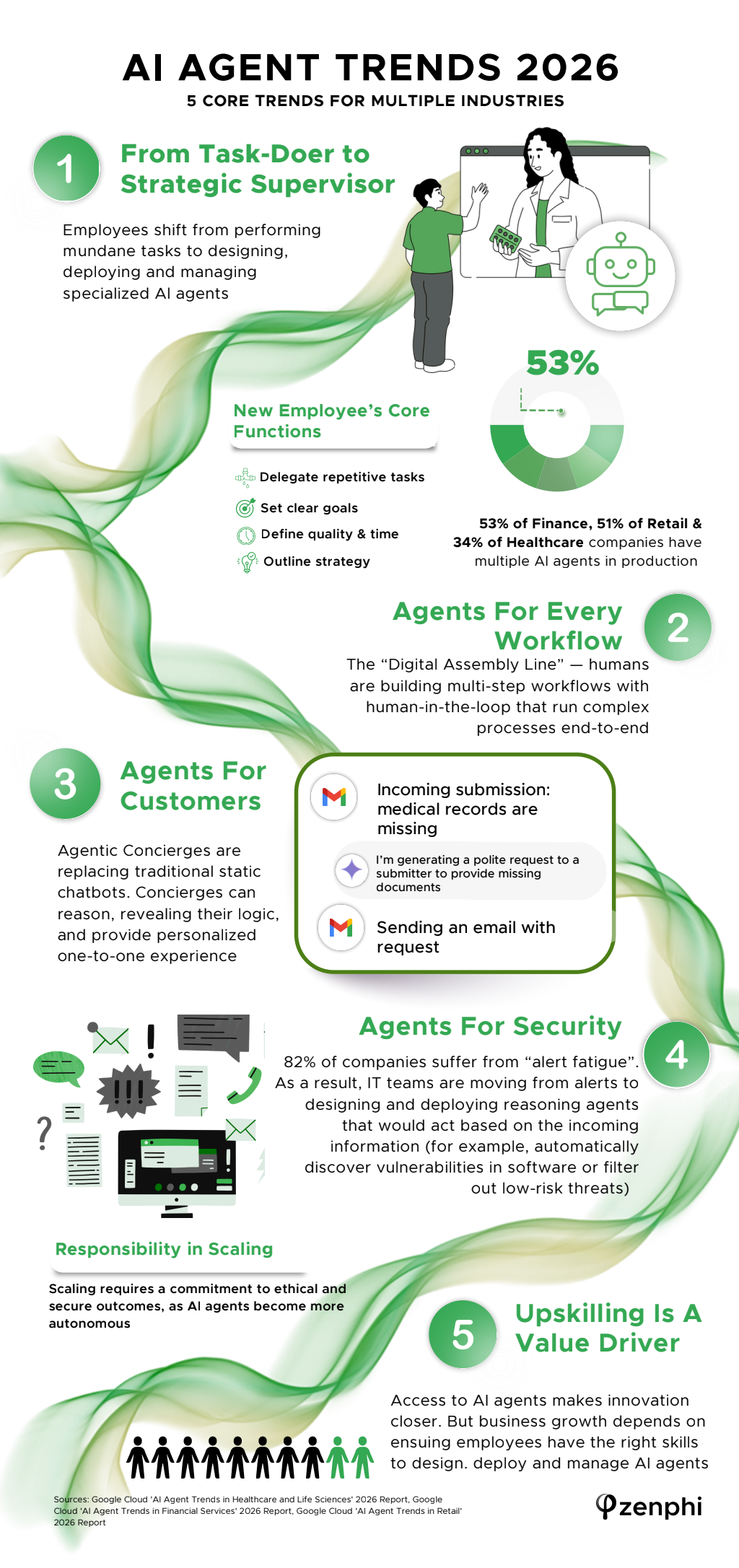
AI agents are changing how companies use data. In business intelligence and data management, these systems are moving beyond simple reporting. They now help gather, analyze, and act on information with less manual effort. This shift is helping teams move faster and make more informed decisions.
Moving From Reports to Action
Traditional business intelligence tools focus on dashboards and reports. AI agents take this further by acting on insights. They can monitor data streams, identify patterns, and trigger actions based on defined rules.
For example, an agent can detect unusual changes in sales data and alert the right team. It can also recommend next steps or adjust workflows automatically. This reduces delays between insight and action. Faster response times can improve performance across departments.
Smarter Data Integration
Data often comes from multiple systems. Combining these sources can be time-consuming. AI agents help connect and organize data across platforms. They can pull information from databases, cloud systems, and applications in real time.
More Read

This improves data consistency and reduces manual work. Teams gain a clearer view of operations without switching between tools. Better integration also supports more accurate analysis. When data is easier to access, it becomes more useful.
Context Aware Insights
AI agents are improving how insights are delivered. They can track context over time and adjust outputs based on past activity. This leads to more relevant and timely information.
For example, a sales team may receive insights that reflect current trends and previous performance. This helps guide decisions without requiring constant data review. Context-aware systems reduce the need for repeated analysis and support better planning.
Workflow Efficiency and Automation
AI agents play a growing role in workflow automation. They can handle routine data tasks such as cleaning, sorting, and reporting. This allows teams to focus on analysis and strategy.
Automation also reduces errors that can occur with manual processes. Consistent workflows improve reliability and save time. As these systems become more advanced, they can manage larger portions of daily operations. This shift supports greater efficiency across business functions.
Governance and Oversight
As AI agents take on more responsibility, oversight becomes more important. Companies need clear rules for how data is used and how decisions are made. This includes defining access controls and review processes.
Transparency is key. Teams should understand how agents reach conclusions and what data is used. Regular monitoring helps maintain accuracy and trust. Strong governance supports the responsible use of AI in data management.
AI agent trends are reshaping how businesses approach data. These systems are helping teams move from static reports to active decision support. With better integration, smarter insights, and improved efficiency, AI agents are becoming a core part of modern business intelligence. For more information, look over the accompanying resource below.