
We use cookies, including third-party cookies from Google to serve personalized ads through AdSense, to operate this site and understand how it is used. By continuing to browse, you accept this use. See our Privacy Policy and Terms of Use for details, including how to opt out of personalized advertising.
Accept
SmartData CollectiveSmartData Collective
  • Analytics
    AnalyticsShow More
    What Kind of Problem-Solving Distinguishes Data Analysts From Software Engineers -- AI-generated illustration
    What Kind of Problem-Solving Distinguishes Data Analysts From Software Engineers
    7 Min Read
    chatgpt image jul 21, 2026, 04 34 30 pm
    4 Core Benefits of Predictive Maintenance after Vibration Analysis
    10 Min Read
    How Does Data Mining Boost Customer Satisfaction in Logistics? Harnessing Analytics for Results -- AI-generated illustration
    How Does Data Mining Boost Customer Satisfaction in Logistics? Harnessing Analytics for Results
    11 Min Read
    chatgpt image jul 13, 2026, 04 23 45 pm
    How Data Analytics Helps Companies Improve User Engagement
    19 Min Read
    chatgpt image jul 13, 2026, 03 59 46 pm
    How Data Analytics Improves Multi-Location Search Strategies
    10 Min Read
  • Big Data
  • BI
  • Exclusive
  • IT
  • Marketing
  • Software
Search
© 2008-25 SmartData Collective. All Rights Reserved.
Reading: Making more sense out of Twitter Tweets
Share
Notification
Font ResizerAa
SmartData CollectiveSmartData Collective
Font ResizerAa
Search
  • About
  • Help
  • Privacy
Follow US
© 2008-23 SmartData Collective. All Rights Reserved.
SmartData Collective > Big Data > Data Mining > Making more sense out of Twitter Tweets
Data Mining

Making more sense out of Twitter Tweets

ThemosKalafatis
ThemosKalafatis
5 Min Read
Making more sense out of Twitter Tweets
Illustration generated with Qwen Image.
SHARE
Over the last 5 posts I have described how unstructured text information from Twitter can be used for Knowledge Extraction. Specific examples were given such as Sentiment Mining for products (Amazon’s Kindle), Segmentation of Twitter users, and finally cluster analysis of the emotions and thoughts expressed from twitter users.
So far I have discussed some ways that text mining could help us in getting more insight on how people think. Now it is time to put Information Extraction and Ontologies to the equation.
Information Extraction (IE) is the automated extraction of any information such as (to name a few) Names (first names, city names, country names etc), facts or events from unstructured text. An example of IE was given in these posts where thousands of adverts of flats are extracted and then data mining analysis is performed to identify what characteristics are important for achieving a high renting price.
Ontologies are used for knowledge representation and may also be used for structuring the information that exists on the web. To give an example, consider the following product keywords :
  • Coke
  • Sprite
  • Dr Pepper
If one asks you what is common about them, your brain looks for generalizations and comes up with the following answers :
  • They are all Carbonated Drinks

  • (Possibly) they all contain sugar since the word “Diet” or “Zero” or “Light” is not mentioned.
Now let’s assume having an Ontology Engine that is able to do this and to be able to infer automatically that all these products are sugar-carbonated drinks. Such an action enables us to extract facts in a more coherent way. The reason behind this is that we lessen the effect discussed on The Statistics of Everyday Talk and thus are able to capture growing trends such as people expressing their thoughts regarding carbonated drinks rather than matching “Coke”, “Sprite” and “Dr Pepper” individually. Without Ontologies such a trend could be easily missed.
By using Ontologies or taxonomies where applicable, an associations discovery algorithm can search in different levels of information detail. For example data miners usually employ taxonomic information (ex. Sprite, Coke, Pepsi = carbonated drinks) when performing associations discovery analysis on Super Markets and the effort of applying taxonomies almost always pays back in terms of the knowledge extracted regarding consumer behavior.
I have used Ontologies over the past three years and have seen them in action. The fact that with Ontologies one could possibly have access to inference and deductive reasoning techniques is of great use. The application of Information Extraction, Natural Language Processing and subsequent insertion of this information in an Ontological setting has many potential applications.


Link to original post

TAGGED:information extractionontologiestwitter
Share This Article
Facebook Pinterest LinkedIn
Share

Follow us on Facebook

Latest News

Flat editorial illustration: The article's core relationship is workload-by-workload decision-making for cloud migration, where s
Which Workloads Should Move to the Cloud?
Cloud Computing Exclusive IT
Flat editorial illustration: The article positions data governance as a strategic board-level concern rather than a purely techni
Why Data Governance Is Becoming a Board-Level Business Priority
Big Data Exclusive Policy and Governance
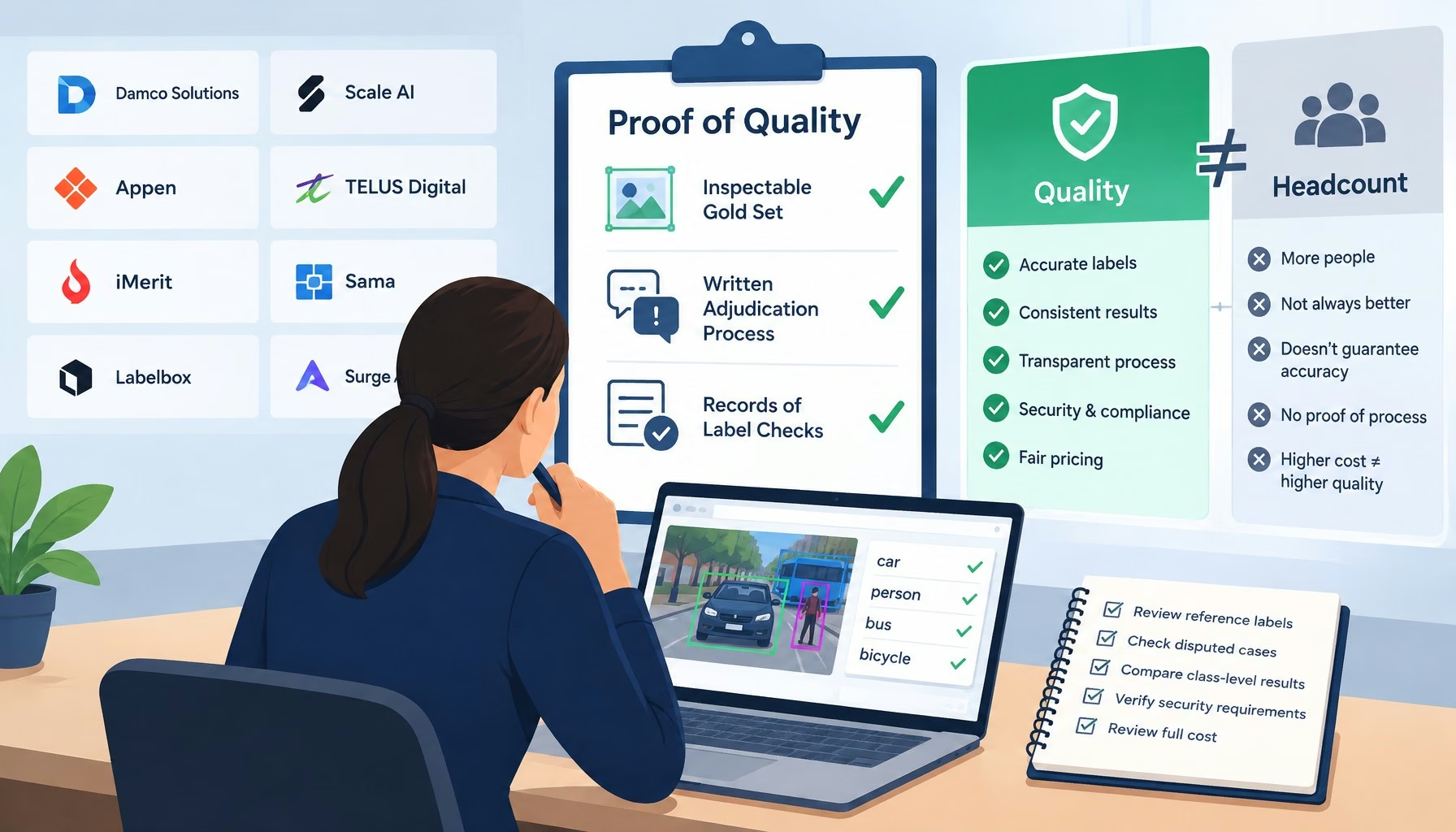
Flat editorial illustration: The article argues that data annotation quality should be measured by inspectable gold sets, written
The Top Data Annotation Companies Are Separated by Proof of Quality, Not Headcount
Big Data Exclusive
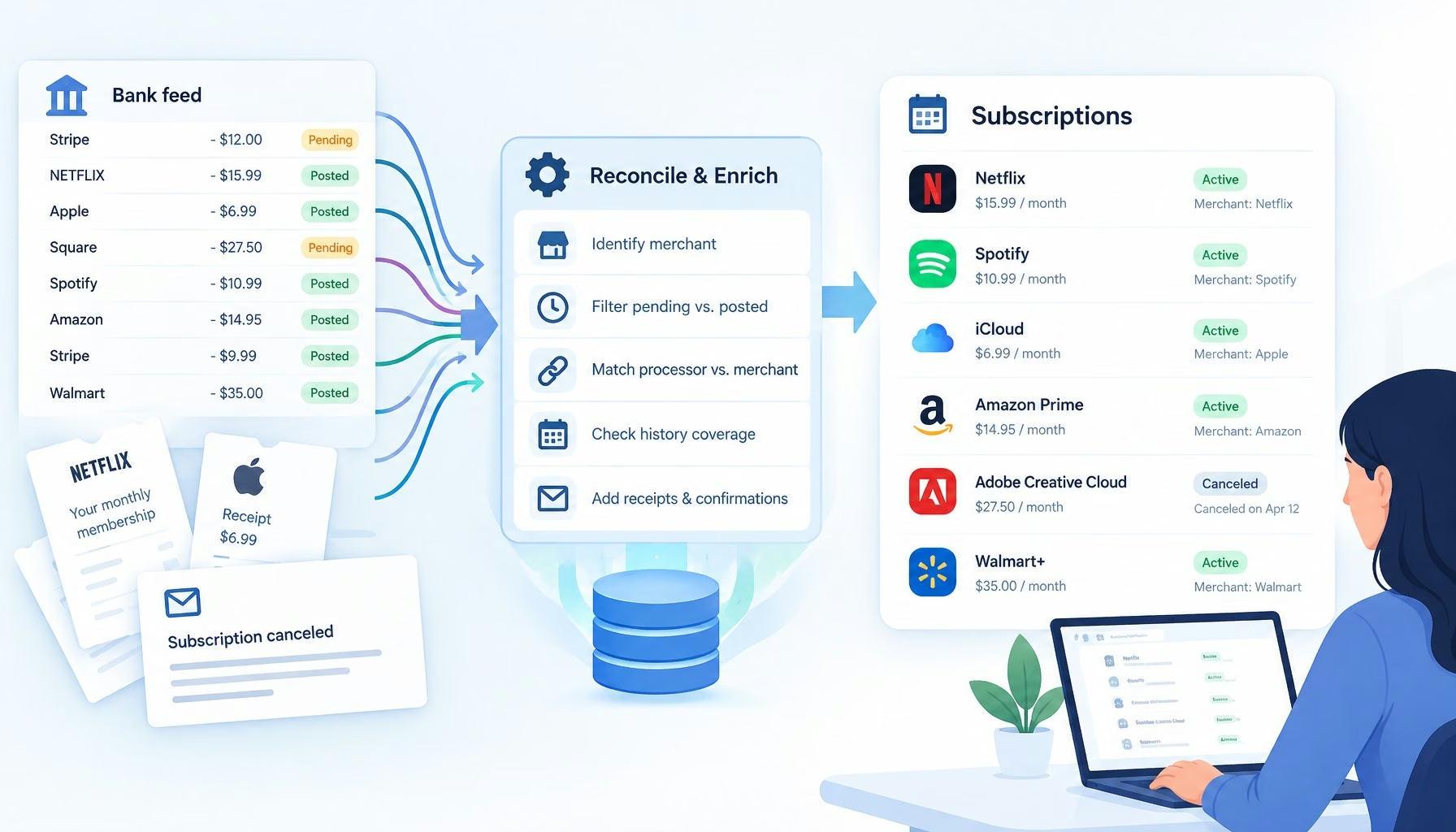
Flat editorial illustration: The article's core relationship is the gap between raw bank-feed records and reliable subscription i
Subscription Trackers Have a Transaction Data Problem
Big Data Exclusive

Stay Connected

1.2KFollowersLike
33.7KFollowersFollow
222FollowersPin

You Might also Like

How Data Analytics and BI Professionals Used Twitter in November
Business Intelligence

How Data Analytics and BI Professionals Used Twitter in November

5 Min Read
Solving the Riddle of Measuring Social Voice
AnalyticsBig DataMarketingSentiment AnalyticsSocial DataSocial Media Analytics

Solving the Riddle of Measuring Social Voice

5 Min Read
Mind Maps of #textanalytics
AnalyticsSocial DataSocial Media AnalyticsText Analytics

Mind Maps of #textanalytics

2 Min Read
Yahoo! CEO Marissa Mayer on Data Portabilty
Uncategorized

Yahoo! CEO Marissa Mayer on Data Portabilty

3 Min Read

SmartData Collective is one of the largest & trusted community covering technical content about Big Data, BI, Cloud, Analytics, Artificial Intelligence, IoT & more.

From Bolts to Bots: How AI Is Fortifying the Automotive Industry
Artificial Intelligence
ai chatbot
How AI Website Chatbots Improve Customer Support and Lead Generation
Chatbots Exclusive

Quick Link

  • About
  • Contact
  • Privacy
Follow US
© 2008-26 SmartData Collective. All Rights Reserved.
Welcome Back!

Sign in to your account

Username or Email Address
Password

Lost your password?