Machine learning has gotten a lot of press lately as big names in tech launch highly visible programs. There’s IBM’s supercomputer, Watson, the Kafka Apache, which is used to manage LinkedIn inquiries and connections, and even playful systems like Quick, Draw from Google, a machine learning system that uses repetition to identify users’ drawings.
At first glance, these systems may seem to vary widely, but they’re all connected by real-time monitoring and vast data processing abilities. And, most importantly, the more advanced these systems become, the better able they are to project what comes next, not just analyze what’s happening now, using a system known as predictive analytics.
Understanding Predictive Analytics
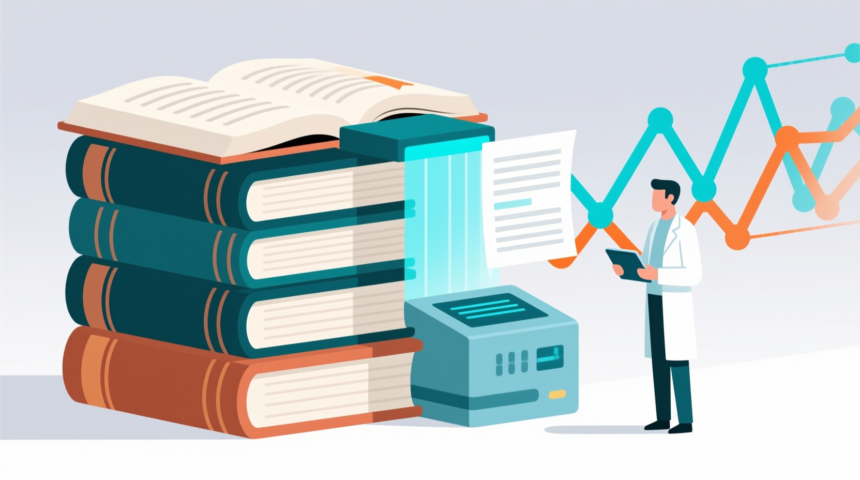
The primary feature that distinguishes machine learning from predictive analytics is whether or not the computer can use past data to project future activity. The majority of machine learning systems are simply advanced analytics systems; the more data they see, the better they get at interpreting it. Unlike predictive analytics, however, machine learning systems can’t respond to variables.
Unlike basic machine learning systems, predictive analytics programs are designed to grapple with system variability and project what will happen when circumstances in a supply line change. These systems use historical data to identify the root cause of material shortages, increased consumer demand, or pricing variability. By comparing past patterns and identifying market trends, businesses can sidestep potential potholes in the manufacturing or distribution process before they go into effect.
![The Real Definition of Business Intelligence [VIDEO]](https://www.smartdatacollective.com/wp-content/uploads/2014/04/real-definition-business-intelligence-video-330x220.jpg)
Assessing Accuracy
Computers can gain intense insights and draw a lot of statistics and patterns from data, but how accurate are predictive analytics systems? To put it simply, the systems aren’t perfect, but they are powerful. As Carla O’Dell of the American Productivity & Quality Center (APQC) explains, “predicting the future is not an exact science because… you don’t have the entire universe of data sets, the complete data set of anything that could have ever happened or could ever happen at the future.” Similarly, population-wide responses to the same variable can change over time, and past data can’t account for this information gap.
Though the system may be imperfect, predictive analytics already play an important role in numerous industries. Beyond manufacturing, where predictive analytics are used to stabilize supply chains and assess consumer demand, the technology is also popular with healthcare providers. Researchers have employed predictive analytics to analyze social determinants of health, while facilities have embraced the tool to make sure that facilities are properly staffed and ensure appropriate income levels.
Another group using predictive analytics is the government, which several years ago began using such software to identify cases of tax fraud. Not only can the programs potentially identify individual cases of fraud, but also assess the tax code itself for vulnerabilities that individuals can take advantage of to avoid paying their full tax load.When George Santayana said that “those who do not learn from the past are doomed to repeat it,” he didn’t know about predictive analytics technology – but the phrase perfectly sums up how the software is changing our day to day lives. The more we learn from past data, the better we can control future outcomes. It’s only with the introduction of powerful computing technology, however, that we can dig deep enough and identify the small variations that let us see the future from the past.