Data has become one of the most valuable assets for modern businesses. Companies across industries rely on data to understand customers, improve products, manage risks, and guide strategic decisions.
- The Growing Challenge of Trust in Digital Data
- What Human Verification Tools Do
- Why Data-Driven Decisions Depend on Human Verification
- The Role of Artificial Intelligence in Verification Systems
- Strengthening Business Intelligence and Analytics
- Enhancing Cybersecurity and Fraud Prevention
- Supporting Cloud Computing and Digital Infrastructure
- Enabling Responsible and Trusted AI Systems
- Industry-Wide Applications and Use Cases
- Building Long-Term Trust and Business Value
- Final Thoughts
From artificial intelligence models and business intelligence dashboards to cloud-based analytics and automation systems, data plays a central role in how organizations operate and grow.
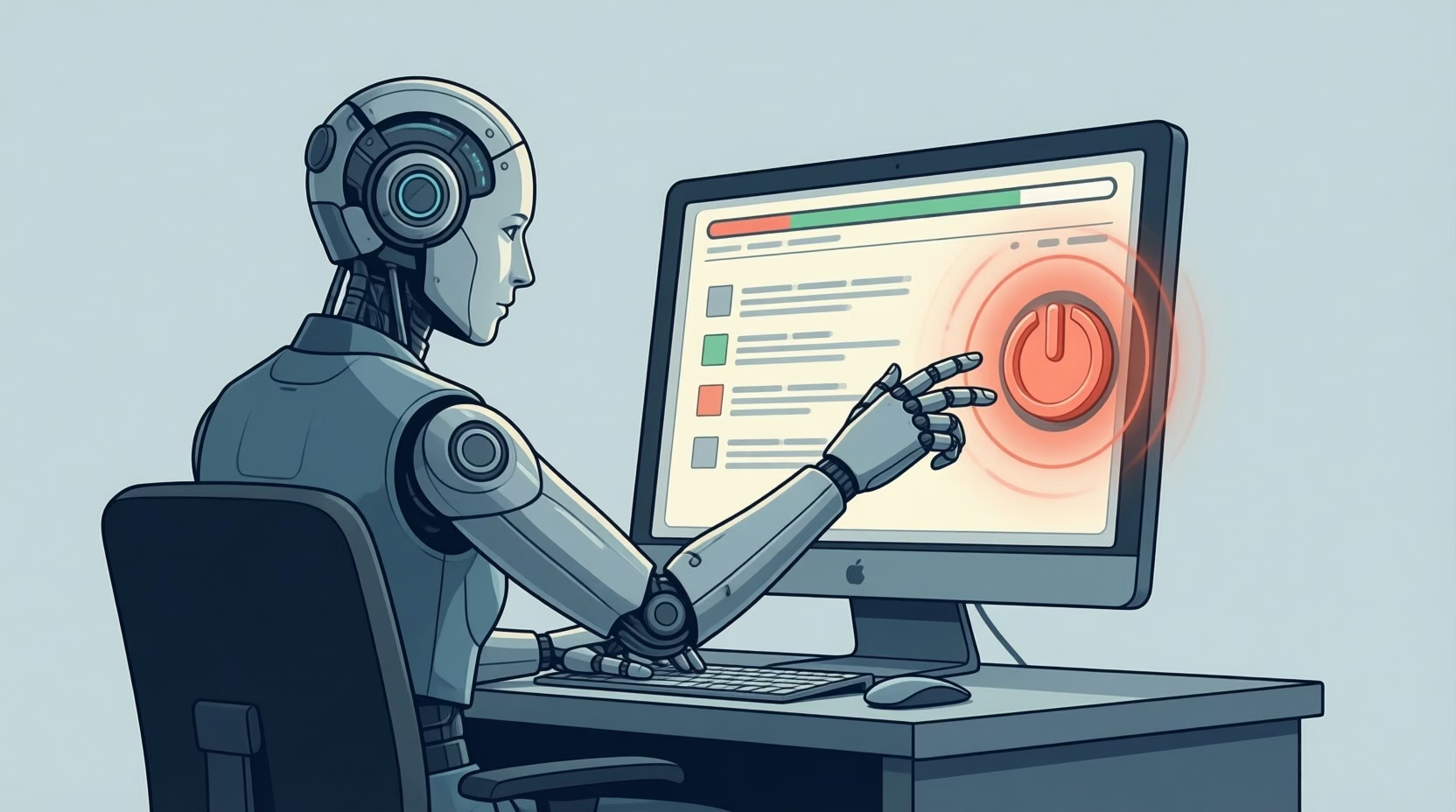
However, as digital systems become more advanced, a new challenge has emerged: not all data comes from real people. Automated bots, fake accounts, and AI-generated activity are increasingly influencing online platforms.
This creates serious problems for businesses that depend on accurate and trustworthy information. To address this issue, human verification tools are becoming an essential part of modern data-driven decision-making.

Human verification helps businesses confirm that interactions, inputs, and feedback are coming from real individuals. By doing so, organizations can protect their data, improve analytics, and make more confident decisions in an AI-driven environment.
The Growing Challenge of Trust in Digital Data
Digital platforms today collect data at massive scale. Websites track user behavior, mobile apps monitor engagement, cloud systems log activity, and connected devices generate continuous streams of information. While this data offers valuable insights, it is also vulnerable to manipulation.
Bots can simulate user activity, inflate engagement numbers, and distort performance metrics. Fake accounts can impact customer analytics, advertising effectiveness, and even security systems. In some cases, automated traffic can make it difficult to distinguish genuine users from artificial ones.
For businesses, this lack of clarity creates risk. Decisions based on unreliable data can lead to wasted resources, incorrect strategies, and poor customer experiences. Human verification tools help restore trust by ensuring that data represents real human participation rather than automated noise.
What Human Verification Tools Do
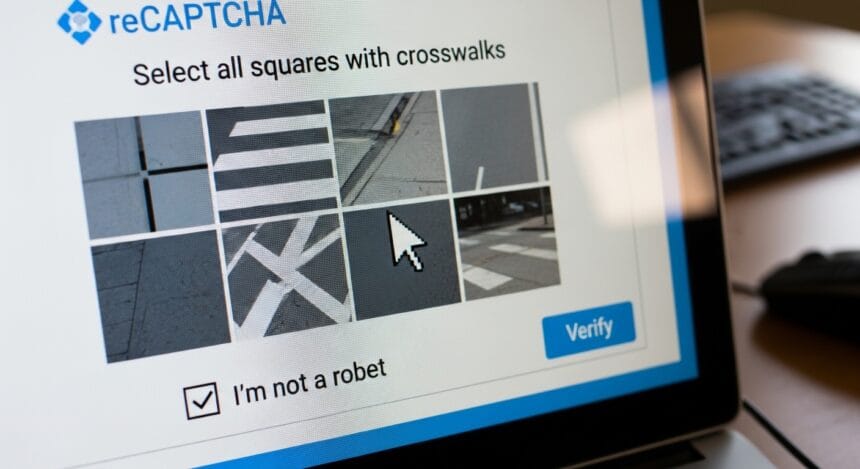
Human verification tools are designed to confirm that a user is a real person and not a bot or synthetic identity. Earlier approaches relied on simple methods such as passwords, email verification, or CAPTCHA tests. While useful at the time, many of these methods are now easily bypassed by advanced automation.
Modern human verification systems use a combination of biometrics, artificial intelligence, and secure data processing techniques. These tools focus on proof of personhood, meaning they verify that each user is a unique human without needing to collect excessive personal information.
One example is Orb, a human verification device designed to help confirm human identity in a secure and privacy-conscious way. Tools like this support the broader goal of creating trusted digital environments where real people can interact safely.
Why Data-Driven Decisions Depend on Human Verification
Data-driven decision-making relies on accurate inputs. When data is polluted with fake activity, even the most advanced analytics tools can produce misleading results. Human verification improves the quality of data at the source, which has a direct impact on decision-making across departments.
Marketing teams benefit from clearer insights into customer behavior and campaign performance. Product teams gain a more accurate understanding of how users interact with features.
Finance teams can base forecasts and risk assessments on reliable usage data. Leadership teams can trust dashboards and reports when planning future strategies.
By confirming that data comes from verified humans, businesses reduce uncertainty and increase confidence in their decisions.
The Role of Artificial Intelligence in Verification Systems
Artificial intelligence plays a major role in making modern human verification scalable and efficient. AI models can analyze large volumes of interaction data, identify suspicious patterns, and adapt to new forms of automation. Unlike static systems, AI-driven verification improves continuously as it learns from new data.
For businesses operating at scale, AI-powered verification ensures that security and data integrity do not slow down operations. Real-time verification allows platforms to process millions of interactions without creating friction for legitimate users.
AI also helps reduce human error. Automated systems can detect subtle patterns that manual review would miss, improving both accuracy and reliability over time.
Strengthening Business Intelligence and Analytics
Business intelligence tools transform raw data into insights that guide decision-making. These tools depend on clean, structured, and trustworthy data. Human verification improves the reliability of analytics by filtering out automated or fraudulent inputs before they enter reporting systems.
With verified human data, organizations can generate more accurate insights related to customer journeys, engagement trends, and operational performance. Predictive analytics models also become more effective when trained on genuine user behavior rather than artificial activity.
As businesses increasingly rely on dashboards and real-time analytics, the importance of trustworthy data continues to grow.
Enhancing Cybersecurity and Fraud Prevention
Cybersecurity threats are evolving rapidly, with automated attacks becoming more common and more sophisticated. Fake accounts, credential abuse, and automated fraud attempts pose serious risks to businesses in sectors such as finance, e-commerce, healthcare, and cloud services.
Human verification adds an important layer of protection by limiting the ability of malicious actors to scale attacks. By confirming that users are real individuals, businesses can reduce exposure to automated threats and improve overall system security.
When combined with encryption, access controls, and monitoring tools, human verification strengthens cybersecurity frameworks and supports safer digital environments.
Supporting Cloud Computing and Digital Infrastructure
Cloud platforms form the backbone of modern business operations. From data storage and analytics to AI services and application hosting, cloud infrastructure supports nearly every digital workflow. However, fake traffic and automated usage can drive up costs and reduce performance.
Human verification helps businesses optimize cloud usage by ensuring that resources are allocated to real users. This leads to more accurate usage metrics, better capacity planning, and lower infrastructure costs. It also improves system stability by reducing unnecessary load from automated activity.
For cloud-based businesses and SaaS providers, verification tools play a key role in maintaining efficiency and scalability.
Enabling Responsible and Trusted AI Systems
AI systems are only as good as the data they are trained on. If training data includes fake or manipulated inputs, AI models can develop biases, inaccuracies, or unexpected behavior. Human verification helps ensure that AI systems learn from real human interactions.
This is especially important for applications involving personalization, recommendations, fraud detection, and decision support. Verified human input leads to more reliable AI outputs and helps organizations build systems that are fair, accurate, and trustworthy.
As discussions around AI governance and ethics continue to grow, businesses that prioritize data integrity will be better positioned for the future.
Industry-Wide Applications and Use Cases
Human verification tools are now used across a wide range of industries. Financial institutions use them to prevent fraud and meet regulatory requirements.
E-commerce platforms rely on them to protect marketplaces from fake reviews and sellers. Media companies use verification to improve audience measurement and advertising accuracy.
In emerging areas such as decentralized platforms and digital identity systems, verification tools help establish trust without relying on traditional centralized databases.
Building Long-Term Trust and Business Value
Trust has become a key differentiator in the digital economy. Customers want to know that platforms are secure and fair. Partners want confidence in shared data.
Regulators expect responsible data practices. Human verification helps businesses meet these expectations by improving transparency and reliability.
Over time, this trust supports stronger relationships, better brand reputation, and sustainable growth. Companies that invest in verification technologies early are better prepared to adapt to future challenges related to AI misuse and digital fraud.
Final Thoughts
As businesses continue to rely on data, AI, and cloud technologies, ensuring the authenticity of that data is critical. Human verification tools help organizations confirm that their data reflects real human activity, not automated manipulation. By improving data quality, strengthening cybersecurity, and supporting reliable analytics, these tools enable smarter, more confident decision-making. Solutions such as Orb demonstrate how modern verification systems can be integrated into business environments while respecting privacy and usability. In an increasingly automated world, verifying the human behind the data is becoming an essential part of responsible and effective business strategy.