Cloud Computing –The Benefactor of Data Management
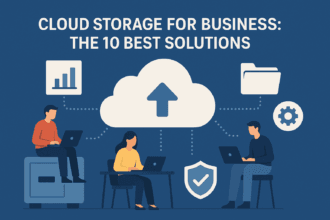
According to the IDC report, the spending on public and private clouds is expected to exceed $100 billion this year. Cloud integration has been connecting diverse Data Management technologies including Big Data, the Internet of Things (IoT), and even social media. Mobile computing and its integrated advanced analytics options also owe a lot to cloud computing paradigms for its success.
Cloud Computing –The Benefactor of Data Management
According to the IDC report, the spending on public and private clouds is expected to exceed $100 billion this year. Cloud integration has been connecting diverse Data Management technologies including Big Data, the Internet of Things (IoT), and even social media. Mobile computing and its integrated advanced analytics options also owe a lot to cloud computing paradigms for its success.

Now times are changing. The focus will shift from individual devices, to software models that span devices. Cloud applications highlight the shift in more ways than one.
The cloud also helps in provisioning resources on demand with nearly unlimited storage, less infrastructure costs, and improving agility. Now enterprise resources will no longer be restricted to certain devices. Backups will be plentiful with the ability to access the Cloud. Cloud computing has substantial ramifications for the proliferating world of mobile computing and deployment of data centers.
The World of Mobile Cloud Computing Defeating Conventional Norms
The incorporation of mobile technologies is expected to push cloud computing beyond conventional norms. The utility of mobile computing is mostly associated with location, usage, and cost. It will also result in freedom for users to switch between devices with data security in place irrespective of a different device. The aforementioned benefits the computers in our pockets with the increase in number of mobile apps in recent times.
Mobile technologies are responsible for growing demands with immediate gratification being the highlight prompting companies to react quickly and strongly.The most pivotal aspect of relationship between mobile and the Cloud is that mobility has increased its boundaries beyond the smartphones and tablets. Here are the types of mobile devices and technologies that are encapsulated within mobile cloud computing.
– Internet of Things (IoT)
The expansion of IoT is referring to the shift for Cloud Computing. The connectivity of devices that generate data can be stored and parsed with the help of analytics, using Cloud’s scalability. A number of devices now interact with enterprise systems on a continual basis.
These wearables include smart watches, glasses, vehicles, wrist phones, and several other devices that mandate a switch from conventional server-based model to the Cloud-based model. The cloud now is the coordination point and also the system of record, while applications include clients that expose capabilities through APIs and service interfaces
Cloud Models and Multiple Cloud Management
Of the several concerns raised by the bumpy transition in computing modelswith the Cloud, is the model employed by the enterprise which remains at the center. Private Clouds hosted on-premise have been removed off late with the continued ascendancy of public and hybrid Clouds. There are varied regulatory hassles with operating private clouds.
Security concerns regarding data have not completely subsided. Utilizing multiple Clouds helps enterprises recover data in the event of breach or failure. Utilizing more than one Cloud service also reduces the dependency on a single Cloud service provider. In the coming months, more tools will be introduced to manage resources across different cloud environments. To determine which clouds should run with the type of workloads should be dynamic and manageable for resource optimization and reduced costs.
Implications of smart mobility and cloud computing at the enterprise
– Security still remains a prime inhibitor for Cloud Computing usage and the incorporation of mobile technologies produces this effect too.
– Security concerns related to hosted data need to be addressed at the endpoint and also on the application level.
– Innovations like virtual and physical tokens, fingerprinting, and other IT based monitoring tools are bound to user in a new wave of mobile cloud computing.
– Two-factor authentication process and user role-based workspaces will help in reducing security issues from the mobility end.
DevOps and the overall Cloud’s impact on mobile paradigm for computing is completely bilateral. Developed apps are based on interaction points and connectivity for mobile usage. On the other hand, DevOps personnel serve customers with the help of the virtual environment for their creation, testing, and monitoring requirements. DevOps functions as a prominent driver for the cloud and helps its transition in computing to a mobile model.
Conclusion
The Cloud’s influence on overall data management is unparalleled among different technologies as it functions as the crucial point of integration for utilizing data. The cloud provides ubiquitous accessibility that is required by mobile technologies, and satiate the need for interaction among enterprises. Although the consumer market is using the cloud more than the enterprise today, the overall spending and utilization of mobile computing is bound to surpass present trends for the enterprise world. One can expect that in a year or two, the consumer market will even out with the enterprise usage of the mobile cloud. And with the changing times, one can witness the inexorable transition from the traditional server based model to a faster and more accessible mobile model of computing.