Cookies help us display personalized product recommendations and ensure you have great shopping experience.

By using this site, you agree to the Privacy Policy and Terms of Use.
Accept
SmartData CollectiveSmartData Collective
  • Analytics
    AnalyticsShow More
    predictive analytics risk management
    How Predictive Analytics Is Redefining Risk Management Across Industries
    7 Min Read
    data analytics and gold trading
    Data Analytics and the New Era of Gold Trading
    9 Min Read
    composable analytics
    How Composable Analytics Unlocks Modular Agility for Data Teams
    9 Min Read
    data mining to find the right poly bag makers
    Using Data Analytics to Choose the Best Poly Mailer Bags
    12 Min Read
    data analytics for pharmacy trends
    How Data Analytics Is Tracking Trends in the Pharmacy Industry
    5 Min Read
  • Big Data
  • BI
  • Exclusive
  • IT
  • Marketing
  • Software
Search
© 2008-25 SmartData Collective. All Rights Reserved.
Reading: The Future of Cloud Computing: Emerging Trends
Share
Notification
Font ResizerAa
SmartData CollectiveSmartData Collective
Font ResizerAa
Search
  • About
  • Help
  • Privacy
Follow US
© 2008-23 SmartData Collective. All Rights Reserved.
SmartData Collective > IT > Cloud Computing > The Future of Cloud Computing: Emerging Trends
Cloud Computing

The Future of Cloud Computing: Emerging Trends

Roman Vladimirov
Roman Vladimirov
3 Min Read
Image
SHARE

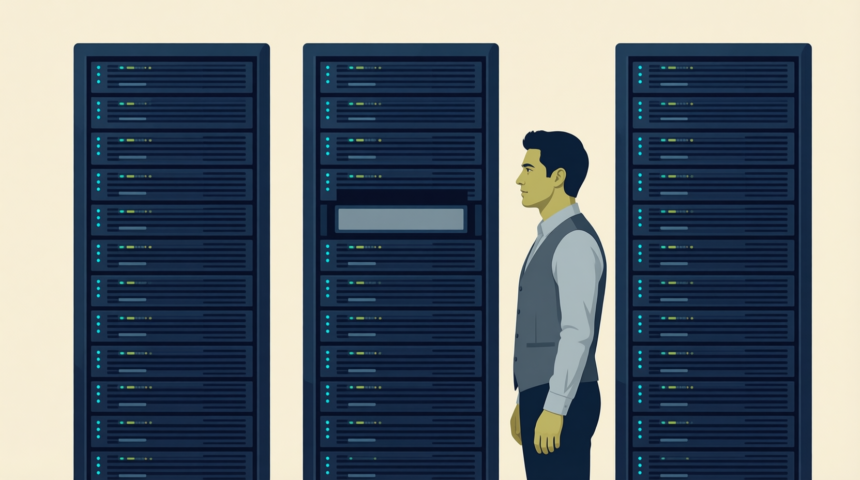
ImageCloud technology gives businesses the ability to store, share and analyze data more efficiently and put it to use to improve operations, drive sales and otherwise help companies grow.

ImageCloud technology gives businesses the ability to store, share and analyze data more efficiently and put it to use to improve operations, drive sales and otherwise help companies grow. Cloud computing trends indicate that this technology is still transforming and adapting to be even more beneficial for those who use it for data visualization and advanced analytics.

Security
Cloud technology allows companies to collect and store business intelligence and big data in a secure location, but many are still wary of the risks associated with moving to the cloud. Computerworld reported that businesses need to take safety precautions when moving their data to a cloud, but as long as security is a top concern during this process, the information will be protected. A recent study by Intermap found that only 15 percent of businesses with knowledge of cloud services were concerned with safety, but more “cloud-wary” companies (40 percent) had security concerns when it came to moving to cloud technology. 

Different cloud providers offer various security measures. For instance, the hybrid cloud, which combines both public and private clouds, provides new opportunities for scalable security, according to CIOL. This allows for tiered security with features like access control policies that will keep information secure.

More Read

Big Data and Cloud Computing Demand a Cognitive Shift
How listening to our cars will improve the driving experience
Data Warehouse “as a Service” – A Good Pick for Mid-Sized Companies
The Effects of Cloud Computing on the Health Care Industry
Wave of Cloud Security Concerns After Another Celebrity Leak

Standardization
Sharing documents and information within one cloud is simple, but what if you need to share data between different clouds? InformationWeek reported that as cloud technology advances, it will likely be forced to reach a level of standardization that allows for more easily integrated services across providers. Currently, providers are operating with more than 160 different cloud computing standards, but the source stated that this will need to be pared down to fuel interoperability and portability.

Private cloud sharing
Private clouds are increasingly being used in corporate settings, as CIOL reported that this helps companies determine whether to run processes internally or externally, giving them more control over the cloud. This also allows for real-time analytics and provides scalability that will adapt along with technological advances and company growth.

Consolidated data
As business intelligence analytics becomes a more integral aspect of running a successful company, there will be an increased need for streamlined, efficient IT services. CIOL pointed out that consolidation of data in the cloud can allow for better visualization. In turn, this will make it easier for professionals to make improvements to various IT systems, cut costs and do it all in a quick and concise fashion.

Share This Article
Facebook Pinterest LinkedIn
Share

Follow us on Facebook

Latest News

street address database
Why Data-Driven Companies Rely on Accurate Street Address Databases
Big Data Exclusive
predictive analytics risk management
How Predictive Analytics Is Redefining Risk Management Across Industries
Analytics Exclusive Predictive Analytics
data analytics and gold trading
Data Analytics and the New Era of Gold Trading
Analytics Big Data Exclusive
student learning AI
Advanced Degrees Still Matter in an AI-Driven Job Market
Artificial Intelligence Exclusive

Stay Connected

1.2kFollowersLike
33.7kFollowersFollow
222FollowersPin

You Might also Like

cloud security tech
Security

Building Resilience Strategies to Overcome Cloud Security Issues

10 Min Read

What Is Network Virtualization?

3 Min Read

Signs the Cloud Isn’t Right for Your Business

3 Min Read

Department of Defense’s Cloud Computing Strategy: Saving Money & Increasing Security

4 Min Read

SmartData Collective is one of the largest & trusted community covering technical content about Big Data, BI, Cloud, Analytics, Artificial Intelligence, IoT & more.

ai is improving the safety of cars
From Bolts to Bots: How AI Is Fortifying the Automotive Industry
Artificial Intelligence
AI and chatbots
Chatbots and SEO: How Can Chatbots Improve Your SEO Ranking?
Artificial Intelligence Chatbots Exclusive

Quick Link

  • About
  • Contact
  • Privacy
Follow US
© 2008-25 SmartData Collective. All Rights Reserved.
Go to mobile version
Welcome Back!

Sign in to your account

Username or Email Address
Password

Lost your password?