
We use cookies, including third-party cookies from Google to serve personalized ads through AdSense, to operate this site and understand how it is used. By continuing to browse, you accept this use. See our Privacy Policy and Terms of Use for details, including how to opt out of personalized advertising.
Accept
SmartData CollectiveSmartData Collective
  • Analytics
    AnalyticsShow More
    What Kind of Problem-Solving Distinguishes Data Analysts From Software Engineers -- AI-generated illustration
    What Kind of Problem-Solving Distinguishes Data Analysts From Software Engineers
    7 Min Read
    chatgpt image jul 21, 2026, 04 34 30 pm
    4 Core Benefits of Predictive Maintenance after Vibration Analysis
    10 Min Read
    How Does Data Mining Boost Customer Satisfaction in Logistics? Harnessing Analytics for Results -- AI-generated illustration
    How Does Data Mining Boost Customer Satisfaction in Logistics? Harnessing Analytics for Results
    11 Min Read
    chatgpt image jul 13, 2026, 04 23 45 pm
    How Data Analytics Helps Companies Improve User Engagement
    19 Min Read
    chatgpt image jul 13, 2026, 03 59 46 pm
    How Data Analytics Improves Multi-Location Search Strategies
    10 Min Read
  • Big Data
  • BI
  • Exclusive
  • IT
  • Marketing
  • Software
Search
© 2008-25 SmartData Collective. All Rights Reserved.
Reading: Top 3 Reasons You Need a Chief Data Officer
Share
Notification
Font ResizerAa
SmartData CollectiveSmartData Collective
Font ResizerAa
Search
  • About
  • Help
  • Privacy
Follow US
© 2008-23 SmartData Collective. All Rights Reserved.
SmartData Collective > Data Management > Best Practices > Top 3 Reasons You Need a Chief Data Officer
Best PracticesBusiness IntelligenceCulture/LeadershipInside CompaniesPolicy and Governance

Top 3 Reasons You Need a Chief Data Officer

Brett Stupakevich
Brett Stupakevich
4 Min Read
Top 3 Reasons You Need a Chief Data Officer
Illustrative image generated with OpenAI gpt-image-1.
SHARE

In order for any business to realize the value of its data, the data should be activity managed across the entire organization. And that means someone should have clear responsibility for the data.

But who should that be?

According to Capgemini, that person should be the chief data officer (CDO).

Unlike the chief information officer and the chief technology officer who are concerned with the technological infrastructure of an organization, the CDO is focused on the quality, management, governance and the availability of data.

More Read

The Paradox of Data Visualization
Customer Data Integration (CDI) – for a Single View of Your Customer
Delivering Data in Excel: The DTP Framework
How To Share Data Safely Across Your Supply Chain
Where in the World Does All this ESRI World Data Come from?

To accomplish this, the CDO comes equipped with executive-level authority over data. And when it comes to data, “the buck stops” with the CDO, meaning the chief data officer is accountable to the board of directors, the executive management team, and other stakeholders.

With the advent of an increasing variety of data sources – data from mobile devices, web session logs, sensors, structured data, unstructured data, clickstream, etc. – the CDO’s position is gaining increased importance. The CDO sets the direction of the data management office (DMO), a new office designed to serve as the central unit for any issues related to data. The CDO also selects, manages and trains individuals in their new roles as data scientists.

While the Capgemini article lists 18 drivers that have led to the adoption of the CDO, I have boiled the author’s main points down to three:

  1. Data Stewardship – The CDO should be the person anointed by executive management to be the chief data owner, strategist and the C-level data champion.
  2. Data Aggregation – The CDO should lead policies to bring together data silos from distributed systems across the organization. The CDO should be responsible for building bridges between business units, creating an enterprise focus for the data. Data aggregation leads to budget consolidations since individual business units will have to coordinate data efforts though the DMO, eliminating both the duplication of efforts and data disparity.
  3. Data Communication –The CDO should ensure that business units across the organization communicate effectively by eliminating data semantic disparity. The CDO will maintain standard business terms so that when one unit is referencing a data term it has the same meaning to all units of the organization. For example, when finance talks to products about profits the two departments are talking about the same data attributes. To accomplish this the DMO, led by the CDO, will be responsible for identifying critical enterprise data elements including taxonomies, glossaries, business dictionaries, metadata management, and information rationalization. The CDO is also the designated champion from senior management to educate and guide the company in putting strategic data plans into operation.

Data is a strategic asset that needs to be managed and promoted on the executive level. Management of data includes data governance, data policy development, management of the DMO and all things related to the timeliness and quality of data. The CDO is increasingly becoming the C-level executive charged with ensuring that the organization’s data is available and in good shape – helping the organization realize the true value in its data.

Next steps:

  • Subscribe to our blog to stay up to date on the latest insights and trends in big data, data analytics and data management.
  • See how Spotfire version 4.5 can empower your CDO to discover actionable insights hidden in big data and unstructured information in our on-demand webcast, “What’s New with Spotfire 4.5.”

Dennis Earl Hardy
Spotfire Blogging Team

Share This Article
Facebook Pinterest LinkedIn
Share

Follow us on Facebook

Latest News

Flat editorial illustration: The article connects weekly technician productivity and related shop metrics to timely scheduling an
Workforce Analytics for Auto Repair Shops: Reading Technician Productivity Weekly
Business Intelligence Exclusive
Flat editorial illustration: A business-editorial depiction of two account-growth routes: data-guided targeted advertising and cr
Targeted Ads and Cross-Promotion: Using Audience Segments and Platform Statistics to Grow
Exclusive Social Data
Flat editorial illustration: Business and SaaS-editorial concept: a prospective development team proves its fit by testing a boun
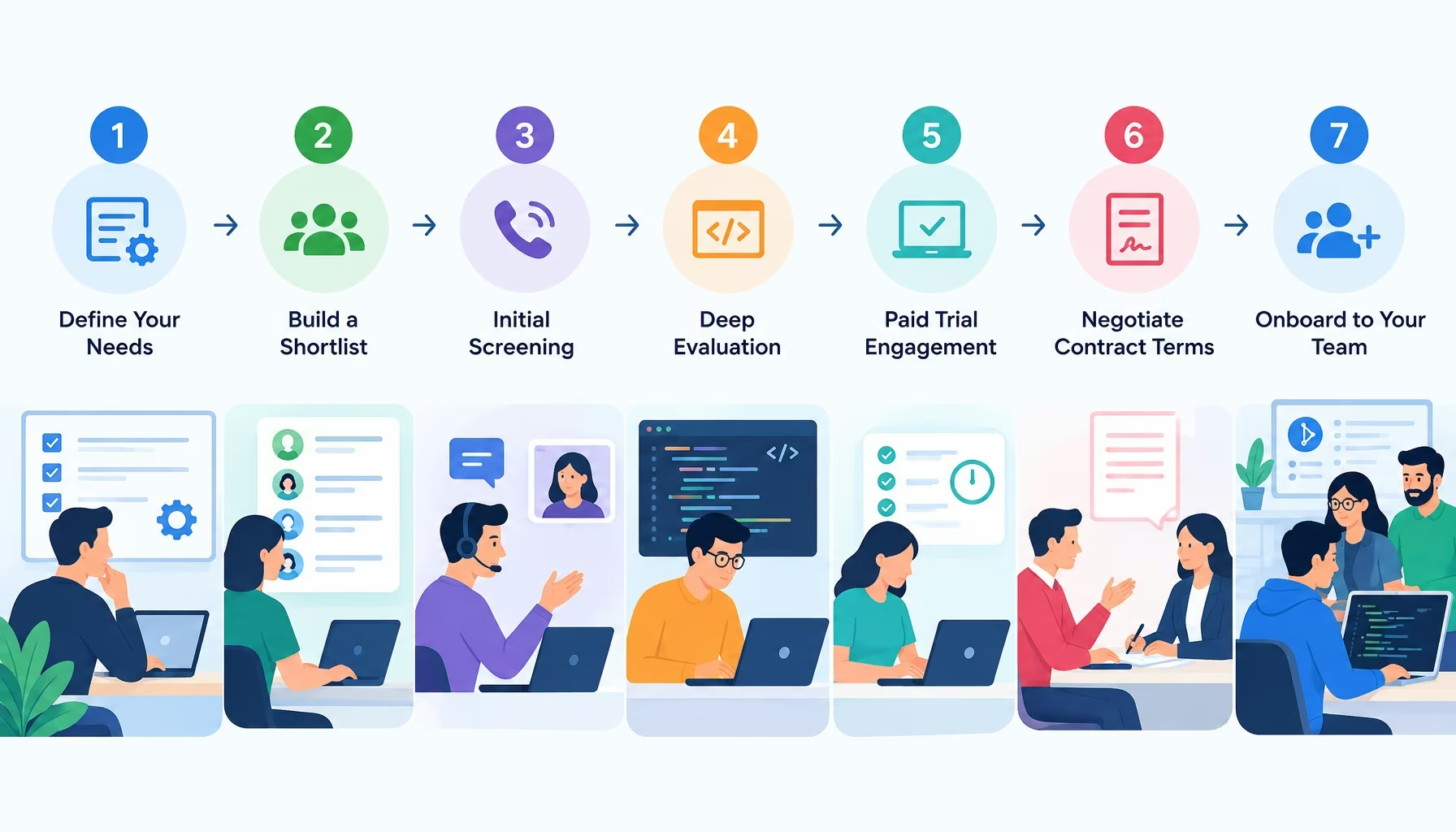
Hiring a Dedicated Development Team for Your Existing Stack and Delivery Process
Development Exclusive
Flat editorial illustration: The article is about modernizing legacy software incrementally without stopping live operations. A t
7 Top Legacy Software Modernization Companies in Europe for 2027
Exclusive Software

Stay Connected

1.2KFollowersLike
33.7KFollowersFollow
222FollowersPin

You Might also Like

AI Creates A New Generation Of VPN Passthrough Tools
Artificial IntelligenceExclusiveSecurity

AI Creates A New Generation Of VPN Passthrough Tools

6 Min Read
Getting Real Value from BI Investments
Business Intelligence

Getting Real Value from BI Investments

4 Min Read
Marketing
AnalyticsBig DataMarket ResearchMarketing

Defeat Common Hurdles to Make Big Data More Effective for Marketing

5 Min Read
SOA for Process and Data Integration
Business IntelligenceDecision Management

SOA for Process and Data Integration

5 Min Read

SmartData Collective is one of the largest & trusted community covering technical content about Big Data, BI, Cloud, Analytics, Artificial Intelligence, IoT & more.

Chatbots and SEO: How Can Chatbots Improve Your SEO Ranking?
Artificial Intelligence Chatbots Exclusive
From Bolts to Bots: How AI Is Fortifying the Automotive Industry
Artificial Intelligence

Quick Link

  • About
  • Contact
  • Privacy
Follow US
© 2008-26 SmartData Collective. All Rights Reserved.
Welcome Back!

Sign in to your account

Username or Email Address
Password

Lost your password?