We use cookies, including third-party cookies from Google to serve personalized ads through AdSense, to operate this site and understand how it is used. By continuing to browse, you accept this use. See our Privacy Policy and Terms of Use for details, including how to opt out of personalized advertising.
Accept
SmartData CollectiveSmartData Collective
  • Analytics
    AnalyticsShow More
    chatgpt image jul 21, 2026, 04 34 30 pm
    4 Core Benefits of Predictive Maintenance after Vibration Analysis
    10 Min Read
    How Does Data Mining Boost Customer Satisfaction in Logistics? Harnessing Analytics for Results -- AI-generated illustration
    How Does Data Mining Boost Customer Satisfaction in Logistics? Harnessing Analytics for Results
    11 Min Read
    chatgpt image jul 13, 2026, 04 23 45 pm
    How Data Analytics Helps Companies Improve User Engagement
    19 Min Read
    chatgpt image jul 13, 2026, 03 59 46 pm
    How Data Analytics Improves Multi-Location Search Strategies
    10 Min Read
    cybersecurity efforts
    How Behavioral Analytics and AI Are Redefining Cybersecurity for Boca Raton Businesses
    14 Min Read
  • Big Data
  • BI
  • Exclusive
  • IT
  • Marketing
  • Software
Search
© 2008-25 SmartData Collective. All Rights Reserved.
Reading: Cloudsourcing, new options in the cloud
Share
Notification
Font ResizerAa
SmartData CollectiveSmartData Collective
Font ResizerAa
Search
  • About
  • Help
  • Privacy
Follow US
© 2008-23 SmartData Collective. All Rights Reserved.
SmartData Collective > Uncategorized > Cloudsourcing, new options in the cloud
Uncategorized

Cloudsourcing, new options in the cloud

mfauscette
mfauscette
7 Min Read
Cloudsourcing, new options in the cloud
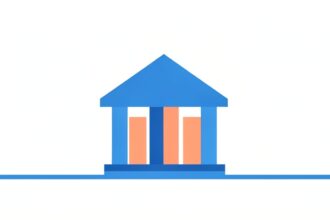
Illustration generated with FLUX.1 [schnell] via Cloudflare Workers AI.
SHARE

As we go into the week of Salesforce.com’s Dreamforce conference I was thinking back to last year. I remember walking over to the conference center and feeling a little annoyed that there were “clouds” on almost everything, buildings, buses, cars, people, bus stops… you name it, it had a cloud stuck on it. Now that is good marketing hype, I guess, but at the time that was about all it was for me. I mean I did understand what the “new” words meant (actually nothing really new, just new ways of saying things). A year later there probably will still be a bunch of clouds on my walk over, but I have to say I’m getting used to the term. There are finally some new things that I think we should talk about when it comes to “cloud” (and if you know me, you know that it is still a little hard to say the actual word).

Before continuing the discussion let’s define a few things just so you know what I’m talking about (and that my definitions may not be exactly like some of the other ones you’ll hear). First, let’s talk about what I use the word cloud to describe (when I’m not talking about something fluffy in the sky). For me, cloud is simply the computing infrastructure need to do some computing work (servers, storage, plumbing to connect to the Internet) but sitting somewhere in a data center. It’s essentially computing power served up as a utility (think electricity or cable TV).

From that simple thought, then, there are two basic types of clouds (not cumulus and nimbus), I mean classified based on location: Public cloud and Private cloud. The public cloud is, well public (duh), like Amazon Web Services or Salesforce.com Force.com platform. You can pay a fee and use the computing power offered by the public “utility” provider. Private clouds are restricted to some specific individual or group use, like GE’s datacenters. You can’t call GE up on the phone and buy computing power from them (well, at least not yet).

The folks at Appirio put together a very cool interactive map of the Cloud Ecosystem today. They do break out three types of clouds — public, private and vendor — but for me, I’d just call vendor the same as public. (Yes, I realize you’re buying actual applications in the vendor segmentation, but I just don’t really see a fundamental difference, I’m still paying for the use of some computing resource AND the use of an app.) In all these cases you are essentially using the cloud to deliver some cloud application or other cloud service (like storage or security). You might pay for the use of the cloud app plus the computing power underneath, but the concept is still the same. The real value to a business with this cloud concept is flexibility, adaptability and potentially cost savings. (There’s a whole different line of thinking that I have around the effect of utility computing, or perhaps I should say commodity computing on pricing. If it’s a commodity and scalable, then the pricing should be driven down… anyway, that’s not what I wanted to talk about today.)

So the new thing that I’m starting to see, or perhaps it’s not exactly new but actually the extension of a concept. The idea is something that I’ve heard called software in a service or cloudsourcing. It’s really an extension of the business process outsourcing (BPO) business that exists today. There could be significant value generated to businesses by combining the two concepts, cloud computing and outcourcing a business process, to a third party. It takes cloud to the next step and offers the valuable combination for business of leveraging cloud computing plus a cloud app (or cloud service) plus business process execution in one bundle. The concept is still forming but I think it will be one of the big trends for the next few years as more offerings emerge and businesses look to offload non-core processes to less costly solutions.

TAGGED:cloud computing
Share This Article
Facebook Pinterest LinkedIn
Share

Follow us on Facebook

Latest News

How Local Service Businesses Can Map Which Neighborhoods Generate the Most Revenue -- AI-generated illustration
How Local Service Businesses Can Map Which Neighborhoods Generate the Most Revenue
Business Intelligence
Best VMware Alternatives in Thailand for Private Cloud and HCI Deployments -- AI-generated illustration
Best VMware Alternatives in Thailand for Private Cloud and HCI Deployments
Cloud Computing Exclusive IT
Using Safety Metrics and Incident Data to Reduce Construction Risk and Insurance Costs -- AI-generated illustration
Using Safety Metrics and Incident Data to Reduce Construction Risk and Insurance Costs
Big Data Exclusive
How Business Intelligence Can Help Small Businesses Build Better Decision Rules -- AI-generated illustration
How Business Intelligence Can Help Small Businesses Build Better Decision Rules
Business Intelligence Business Rules Exclusive

Stay Connected

1.2KFollowersLike
33.7KFollowersFollow
222FollowersPin

You Might also Like

Prototyping Cloud Analytic Applications
Business Intelligence

Prototyping Cloud Analytic Applications

4 Min Read

Managed Hosting: Let Somebody Else Do the Heavy Lifting

5 Min Read
News from Washington: Teradata solutions for cloud computing and geospatial data
Data Warehousing

News from Washington: Teradata solutions for cloud computing and geospatial data

5 Min Read
SumTotal Systems Sums Up Human Capital Management
AnalyticsCollaborative DataInside Companies

SumTotal Systems Sums Up Human Capital Management

7 Min Read

SmartData Collective is one of the largest & trusted community covering technical content about Big Data, BI, Cloud, Analytics, Artificial Intelligence, IoT & more.

ai chatbot
How AI Website Chatbots Improve Customer Support and Lead Generation
Chatbots Exclusive
How To Get An Award Winning Giveaway Bot
Big Data Chatbots Exclusive

Quick Link

  • About
  • Contact
  • Privacy
Follow US
© 2008-26 SmartData Collective. All Rights Reserved.
Welcome Back!

Sign in to your account

Username or Email Address
Password

Lost your password?