We use cookies, including third-party cookies from Google to serve personalized ads through AdSense, to operate this site and understand how it is used. By continuing to browse, you accept this use. See our Privacy Policy and Terms of Use for details, including how to opt out of personalized advertising.
Accept
SmartData CollectiveSmartData Collective
  • Analytics
    AnalyticsShow More
    What Kind of Problem-Solving Distinguishes Data Analysts From Software Engineers -- AI-generated illustration
    What Kind of Problem-Solving Distinguishes Data Analysts From Software Engineers
    7 Min Read
    chatgpt image jul 21, 2026, 04 34 30 pm
    4 Core Benefits of Predictive Maintenance after Vibration Analysis
    10 Min Read
    How Does Data Mining Boost Customer Satisfaction in Logistics? Harnessing Analytics for Results -- AI-generated illustration
    How Does Data Mining Boost Customer Satisfaction in Logistics? Harnessing Analytics for Results
    11 Min Read
    chatgpt image jul 13, 2026, 04 23 45 pm
    How Data Analytics Helps Companies Improve User Engagement
    19 Min Read
    chatgpt image jul 13, 2026, 03 59 46 pm
    How Data Analytics Improves Multi-Location Search Strategies
    10 Min Read
  • Big Data
  • BI
  • Exclusive
  • IT
  • Marketing
  • Software
Search
© 2008-25 SmartData Collective. All Rights Reserved.
Reading: 2000-2010: How Technology Changed the Way We Work
Share
Notification
Font ResizerAa
SmartData CollectiveSmartData Collective
Font ResizerAa
Search
  • About
  • Help
  • Privacy
Follow US
© 2008-23 SmartData Collective. All Rights Reserved.
SmartData Collective > Inside Companies > 2000-2010: How Technology Changed the Way We Work
Inside Companies

2000-2010: How Technology Changed the Way We Work

MIKE20
MIKE20
2 Min Read
2000-2010: How Technology Changed the Way We Work
Illustrative image generated with OpenAI gpt-image-1.
SHARE

2000-2010 brought about some rapid advances in enterprise technology. From cloud computing to SaaS, small and large businesses alike became equipped with cheaper, more efficient programs to conduct their operations. Improvements in web technology and the increased availability of information leveled the playing field for start-ups, entrepreneurs and virtual companies to compete with the “big guys” as an era of “collaboration” and “wikis” took the world by storm. Employees and business owners chose to work smarter rather than harder as competition in the service industry skyrocketed. And as Thomas Friedman predicted so eloquently, the world got flatter, and in this new world we developed new markets that spanned both coast and country lines. The ability of businesses to evolve on pace with technology quickly determined their success or demise, as departments that once had no tangent with IT found themselves reliant on it for daily operations.

It’s been an exciting decade of advancement and accomplishment in the ever-expanding fields of enterprise and web technology– two fields that power most businesses operations today.  Having had the benefit of using many of these emerging technologies at MIKE2.0, we look forward to what the next 10 years has in store for us and our members.

Read more at MIKE2.0: The Open Source Standard for Information Management
TAGGED:technology
Share This Article
Facebook Pinterest LinkedIn
Share

Follow us on Facebook

Latest News

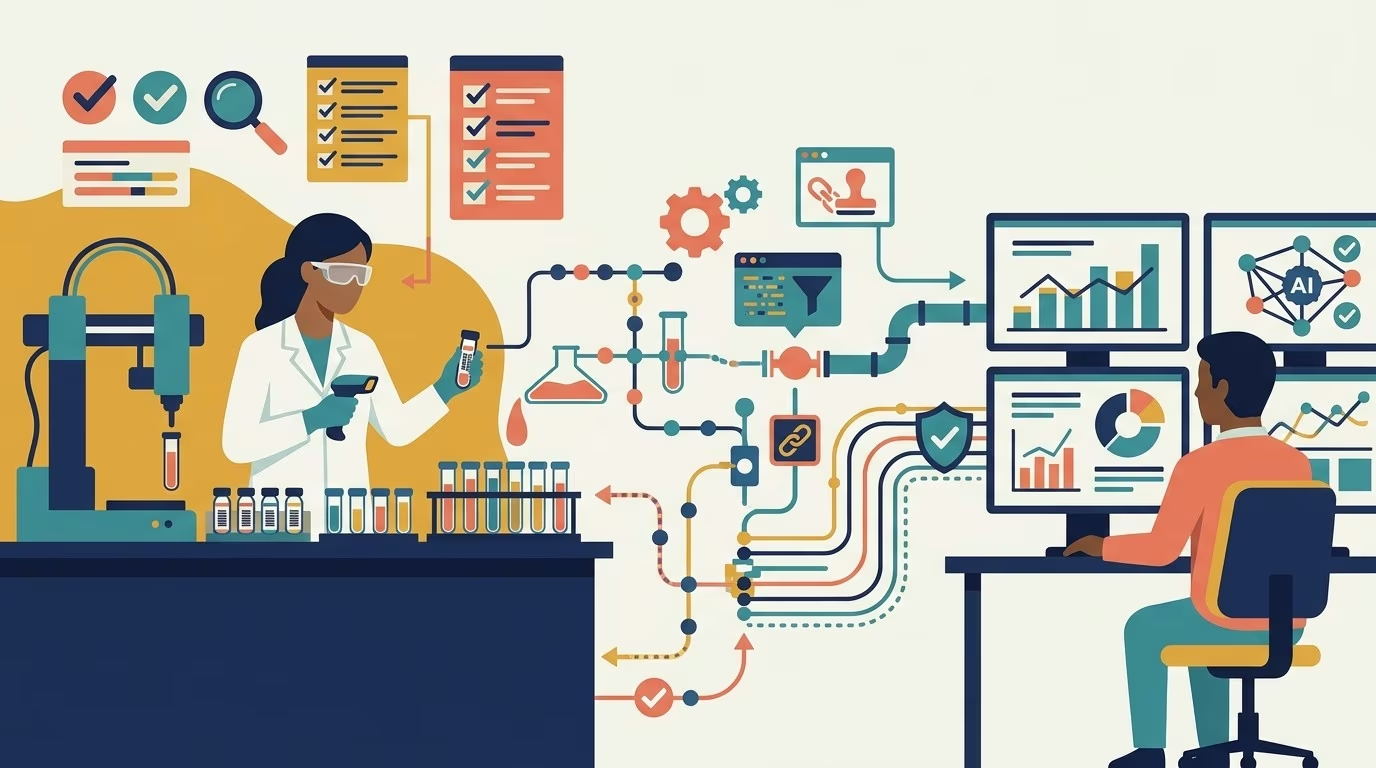
Flat editorial illustration: The article’s core relationship is a transfer of discipline from regulated laboratories to analytics
What Business Intelligence Teams Can Learn from Lab Data Governance
Business Intelligence Exclusive
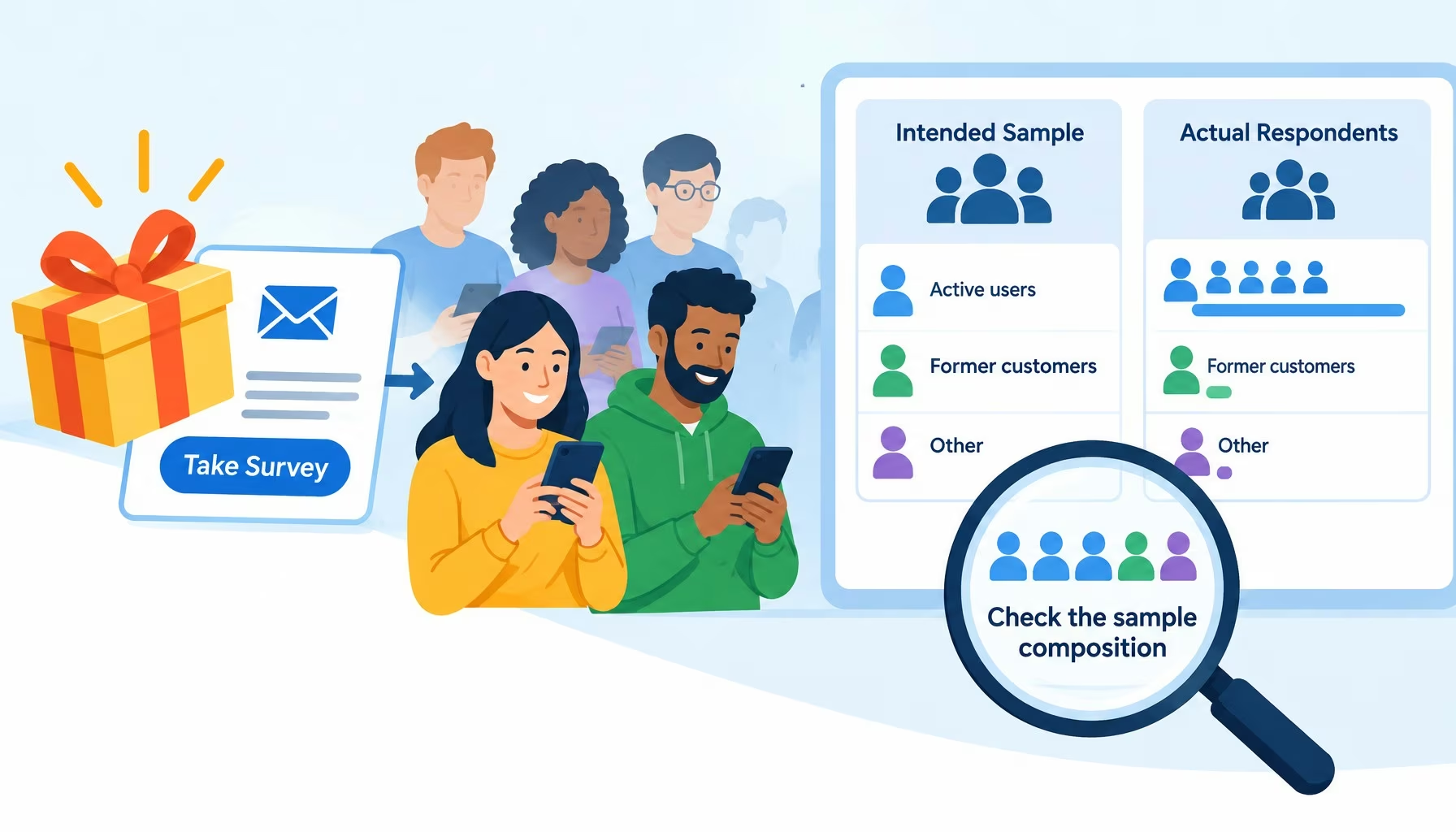
Flat editorial illustration: A guaranteed reward can raise participation while skewing the respondent pool toward active customer
Incentive-Driven Response Bias: Auditing Sample Composition Before You Trust Survey Data
Big Data Data Quality Exclusive
Flat editorial illustration: The article’s core relationship is observable blockchain activity becoming a trustworthy business me
Blockchain Dashboards Need Better Definitions, Not More Charts
Blockchain Exclusive
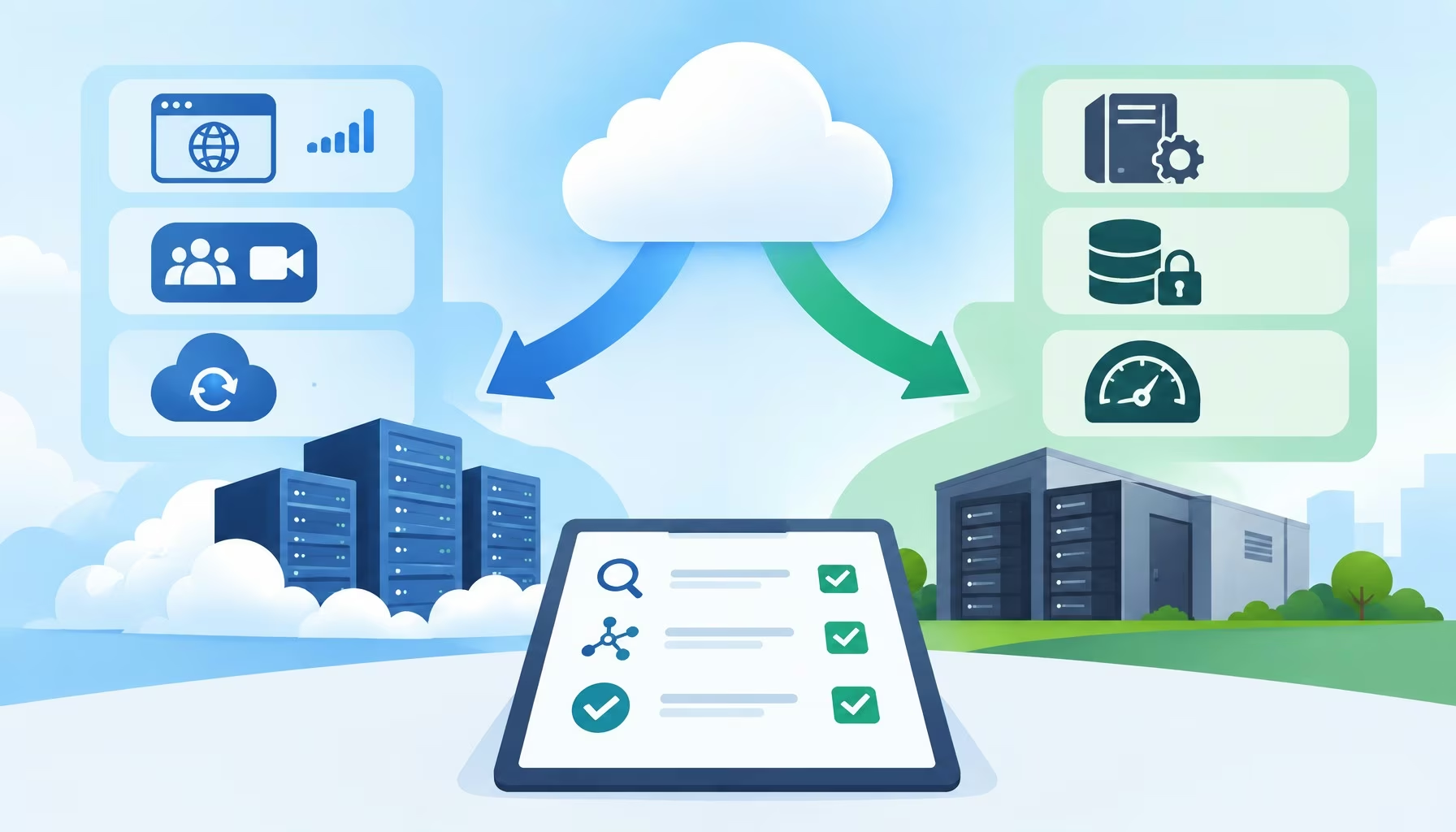
Flat editorial illustration: The article's core relationship is workload-by-workload decision-making for cloud migration, where s
Which Workloads Should Move to the Cloud?
Cloud Computing Exclusive IT

Stay Connected

1.2KFollowersLike
33.7KFollowersFollow
222FollowersPin

You Might also Like

Are Phablets Finally Here?
Uncategorized

Are Phablets Finally Here?

6 Min Read
How to Convince Your Executive Team to Update Your Technology
Uncategorized

How to Convince Your Executive Team to Update Your Technology

4 Min Read
5 Reasons To Be Optimistic About Technology Innovation In The Year Ahead
Commentary

5 Reasons To Be Optimistic About Technology Innovation In The Year Ahead

5 Min Read
Is Nepotism Undermining Your Business Technology Innovation?
Uncategorized

Is Nepotism Undermining Your Business Technology Innovation?

6 Min Read

SmartData Collective is one of the largest & trusted community covering technical content about Big Data, BI, Cloud, Analytics, Artificial Intelligence, IoT & more.

From Bolts to Bots: How AI Is Fortifying the Automotive Industry
Artificial Intelligence
Chatbots and SEO: How Can Chatbots Improve Your SEO Ranking?
Artificial Intelligence Chatbots Exclusive

Quick Link

  • About
  • Contact
  • Privacy
Follow US
© 2008-26 SmartData Collective. All Rights Reserved.
Welcome Back!

Sign in to your account

Username or Email Address
Password

Lost your password?