
We use cookies, including third-party cookies from Google to serve personalized ads through AdSense, to operate this site and understand how it is used. By continuing to browse, you accept this use. See our Privacy Policy and Terms of Use for details, including how to opt out of personalized advertising.
Accept
SmartData CollectiveSmartData Collective
  • Analytics
    AnalyticsShow More
    What Kind of Problem-Solving Distinguishes Data Analysts From Software Engineers -- AI-generated illustration
    What Kind of Problem-Solving Distinguishes Data Analysts From Software Engineers
    7 Min Read
    chatgpt image jul 21, 2026, 04 34 30 pm
    4 Core Benefits of Predictive Maintenance after Vibration Analysis
    10 Min Read
    How Does Data Mining Boost Customer Satisfaction in Logistics? Harnessing Analytics for Results -- AI-generated illustration
    How Does Data Mining Boost Customer Satisfaction in Logistics? Harnessing Analytics for Results
    11 Min Read
    chatgpt image jul 13, 2026, 04 23 45 pm
    How Data Analytics Helps Companies Improve User Engagement
    19 Min Read
    chatgpt image jul 13, 2026, 03 59 46 pm
    How Data Analytics Improves Multi-Location Search Strategies
    10 Min Read
  • Big Data
  • BI
  • Exclusive
  • IT
  • Marketing
  • Software
Search
© 2008-25 SmartData Collective. All Rights Reserved.
Reading: The Parable of the Turkey
Share
Notification
Font ResizerAa
SmartData CollectiveSmartData Collective
Font ResizerAa
Search
  • About
  • Help
  • Privacy
Follow US
© 2008-23 SmartData Collective. All Rights Reserved.
SmartData Collective > Big Data > Data Warehousing > The Parable of the Turkey
Business IntelligenceData Warehousing

The Parable of the Turkey

paulbarsch
paulbarsch
5 Min Read
The Parable of the Turkey
Illustration generated with FLUX.2 [klein 4B] via Cloudflare Workers AI.
SHARE

Global business executives, are you prepared for an uncertain future? If not, consider the parable of the turkey for guidance.

Will tomorrow be like today? In planning assumptions for budgeting and forecasting, most executives believe that events of tomorrow, next week and next year will be much like this year, or years past with just slight deviation. However a review of the global and economic landscape (in a wild 2008) shows that this is a dangerous assumption. It’s time we consider the life of a turkey.

It’s that wonderful time of the year where leaves turn bright amber, apples hang from trees, tempting smells waft from the kitchen and families across the United States gather for the Thanksgiving holiday. To be sure, of all holiday staples for Thanksgiving, most in-home chefs won’t forget the turkey.

However, this particular Thanksgiving, I’d like to bring up the parable of the turkey as told by NassimNicholas Taleb as a constant reminder that all business executives should always plan for the unexpected – no matter how remote the possibility.
More Read

What Every CEO Needs to Know About IT
Protecting Brand Reputation During Digital Expansion
Are Your Systems Just Interfaces to a Data Structure?
Why BI-COE: Struggling to justify ROI?
The Chopping Block: Three Questions to Ask When Considering Cutting Features from an IT Project

As detailed in “The Black Swan”, Taleb asks us to consider the life of a turkey. You see, the lifecycle of most turkeys is well known to the outside observer. A turkey is born, and then fed generously everyday. For 1,000days straight the turkey expects its morning shovel of grain, grass, acorns orshoots.

A monumental event happens to that turkey on day1001—and we all know what that event is. Until that point of course, everything is considered “normal” by the turkey. In fact most days deviate only slightly from the norm, with maybe a few minor exceptions.

Getting back to day 1001, Taleb points out, “A turkey cannot figure out what is in store for it tomorrow based on the events of today.” And Taleb notes that this is one of the key challenges with assuming tomorrow or even next year will be much like today.

Author Peter L.Bernstein often asks,“What is ‘normal’ anyway?” Good question.

Quantitative financial analysts, attempting to model the stock market, took heavy losses in 2008 as they assumed the past would bea relevant predictor of the future. Automobile manufacturers forecasted that demand would be similar to last year (maybe a bit less), and now many are frantically leasing space outside of key US ports to store unsold cars. This year has seen the DOW index range between 13,000 and 8,000. And Mr. Greenspan, former Federal Reserve Chairman, said in testimony to the United States Congress in October 2008, “This crisis… has turned out to be much broader than anything I could have imagined.”

What’s a business executive to do?

Don’t throw out the models—just yet. I have previouslymentioned that modeling can be a very valuable tool for companies assessing future scenarios, determining cause and effect, and allocating scarce resources. But use caution; models are support tools that should be combined with good judgment, experience, and the input of others to effectively drive decisions.

Another avenue is to pay attention to outliers via analysis. Alberto Roldan, mentions in a post that, “(Outlier analysis) uses concepts like average, standard deviation, and Z-scores to determine whether adetermined data point is abnormal in the same classification or category.”Examine the outliers in your market. Are they occurring more frequently than your models predict? 
Link to Original
Share This Article
Facebook Pinterest LinkedIn
Share

Follow us on Facebook

Latest News

Flat editorial illustration: The article is about replacing informal co-located management with deliberate asynchronous workflows
Managing a Software Development Dedicated Team Across Time Zones
Development Exclusive Software
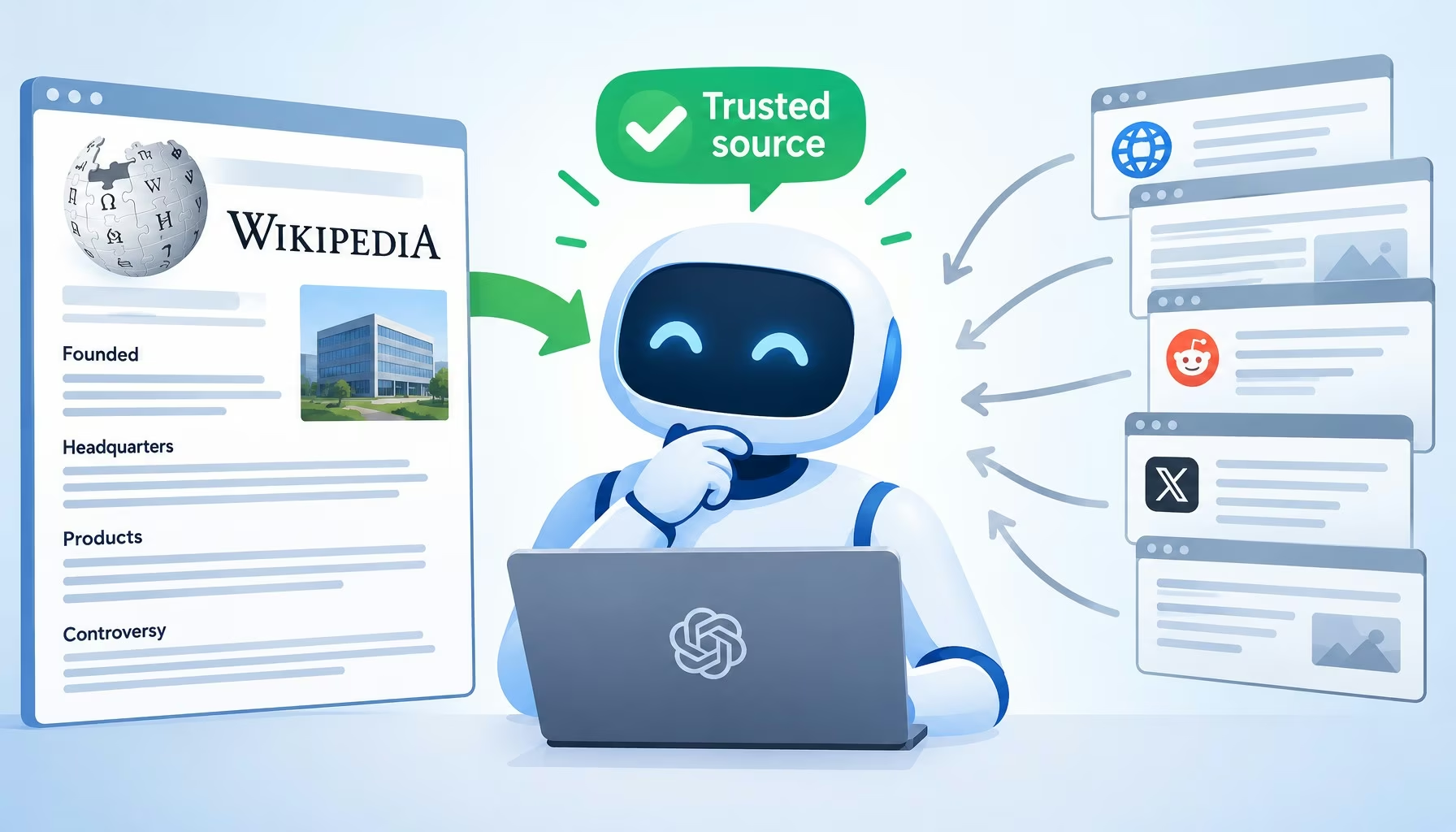
Technical architecture diagram and decision framework for wikipedia editing services and ai training data: why llms still treat wikipedia as a source of truth
Wikipedia Editing Services and AI Training Data: Why LLMs Still Treat Wikipedia as a Source of Truth
Artificial Intelligence Exclusive
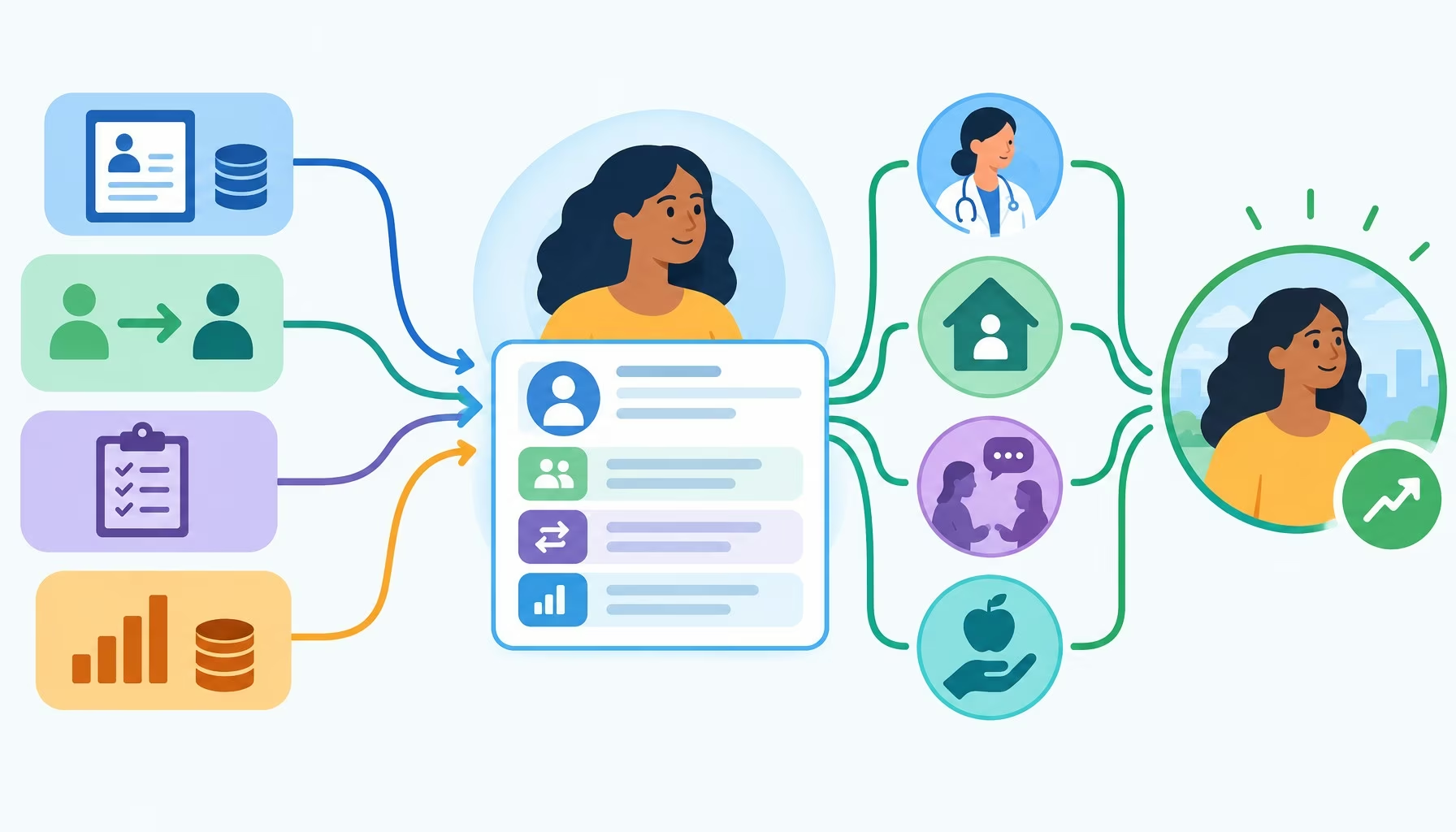
Flat editorial illustration: The article connects fragmented social-service records through shared pathways and selective informa
Turning Disconnected Information Data Into Better Social Service Outcomes
Big Data
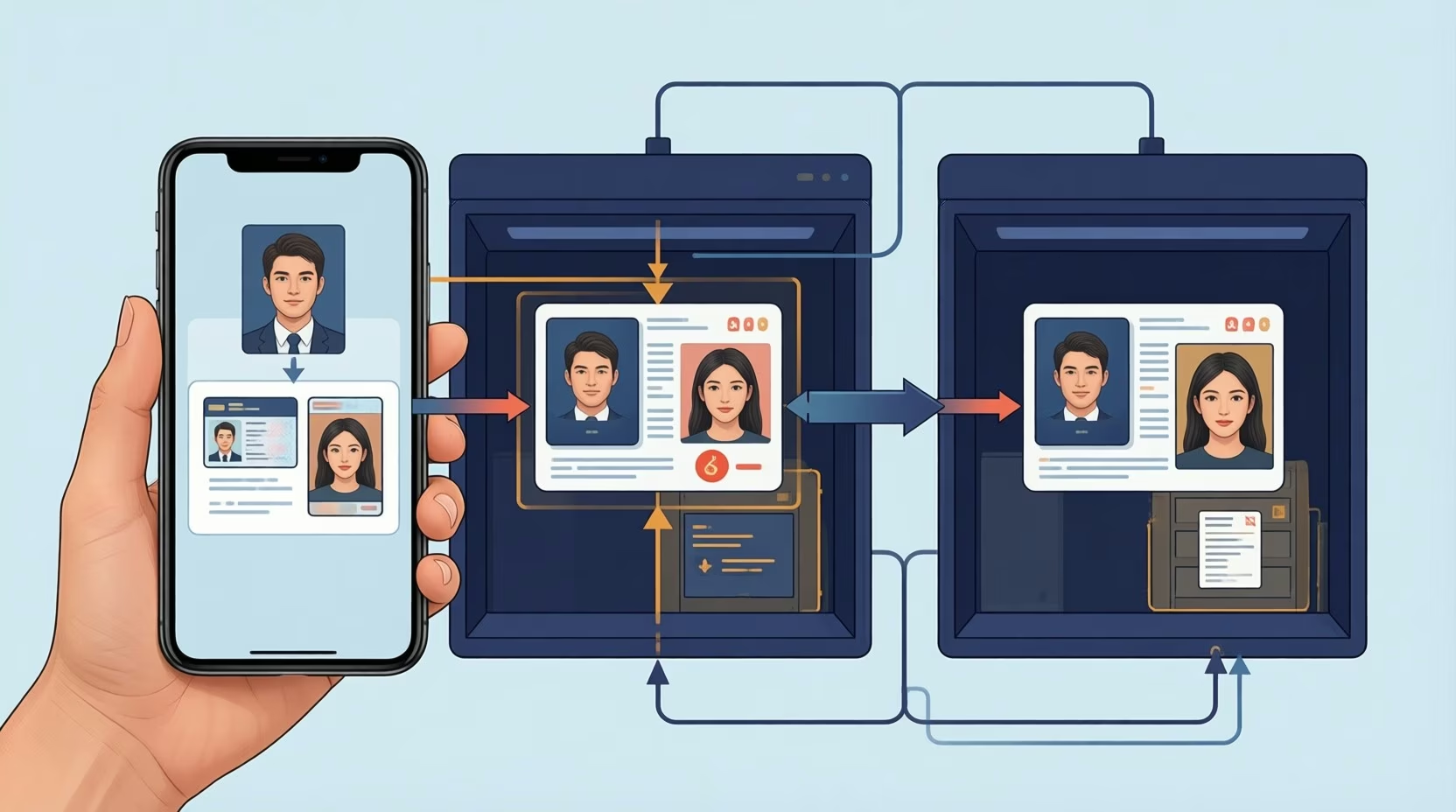
Flat editorial illustration: The article explains how one KYC upload becomes separate records held by a verification vendor and a
What Happens to My KYC Data Behind the Approval Screen?
Big Data Exclusive

Stay Connected

1.2KFollowersLike
33.7KFollowersFollow
222FollowersPin

You Might also Like

The Data Analytics of St. Patrick’s Day
Business IntelligenceData MiningStatistics

The Data Analytics of St. Patrick’s Day

0 Min Read
Are You Enchanting? A Book Review
Market ResearchMarketingSocial Data

Are You Enchanting? A Book Review

3 Min Read
The Goldman Sachs SaaS scorecard
Business IntelligenceData MiningData WarehousingPredictive Analytics

The Goldman Sachs SaaS scorecard

6 Min Read
Data Visualization's Final Frontier
AnalyticsCulture/LeadershipData MiningData VisualizationExclusiveKnowledge ManagementModelingOpen SourceStatistics

Data Visualization’s Final Frontier

18 Min Read

SmartData Collective is one of the largest & trusted community covering technical content about Big Data, BI, Cloud, Analytics, Artificial Intelligence, IoT & more.

AI chatbots
AI Chatbots Can Help Retailers Convert Live Broadcast Viewers into Sales!
Chatbots
5 Great Tips for Using Data Analytics for Website UX
Big Data

Quick Link

  • About
  • Contact
  • Privacy
Follow US
© 2008-26 SmartData Collective. All Rights Reserved.
Welcome Back!

Sign in to your account

Username or Email Address
Password

Lost your password?