Doctors are highly educated and (usually) very good at certain things – examining and talking to patients, and using the data they extract to diagnose and treat illness. What they are not necessarily so good at, is what they do with that data afterwards. But increasingly, innovations in health care involving big data are producing solutions which are helping physicians to diagnose more accurately and treat more effectively. If you’re older than about 35, you might remember the first time you saw a computer in a doctor’s surgery. Now they are commonplace, and it is not unusual to see your physician accessing information to help with diagnosing and prescribing medicine, during a consultation. Electronic Health Records have been around for a while – various systems of differing reliability , designed to make patient data more readily accessible, as well as transferable between the different healthcare professionals or institutions which may be involved in a patient’s care. But with the big data revolution, innovators are coming up with increasingly sophisticated methods of incorporating that information with data from hundreds of other health-related sources. The aim is to make the most relevant and up-to-date information available to doctors, in real-time as they consult with their patients. Now companies such as Apixio and Allscripts provide systems which not only give the doctor a complete overview of a patient’s medical history, but provide data which can be used on a larger scale – for example to highlight correlations between different medical conditions which may not have been noticed before, and give insights into how these may be affected by other factors, such as the methods used to treat the conditions, or the part of the world in which they occur. In turn, this aggregated data can be reapplied to the individual patient – meaning their treatment will be backed by statistical insights gleaned from worldwide health surveys, data on the general population and the latest news from recently published medical papers and journals. This will also help hospitals and front-line healthcare providers prepare for increasing demand on their services due to epidemics and seasonal outbreaks. Overall, this trend is in-line with a general movement which has been taking place in healthcare over the last 20 years, away from “treating the sick” towards “keeping the population healthy”. In time, this will lead to far more emphasis on preventative care – doctors will be able to predict which of their patients are most likely to develop serious (and expensive to treat) health issues such as diabetes and heart disease at a far earlier stage in their life, and work with them towards minimizing risks. As well as front-line services, the pharmaceutical industry is embracing big data in a big way, hoping that by vastly increasing the volume of data shared from clinical trials, the process of developing and distributing new drugs will become more efficient. As always there are dangers – will the role of the doctor become less relevant – reduced to ticking boxes before a computer does the real work of diagnosing the illness and prescribing the remedy? And with the sort of predictive treatment I mentioned above, is there a risk that it may lead to treatment being refused or withdrawn if a patient does not comply with the prescribed preventative measures (i.e eating more healthily and taking more exercise, to reduce the risk of heart disease). When you take into account the upcoming boom in “wearables” which can measure activity levels (and, theoretically at this point, but in the future who know?) report them directly to your doctor (or medical insurer). These are probably questions that society will have to answer in the future. But in the meantime, we can be hopeful that the enthusiasm the medical and pharmaceutical industries are showing towards moving into more data-driven practices will lead to better treatment, at lower cost. What do you think? Would you rather trust a doctor or a computer to diagnose and treat you? Let me know in the comments section below.
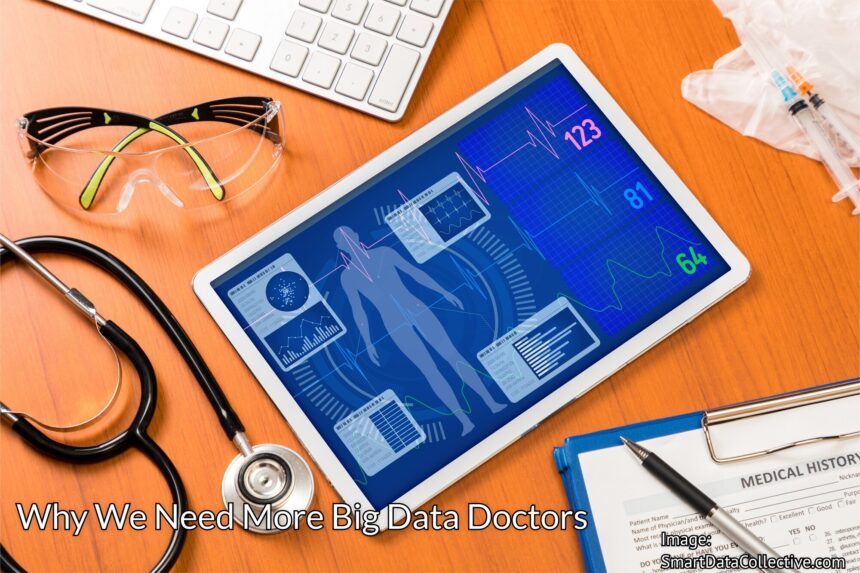
Why We Need More Big Data Doctors


Bernard Marr is a best-selling author, keynote speaker, strategic performance consultant and analytics, KPI and Big Data guru.