
We use cookies, including third-party cookies from Google to serve personalized ads through AdSense, to operate this site and understand how it is used. By continuing to browse, you accept this use. See our Privacy Policy and Terms of Use for details, including how to opt out of personalized advertising.
Accept
SmartData CollectiveSmartData Collective
  • Analytics
    AnalyticsShow More: Analytics
    Cut-paper editorial diagram of public web pages flowing through a terracotta volume meter into a BI budget panel.
    The Line Item Behind Public Web Data in BI: Proxy Bandwidth
    12 Min Read
    Flat editorial illustration: The article is about joining public web signals with internal business metrics so BI teams can inter
    Alternative Data in BI: Bringing Public Web Data Into Your Dashboards
    23 Min Read
    Flat editorial illustration: The article is about automating the collection, preparation, and delivery of marketing data across p
    From Data to Dashboards: 5 Marketing Reporting Automation Software Picks
    12 Min Read
    Flat editorial illustration: The article contrasts passive follower totals with a behavioral path from attention and trust to cli
    Creator Analytics Beyond Follower Count: Seven Metrics That Measure Audience Behavior
    11 Min Read
    Flat editorial illustration: The article connects AI and marketing analytics with managerial judgment grounded in consumer behavi
    How an Online MBA in Marketing Connects AI and Data Analytics
    11 Min Read
  • Big Data
  • BI
  • Exclusive
  • IT
  • Marketing
  • Software
Search
© 2008-25 SmartData Collective. All Rights Reserved.
Reading: C and C++ Are Surprisingly Useful for Data Science Applications
Share
Notification
Font ResizerAa
SmartData CollectiveSmartData Collective
Font ResizerAa
Search
  • About
  • Help
  • Privacy
Follow US
© 2008-23 SmartData Collective. All Rights Reserved.
SmartData Collective > Big Data > Data Science > C and C++ Are Surprisingly Useful for Data Science Applications
Big DataData Science

C and C++ Are Surprisingly Useful for Data Science Applications

C and C++ are two older programming languages that can be surprisingly useful for data science.

Sean Parker
Sean Parker
5 Min Read
C and C++ Are Surprisingly Useful for Data Science Applications
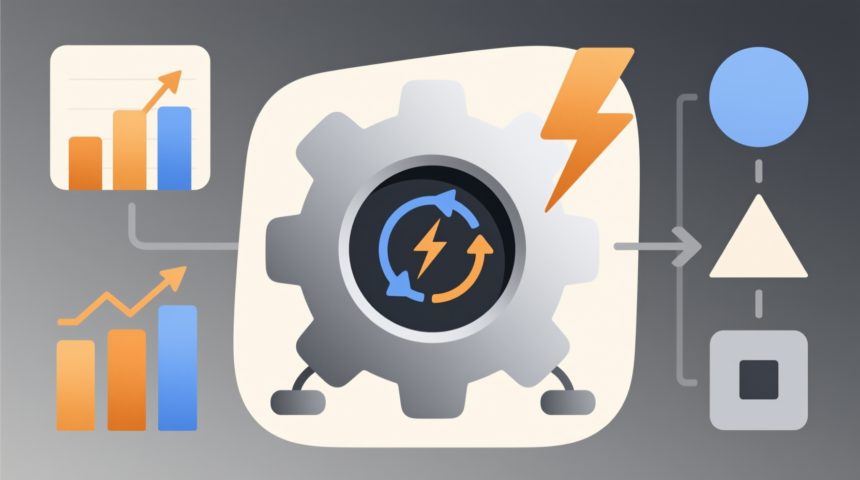
Illustration generated with Qwen Image.
SHARE

We recently heard from a number of C and C++ experts talk about its merits with data science. Cristiano L. Fontana of OpenSource.com talked about some of these benefits in a recent article. Here is an excerpt from this post:

Contents
  • Why is C++ useful for data science applications?
    • C++ has very rapid processing capabilities
    • Developing data science libraries for other languages
    • Easy to modify code for other languages
      • Data scientists should consider working with C and C++

“While languages like Python and R are increasingly popular for data science, C and C++ can be a strong choice for efficient and effective data science. It is the language I use the most for number crunching, mostly because of its performance. I find it rather tedious to use, as it needs a lot of boilerplate code, but it is well supported in various environments. The C99 standard is a recent revision that adds some nifty features and is well supported by compilers.”

The number of big data applications on the market has grown exponentially over the last few years. However, the growth of these new applications fails to keep up with new demand. This has increased interest in c++ websocket server options.

As more organizations expressed the need for big data applications, developers are exploring new programming languages that could address their needs. Some programming languages have been particularly popular for data science, but this is something that is starting to change.

More Read

How Retail Shifted from Business Intelligence to Data Science
How The Online Gaming Industry Uses Big Data Analytics To Grow
Big Data in Big Oil: The Amazing Ways Shell Uses Analytics to Drive Business Success
Variety Is the Spice of Data Science
T-Mobile Mines Big Data and Continues to Progress

Python has historically been the preferred programming language for data scientists. One poll found that 66% of data scientists used Python to create their applications. R had been a more popular programming language for data science earlier, but Python quickly became more appealing for various reasons.

However, developers have started to recognize that other languages, such as C++ and even traditional C have numerous opportunities for data science development. In some ways, C++ is the best programming language for big data projects.

Why is C++ useful for data science applications?

Data scientists are considering many different types of programming languages as they start exploring new avenues for big data development. There are a few reasons that C++ is becoming more appealing for data scientists. Some of these benefits are described below.

C++ has very rapid processing capabilities

When it comes to developing big data applications, the speed of the compiler is one of the most important features. Therefore, it is rather strange that C++ has been overlooked as an excellent data science programming language.

C++ is actually the only programming language that is able to compile over a gigabyte of data in less than a second. Since you can compile large data sets with C++ a lot more quickly, it is an excellent language for large, data driven projects.

Developing data science libraries for other languages

Many people outside the computer science profession think that programming languages are a lot more fragmented than they actually are. It is often believed that there is no inter-connection between various languages, which is not the case at all.

One of the biggest bridges between different programming languages is their libraries. C++ is a remarkably efficient programming language for developing new libraries, which can be used across other programming languages.

Since data science applications are very reliant on new programming libraries, C++ can play in important role in this aspect.

Easy to modify code for other languages

Most modern programming languages are based in C or C++. Therefore, the syntax is relatively similar across most platforms. There are usually a lot of commonalities between C++ and other object-oriented programming languages. Developers trying to replicate the code with another language, such as Python will need to make far fewer tweaks than they would if they used almost any other OOP language as a starting point.

Data scientists should consider working with C and C++

There are a lot of great reasons to consider using C and C++ for data science projects. This can be great for processing large data sets very quickly, which is going to be very useful. It can also be very useful for developing new libraries that will be used in other programming languages for major data science projects.

Some people still swear by using Python, R and other programming languages. However, they may change their minds as they become more intune with the countless benefits of this programming language for AI, machine learning and other data science projects.


TAGGED:C++Data Sciencedata science applications
Share This Article
Facebook Pinterest LinkedIn
Share
BySean Parker
Sean Parker is an entrepreneur and content marketer with over 5 years of experience in SEO, Creative Writing and Digital Marketing with Rank Media. He has worked with several clients from all over the globe to offer his services in various domains with a proven track record of success.

Follow us on Facebook

Latest News

Flat illustration of vermilion data packets following separate paths through charcoal relay nodes.
5 Residential Rotating Proxy Services for Web Scraping
Data Collection Exclusive Privacy
Cut-paper scene of split mobile and TV signal cards passing through a charcoal bridge and vermilion reconciliation gates.
Data Fragmentation and Measurement Gaps in Programmatic
Big Data Exclusive
Cut-paper editorial scene of labeled data cards passing through a charcoal inspection frame and vermilion quality gates.
How to Measure Data Annotation Quality Before Release
Big Data Exclusive
Cut-paper editorial diagram of service callback tickets moving through a terracotta sorter into rising scorecard bars.
Why Your Redo Jobs Hold the Best Data in Your Franchise
Big Data Data Collection Exclusive

Stay Connected

1.2KFollowersLike
33.7KFollowersFollow
222FollowersPin

You Might also Like

7 Misconceptions About Data Science
Data Science

7 Misconceptions About Data Science

7 Min Read
Completing Data Science Tasks in Seconds, Not Minutes
Data Science

Completing Data Science Tasks in Seconds, Not Minutes

6 Min Read
gamer laptops
Best PracticesReviews

Data-Driven Tips to Choose the Perfect Gamer Laptop

8 Min Read
Upskilling for Emerging Industries Affected by Data Science
Big Data

Upskilling for Emerging Industries Affected by Data Science

10 Min Read

SmartData Collective is one of the largest & trusted community covering technical content about Big Data, BI, Cloud, Analytics, Artificial Intelligence, IoT & more.

Artificial Intelligence for eCommerce: A Closer Look
Artificial Intelligence
From Bolts to Bots: How AI Is Fortifying the Automotive Industry
Artificial Intelligence

Quick Link

  • About
  • Contact
  • Privacy
Follow US
© 2008-26 SmartData Collective. All Rights Reserved.
Welcome Back!

Sign in to your account

Username or Email Address
Password

Lost your password?