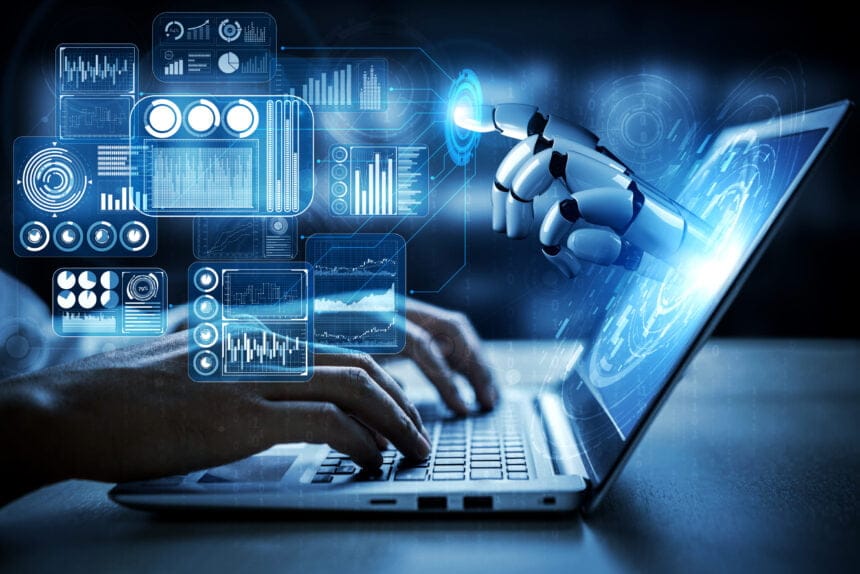
AI is a big deal for businesses in 2024. Around 77% of businesses are using AI and 40% plan to invest more heavily in it.
AI technology offers a number of benefits for small businesses. We have talked about ways that AI can help with marketing, human resources management and a variety of other factors.
One advantage of AI is that is can help businesses save on energy. While it is not one of the major reasons businesses are investing in AI, it is a compelling benefit.
From smart devices to data analytics, innovative solutions are emerging to help businesses optimize their energy consumption.
More Read

In this article, we will explore how technology can play a pivotal role in helping your business achieve energy efficiency and contribute to a greener bottom line.
1. Smart Building Automation Systems
One of the most impactful ways technology can assist businesses in saving energy is through the implementation of Smart Building Automation Systems (BAS). These systems utilize sensors, controls, and data analytics to optimize the operation of various building components and can be used around the home too to save energy, such as lighting, HVAC (heating, ventilation, and air conditioning), and security systems.
According to a report by Navigant Research, buildings equipped with smart technologies can experience energy savings ranging from 8% to 15%. These systems allow for real-time monitoring and adjustment of energy-consuming systems based on occupancy, weather conditions, and other variables.
For instance, lights can automatically dim or turn off in unoccupied spaces, and heating or cooling systems can adjust based on occupancy patterns, leading to significant energy savings over time.
2. Energy Management Software and Analytics
In an era where data is king, leveraging advanced analytics can provide invaluable insights into energy consumption patterns and identify areas for improvement. Energy management software allows businesses to track, analyze, and visualize their energy usage in real-time, facilitating informed decision-making.
Statista estimates that the global energy management systems market will reach $56.9 billion by 2025, underscoring the growing importance of such technologies. These systems can identify energy waste, forecast consumption trends, and recommend optimization strategies.
By employing data-driven insights, businesses can implement targeted energy-saving measures, leading to more efficient operations and reduced utility costs.
3. Intelligent Lighting Systems
Lighting constitutes a substantial portion of a business’s energy consumption, and advancements in intelligent lighting systems offer significant energy-saving potential. LED lighting, in particular, has become a staple in energy-efficient solutions. The U.S. Department of Energ found LED lighting uses at least 75% less energy and lasts 25 times longer than traditional incandescent lighting.
Moreover, the integration of smart lighting controls further enhances efficiency. Motion sensors, timers, and daylight harvesting features can automatically adjust lighting levels based on occupancy and natural light availability. This not only minimizes energy waste but also extends the lifespan of LED bulbs, reducing maintenance costs.
4. Remote Monitoring and Control Devices
Using remote monitoring and control devices, facility managers can oversee and manage energy-consuming assets from a centralized location. This is particularly valuable for businesses with multiple locations or those looking to optimize energy usage during non-operational hours.
For instance, smart thermostats can be remotely controlled to adjust heating or cooling settings based on real-time weather conditions or unexpected changes in occupancy. The ability to monitor and control energy usage remotely not only enhances operational efficiency but also allows for quick response to potential issues, minimizing energy wastage.
5. Renewable Energy Integration
While not a new concept, the integration of renewable energy sources has become more feasible and efficient with advancements in technology. Solar panels, wind turbines, and other clean energy solutions can be seamlessly integrated into a business’s energy infrastructure.
The cost of renewable energy technologies has significantly decreased, making them more accessible for businesses. By generating onsite renewable energy, companies can offset their reliance on traditional power sources, reduce energy costs, and contribute to a more sustainable energy landscape.
For every home, the use of heat pumps is gaining popularity over traditional gas boilers. Whilst 90% of homes use the latter, when you compare gas boilers, they are cheaper to install but heat pumps are significantly more cost-effective long-term and you get more energy out of them.
6. Energy-Efficient Appliances and Equipment
The ongoing evolution of technology has led to the development of energy-efficient appliances and equipment across various industries. From energy-star-rated office equipment to industrial machinery designed with sustainability in mind, businesses can now make informed choices when upgrading their equipment.
For example, modern HVAC systems come equipped with advanced sensors and controls that optimize performance based on specific requirements. These technologies not only reduce energy consumption but also enhance overall operational efficiency, translating into long-term cost savings.
Conclusion
In the pursuit of energy efficiency, businesses are increasingly turning to technology as a catalyst for positive change. As demonstrated above, there are diverse ways in which technology can contribute to energy savings.
As businesses continue to embrace these technological advancements, they not only position themselves as responsible stewards of the environment but also stand to benefit from significant cost savings and operational efficiencies.