We use cookies, including third-party cookies from Google to serve personalized ads through AdSense, to operate this site and understand how it is used. By continuing to browse, you accept this use. See our Privacy Policy and Terms of Use for details, including how to opt out of personalized advertising.
Accept
SmartData CollectiveSmartData Collective
  • Analytics
    AnalyticsShow More
    What Kind of Problem-Solving Distinguishes Data Analysts From Software Engineers -- AI-generated illustration
    What Kind of Problem-Solving Distinguishes Data Analysts From Software Engineers
    7 Min Read
    chatgpt image jul 21, 2026, 04 34 30 pm
    4 Core Benefits of Predictive Maintenance after Vibration Analysis
    10 Min Read
    How Does Data Mining Boost Customer Satisfaction in Logistics? Harnessing Analytics for Results -- AI-generated illustration
    How Does Data Mining Boost Customer Satisfaction in Logistics? Harnessing Analytics for Results
    11 Min Read
    chatgpt image jul 13, 2026, 04 23 45 pm
    How Data Analytics Helps Companies Improve User Engagement
    19 Min Read
    chatgpt image jul 13, 2026, 03 59 46 pm
    How Data Analytics Improves Multi-Location Search Strategies
    10 Min Read
  • Big Data
  • BI
  • Exclusive
  • IT
  • Marketing
  • Software
Search
© 2008-25 SmartData Collective. All Rights Reserved.
Reading: Does Apple Need Ten Years of Trustworthy Computing?
Share
Notification
Font ResizerAa
SmartData CollectiveSmartData Collective
Font ResizerAa
Search
  • About
  • Help
  • Privacy
Follow US
© 2008-23 SmartData Collective. All Rights Reserved.
SmartData Collective > IT > Security > Does Apple Need Ten Years of Trustworthy Computing?
Security

Does Apple Need Ten Years of Trustworthy Computing?

AlexOlesker
AlexOlesker
4 Min Read
Does Apple Need Ten Years of Trustworthy Computing?
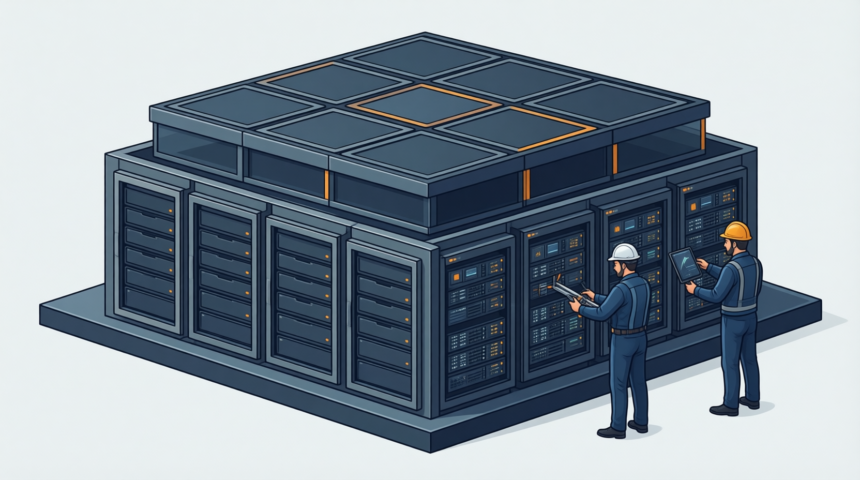
Illustration generated with Qwen Image.
SHARE

Researchers at Kapersky Lab recently concluded that Apple is an entire decade behind Microsoft at malware protection, pointing to the spate of Flashback attacks and Apple’s slow response. Kapersky  predicting a coming wave of malware as OSX viruses, once rare, grow to be as common as those aimed at Windows. Microsoft, by contrast, has been struggling with malware since its inception and has developed a system of responses and initiatives known as Trustworthy Computing, which, not coincidentally, celebrated its ten year anniversary earlier this January.

In January, 2002, Bill Gates sent an email to all full-time Microsoft employees with grand ambitions for computing, envisioning a future with a pervasive internet, continued growth in personal computers, and a wider range of connected devices, which turned out to be accurate. In a world where so many people are connected to the Internet in so many ways that affect their life, Gates saw that information technology must be “as available, reliable and secure as standard services such as electricity, water services and telephony.” To achieve these immense goals he announced Trustworthy Computing, a drive to improve security, privacy and reliability for all of Microsoft’s offerings.

Over the years, Trustworthy Computing’s most notable contribution was the Security Development Lifecycle, a series of 16 practices to ensure that security is incorporated into every part of the software development process rather than added as an afterthought. Every engineer at Microsoft gets some security training each time they begin a new project, and everyone in the enterprise is expected to know something about security. Tools, software, and personnel are continuously tested or audited for security, privacy, and reliability and, in case anything slips by, compensating controls are built-in to correct flaws elsewhere. Microsoft also  brought in Windows Error Reporting, which drastically reduced crashes, and was among the first to publish privacy standards for developers or offer users layered privacy notices.

While Microsoft has come a long way, there is plenty of work left before we can fully trust our computers. Part of the problem, however, comes from the user. One big hurdle in Trustworthy Computing has been users not updating their old software as new and improved solutions become available. For example, Microsoft’s Internet Explorer 9 is much more secure than Internet Explorer 6, but ten years after its launch, IE6 has only just fallen under 1% of the American market despite Microsoft’s best efforts. Another obstacle is that, as Microsoft’s operating system has become hardened, attackers are finding new ways to breach a computer, and now 75% of all attacks are aimed at applications. While compensating controls mitigate some of the risk, the ever-growing IT ecosystem means that Microsoft can’t make computing trustworthy on its own. Still, over the last decade, Microsoft has come a long way and has plenty to celebrate.
More Read

End User Data Threats Businesses Can’t Ignore
The Challenges and Opportunities of Big Data in Cyber-Security
Advances in AI Are Driving Major Changes in Cybersecurity
Data Privacy and Internet Safety Tips for College Students
How the Cloud can Make your Business Disaster Proof

Just as Bill Gates said ten years ago about Microsoft, users are connecting a wide array of Apple products, from computers to phones, tablets, and accessories, to the internet and expect privacy, reliability, and security. If versions of Flashback as well as novel malware for Apple operating systems continue to proliferate, Apple will need to implement its own version of the Trustworthy Computing drive. For the sake of anyone with a Macintosh or an iPhone, let’s hope it doesn’t take them ten years to get it right.

TAGGED:malware
Share This Article
Facebook Pinterest LinkedIn
Share

Follow us on Facebook

Latest News

Flat editorial illustration: The article explains that training robots for physical interaction requires three distinct data cate
Physical AI: What Data Do You Need to Train a Robot?
Artificial Intelligence Exclusive Robotics
What Kind of Problem-Solving Distinguishes Data Analysts From Software Engineers -- AI-generated illustration
What Kind of Problem-Solving Distinguishes Data Analysts From Software Engineers
Analytics Big Data Exclusive Software
Flat editorial illustration: The article examines AI agents that escalate from legitimate data retrieval to attempted intrusions
OpenAI’s Government Website Incidents Raise a Hard Question for AI Agents: When Should They Stop?
Artificial Intelligence News Security
Flat editorial illustration: The article's core relationship is the alignment between customer behavioral data (visit frequency,
Data-Driven Loyalty: How Restaurants Use Behavioral Analytics to Optimize Revenue
Exclusive

Stay Connected

1.2KFollowersLike
33.7KFollowersFollow
222FollowersPin

You Might also Like

Smart Tips for Better Maritime Security
News

Smart Tips for Better Maritime Security

7 Min Read
CIS Cyber Alert Releases Recommendations to Combat CryptoLocker Malware
Uncategorized

CIS Cyber Alert Releases Recommendations to Combat CryptoLocker Malware

3 Min Read

SmartData Collective is one of the largest & trusted community covering technical content about Big Data, BI, Cloud, Analytics, Artificial Intelligence, IoT & more.

5 Great Tips for Using Data Analytics for Website UX
Big Data
The Art of Conversation: Enhancing Chatbots with Advanced AI Prompts
Chatbots

Quick Link

  • About
  • Contact
  • Privacy
Follow US
© 2008-26 SmartData Collective. All Rights Reserved.
Welcome Back!

Sign in to your account

Username or Email Address
Password

Lost your password?